
 English
 русский
 Español
Home / News / Company News / Moving Beyond Mixed Materials: A Mono-Material Solution for MAP Lidding Film
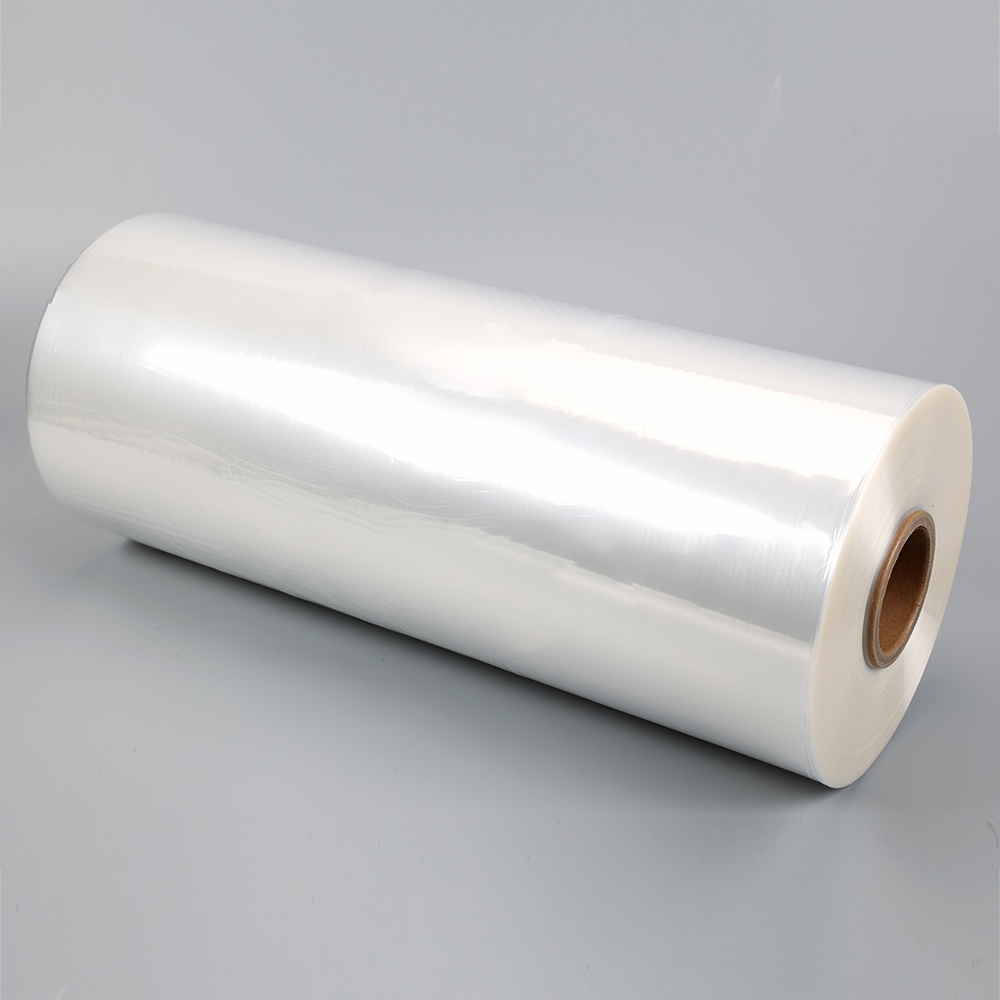
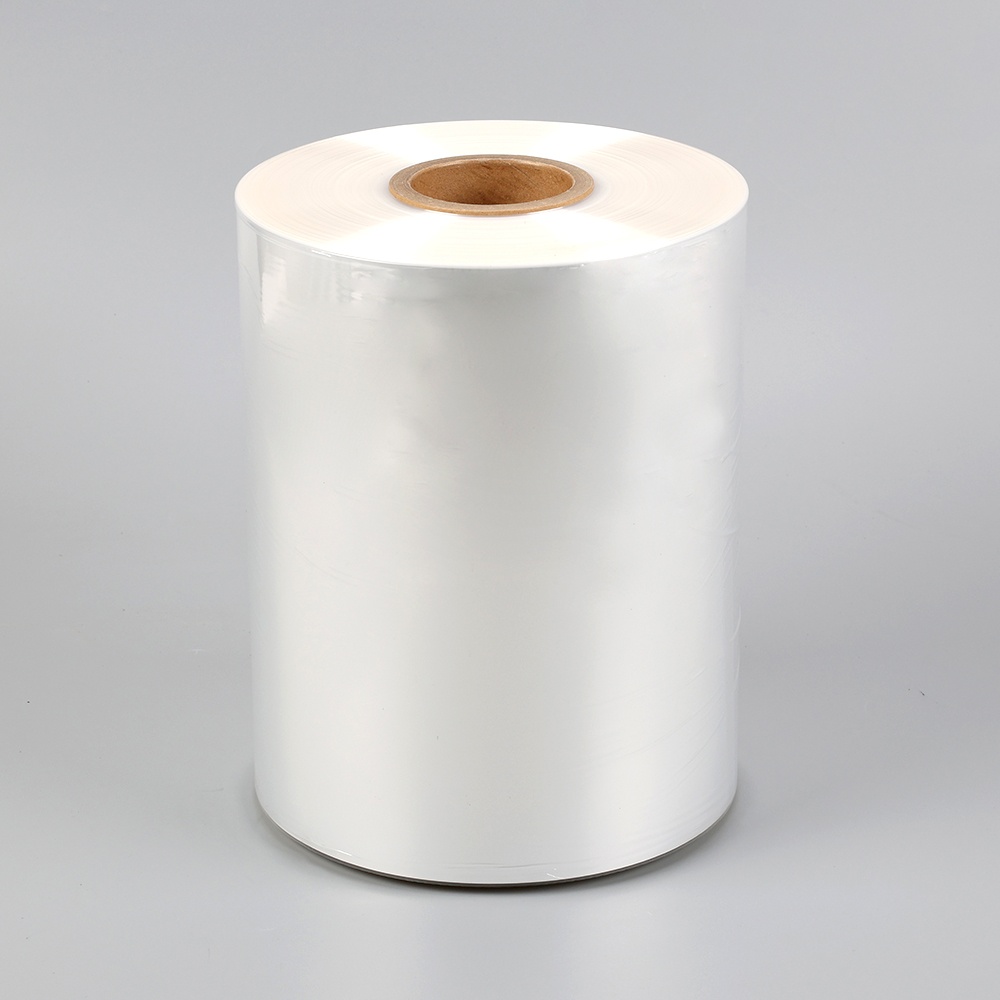
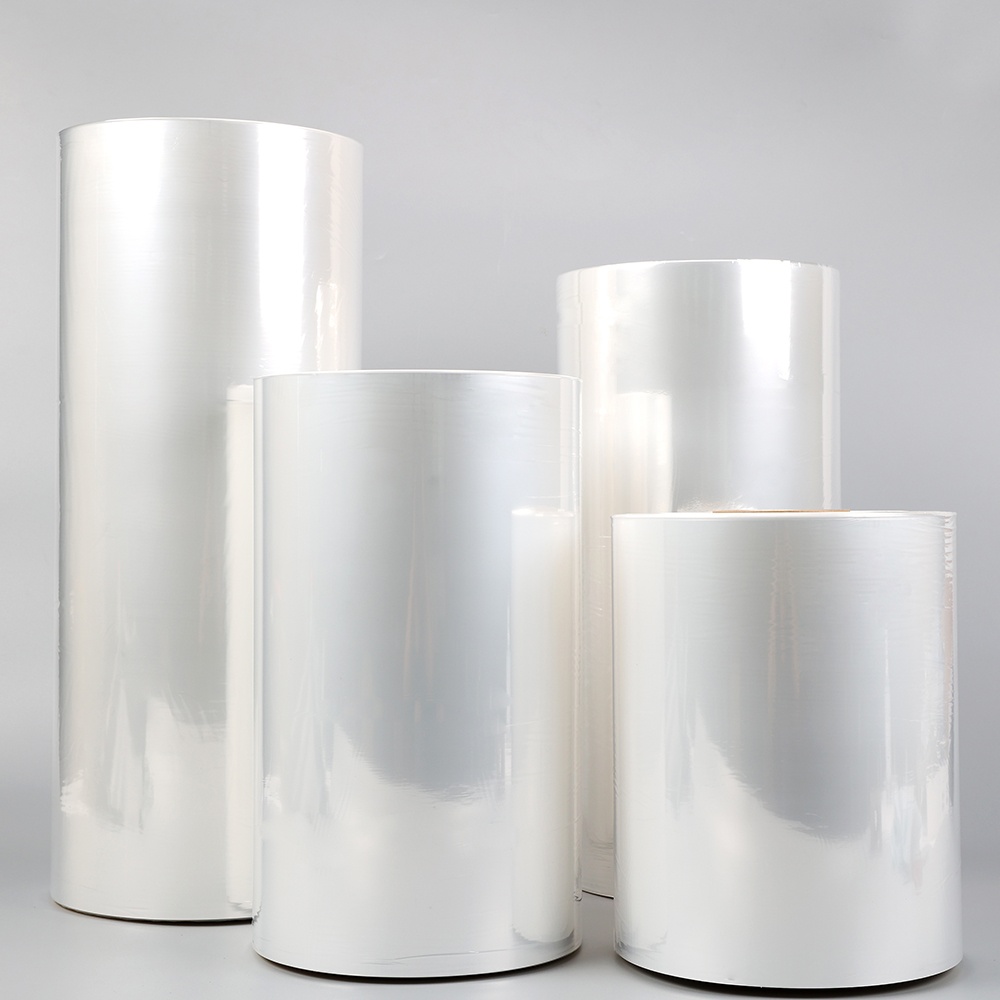
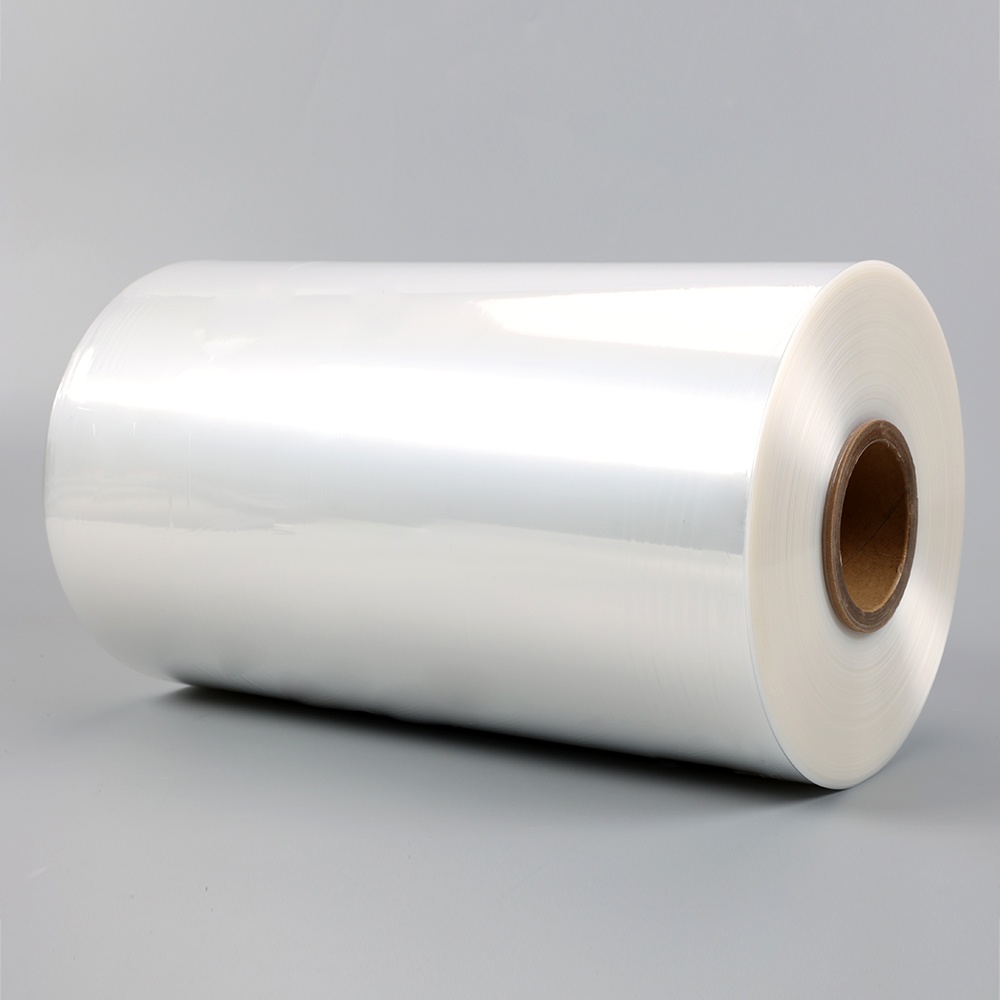
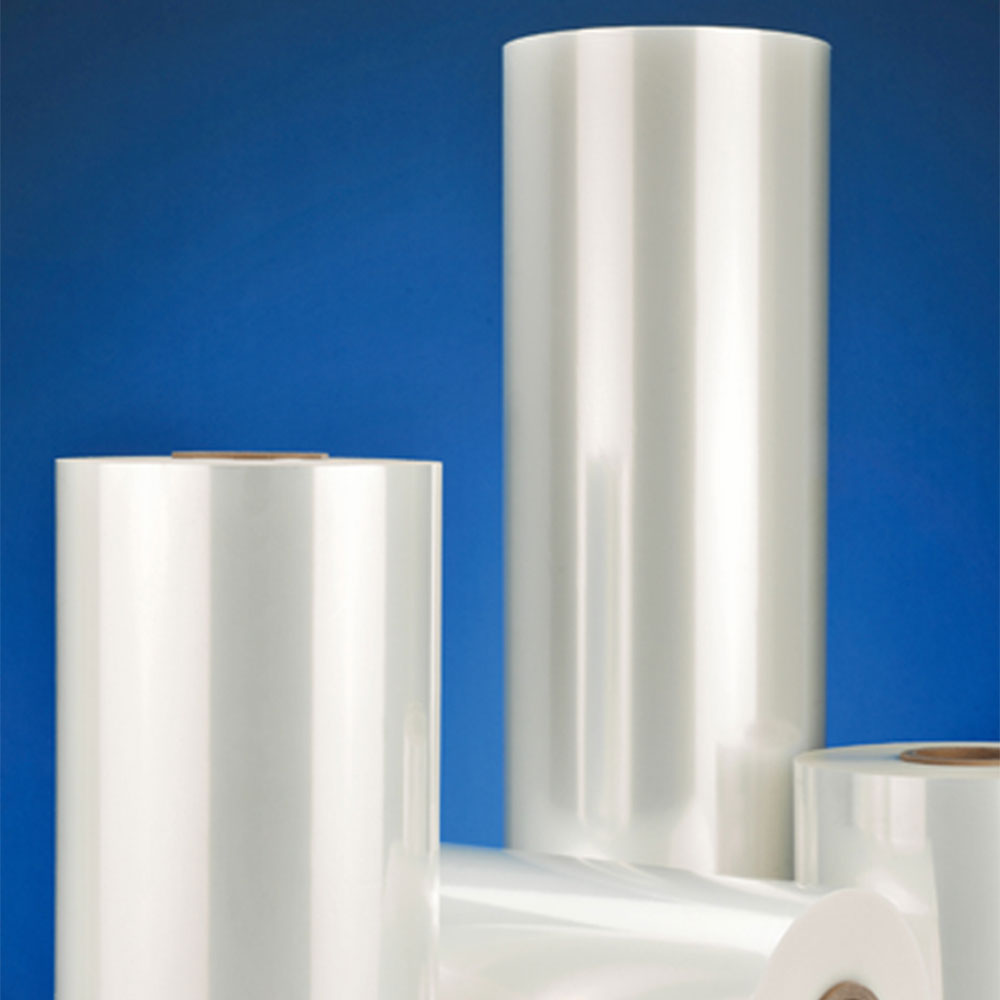
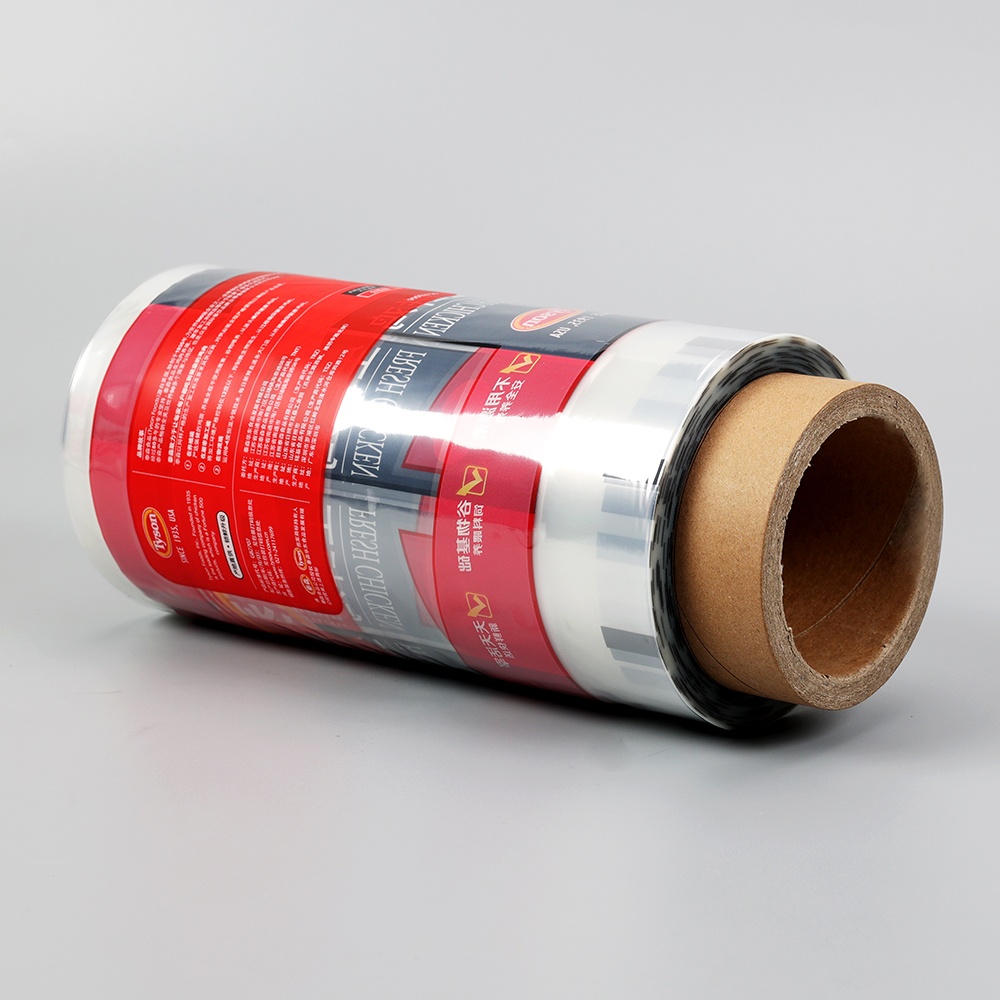
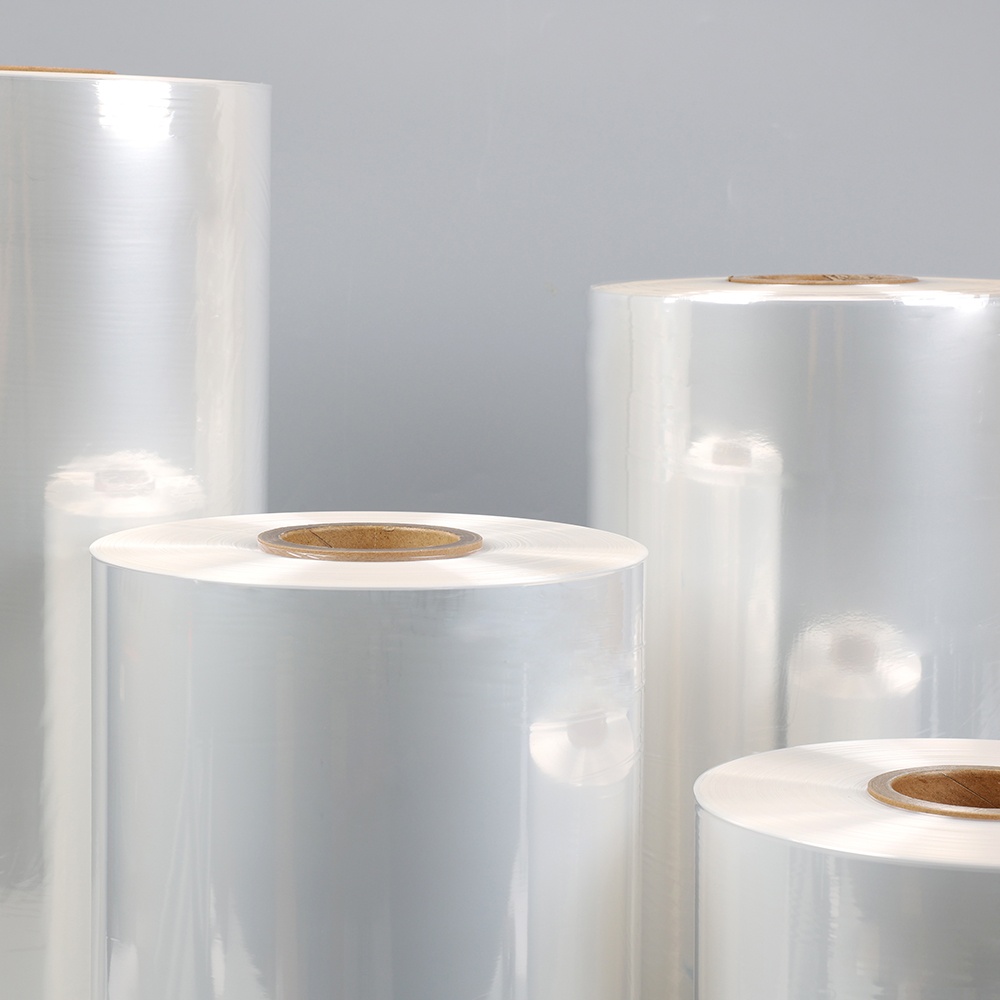
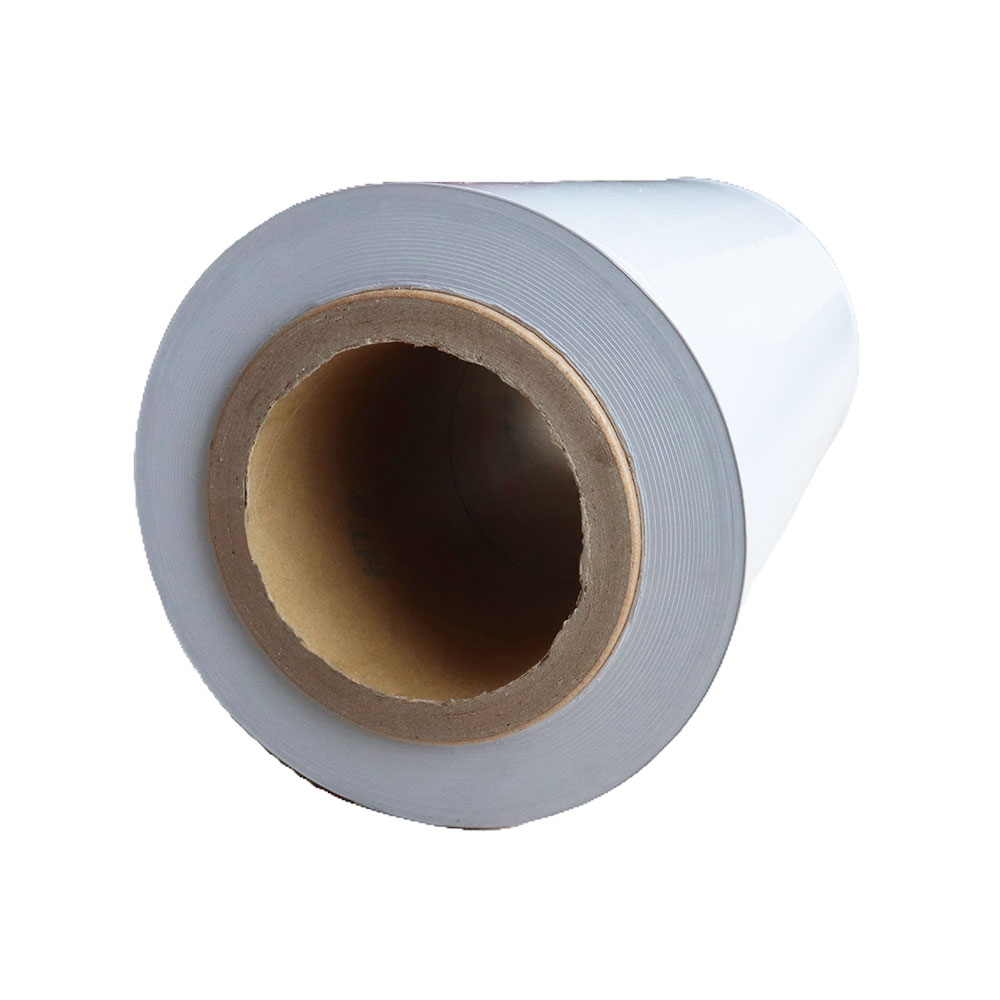
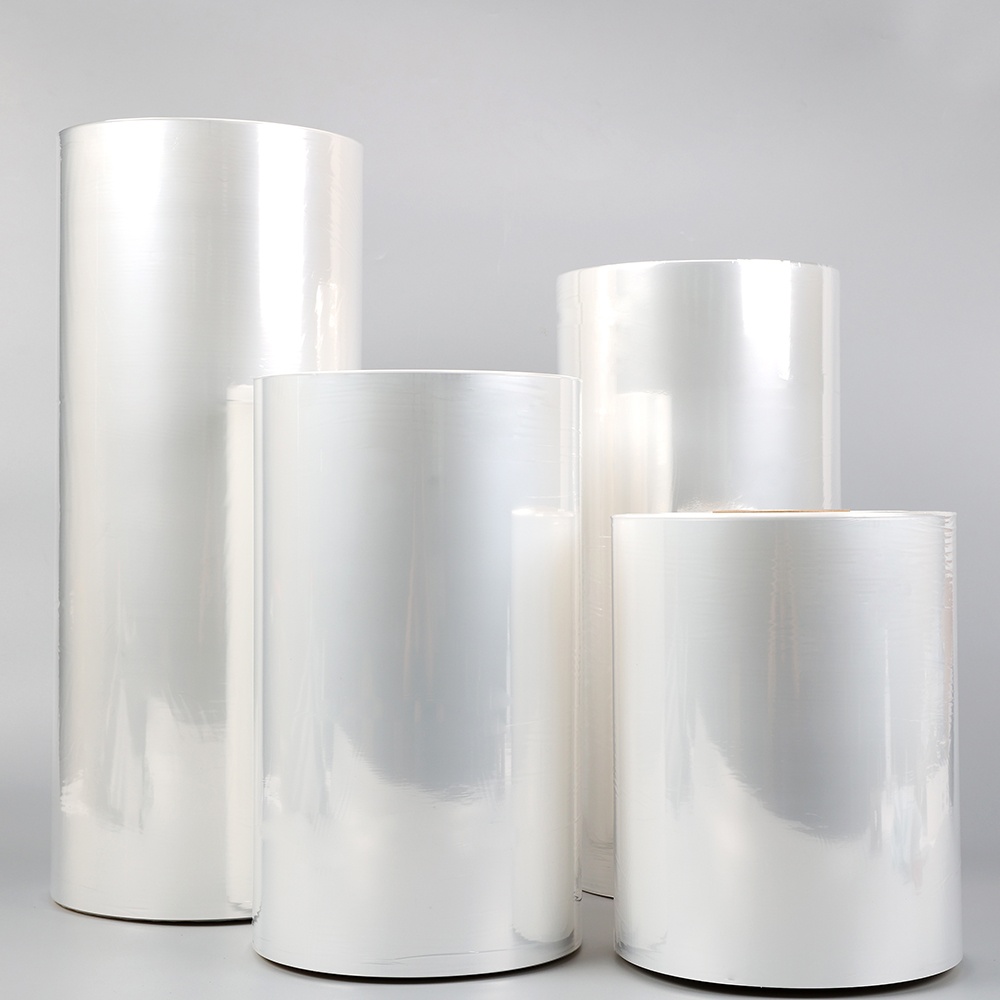
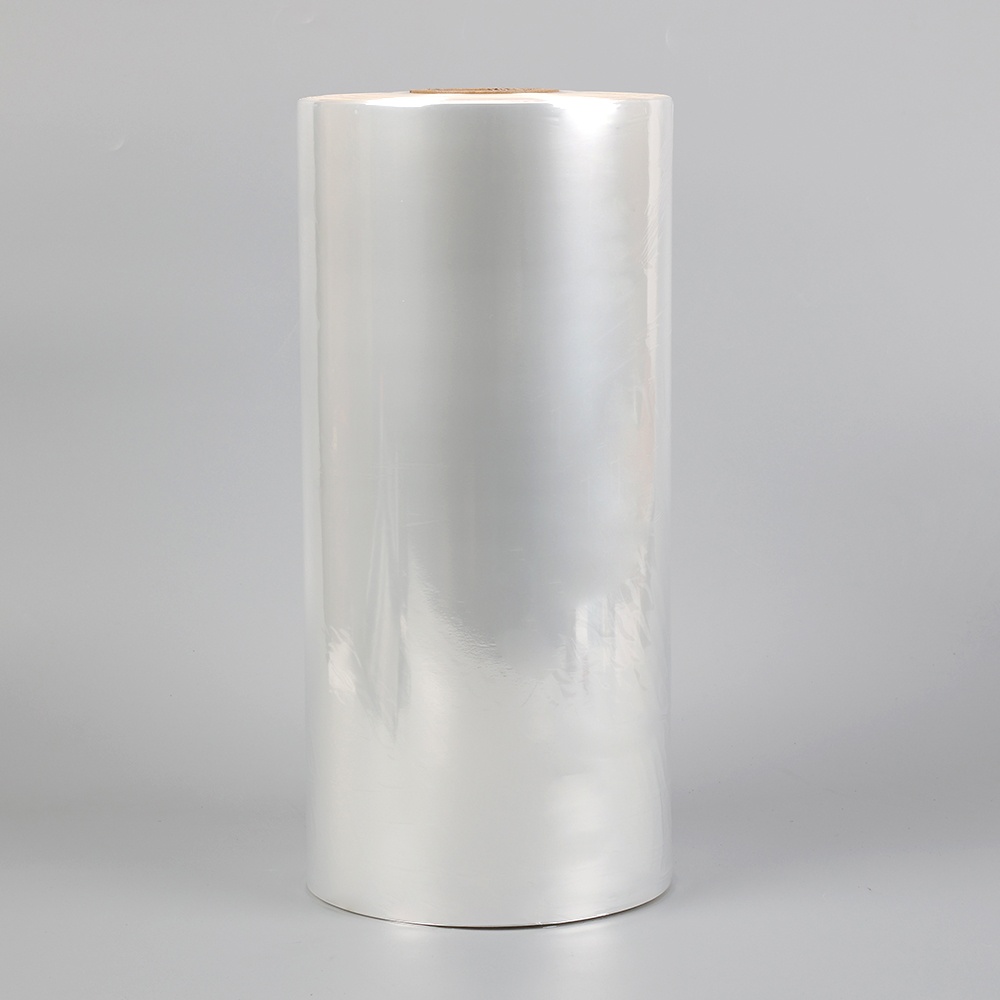
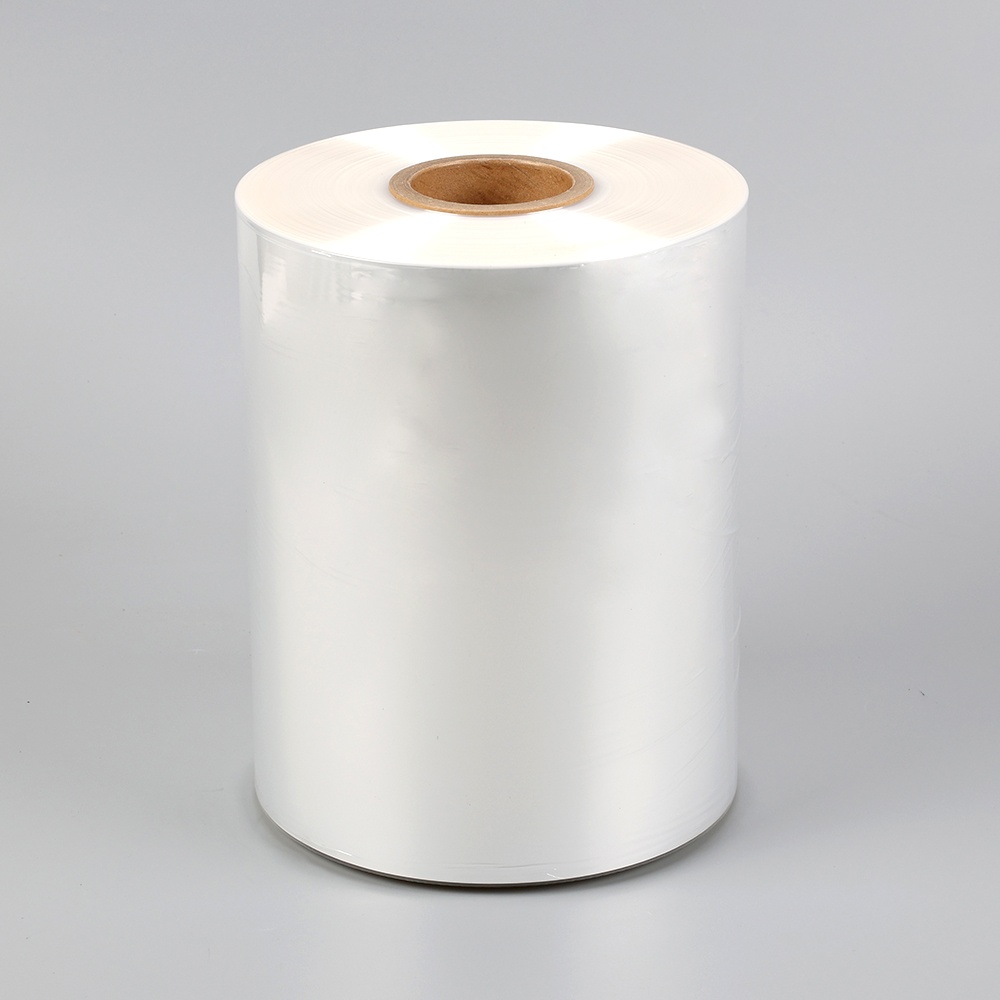
As the food freshness industry moves toward greater standardization and sustainability, lidding film has become the core packaging method for storing and shipping cooked foods, fresh meat and freshly cut produce. Most MAP lidding films on the market today are made with multi-layer, multi-material lamination — they meet basic freshness needs, but carry inherent technical weaknesses in recyclability, stability and safety. The new mono-material MAP lidding film breaks through those limitations, striking a true balance between preservation performance and environmental performance.
Conventional MAP lidding film relies on multi-layer lamination, bonding polyolefins and other dissimilar materials together with chemical adhesives — some products even add barrier coatings or metallized layers to boost freshness retention. It's a mature, industry-standard approach, but mixing materials brings a host of drawbacks. Adhesives and functional coatings can't be separated from the film, so used packaging is difficult to sort and recycle, leaving its recycling value close to nil. What's more, multi-layer production is intricate: it consumes more energy and is prone to solvent residue, layer delamination and inconsistent thickness. Over long-term use, seal strength can degrade and the freshness window can shorten — a real concern for food safety.
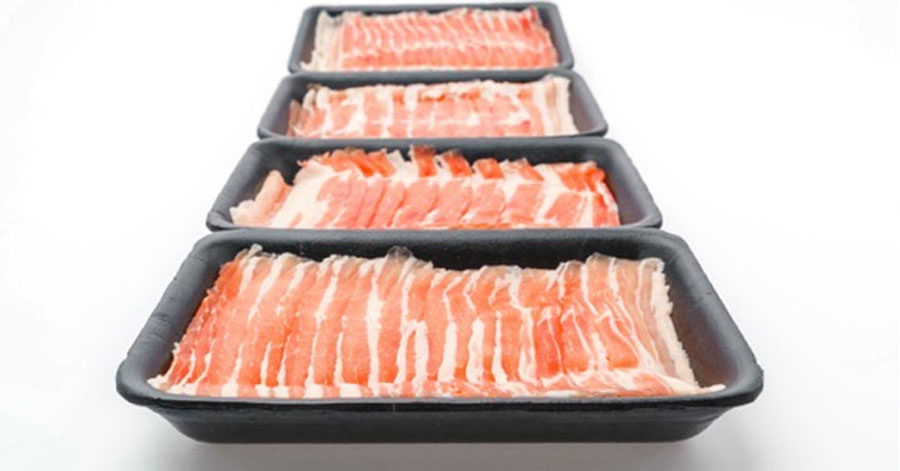
Compared with traditional lamination, Zhejiang zhongda's self-developed mono-material MAP lidding film uses an industry-first integrated forming technology that optimizes the film structure at the production level, resolving the core pain points of conventional products. On the recycling front, the uniform molecular structure gives the film full recyclability: it needs no complex purification or delamination, and can go straight into standard plastic recycling streams. After recycling, the material retains stable performance, easing the environmental burden of packaging waste and supporting food companies' ESG compliance and sustainable production goals.
And the mono-material approach doesn't sacrifice preservation performance. Through proprietary molecular modification, the film forms a uniform, dense internal structure that precisely regulates oxygen and moisture vapor transmission rates — covering the full spectrum of fresh food applications, from meat and cooked foods to fruits and vegetables. It heat-seals evenly, resists puncture and leaves no solvent residue, runs on all types of fully automatic sealing equipment, and matches high-end traditional laminated films in seal stability and long-term freshness retention.
As the food packaging industry evolves toward lower energy consumption, greater recyclability and higher safety, mono-material MAP lidding film — with its differentiated, original technology — fills the gaps left by conventional products. It safeguards food freshness while delivering a green revolution in packaging materials, offering a brand-new solution for the industry's technological upgrade.
The High-Speed Line Efficiency Dilemma: One POF Film Unlocks Full-Rate Production
High-Temperature Packaging Damaging Your Goods? Heat-Sensitive Products Need Special Handling
Mobile site

alibaba
Copyright © 2023 Zhejiang Zhongcheng Packing Material Co., Ltd. All Rights Reserved. Privacy Polyolefin Shrink Film Manufacturers