
 English
 русский
 Español
Home / News / Company News / PPWR’s Recycling Red Line Forces an Upgrade: How Can Fresh Food Packaging Break Through?
The EU Packaging and Packaging Waste Regulation (PPWR) entered into force on 11 February 2025 and applies in full across EU member states from 12 August 2026, replacing the former Packaging and Packaging Waste Directive 94/62/EC. The regulation brings the environmental attributes of packaging within the scope of market access management, setting out systemic requirements for packaging materials placed on the EU market: all packaging must be assessed against recyclability performance grades (A/B/C), and specific PFAS substances in food-contact packaging are subject to restrictive limits. Under this strict environmental access regime, fresh food packaging has become one of the segments under the most direct compliance pressure.
For fresh food packaging, the core challenge posed by PPWR lies in balancing function with environmental performance. Modified atmosphere packaging inhibits the respiration and microbial activity of fresh products by regulating the gas environment inside the pack, and its preservation effect depends heavily on the barrier performance of the lidding film. Conventional MAP lidding films use multiple materials: they can achieve high barrier performance, but the complex material system is hard to separate and creates obstacles for recycling and recovery once the packaging is discarded. How to improve packaging recyclability while maintaining barrier performance has become a key question in upgrading fresh food packaging materials.
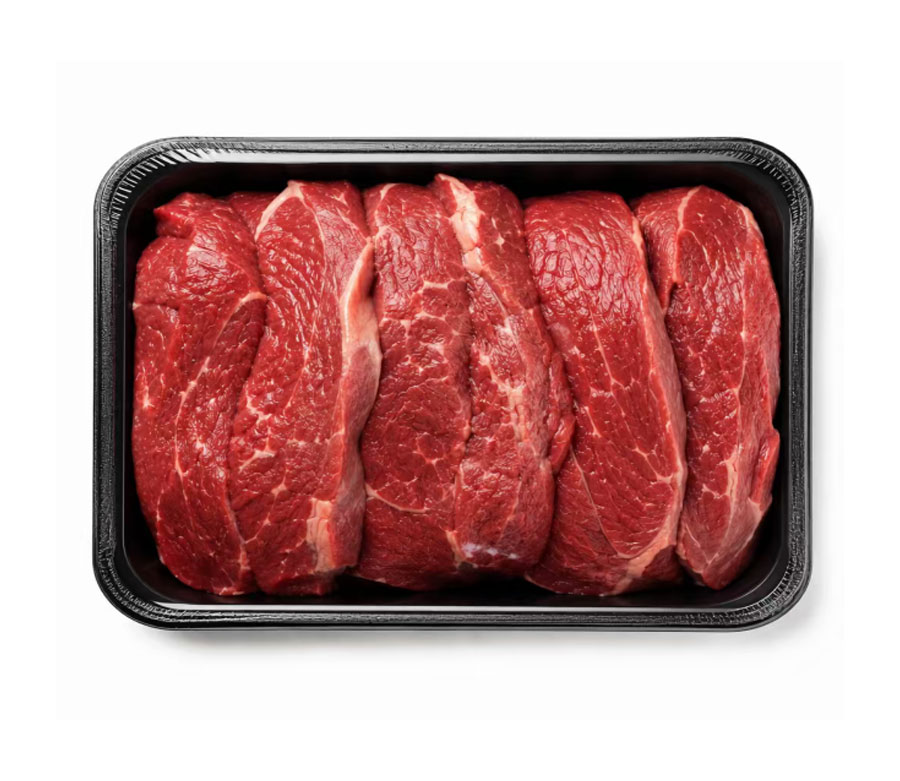
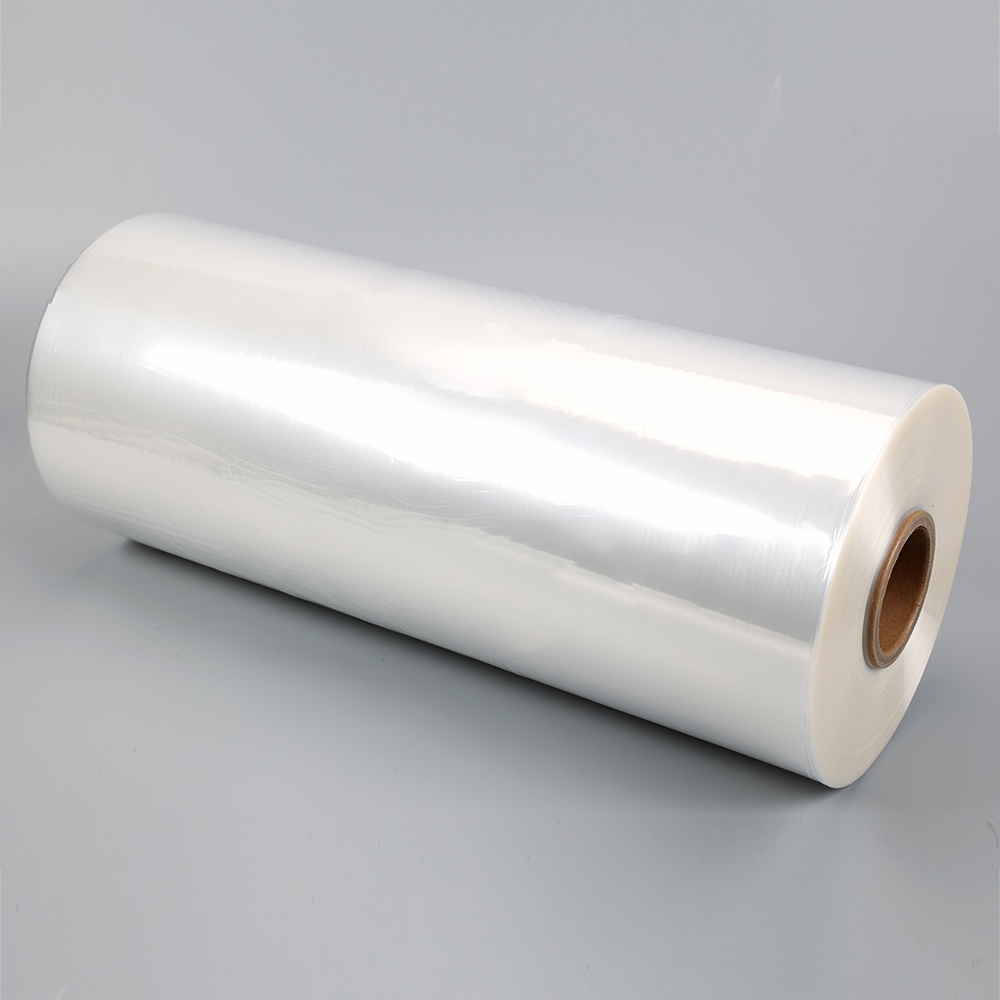
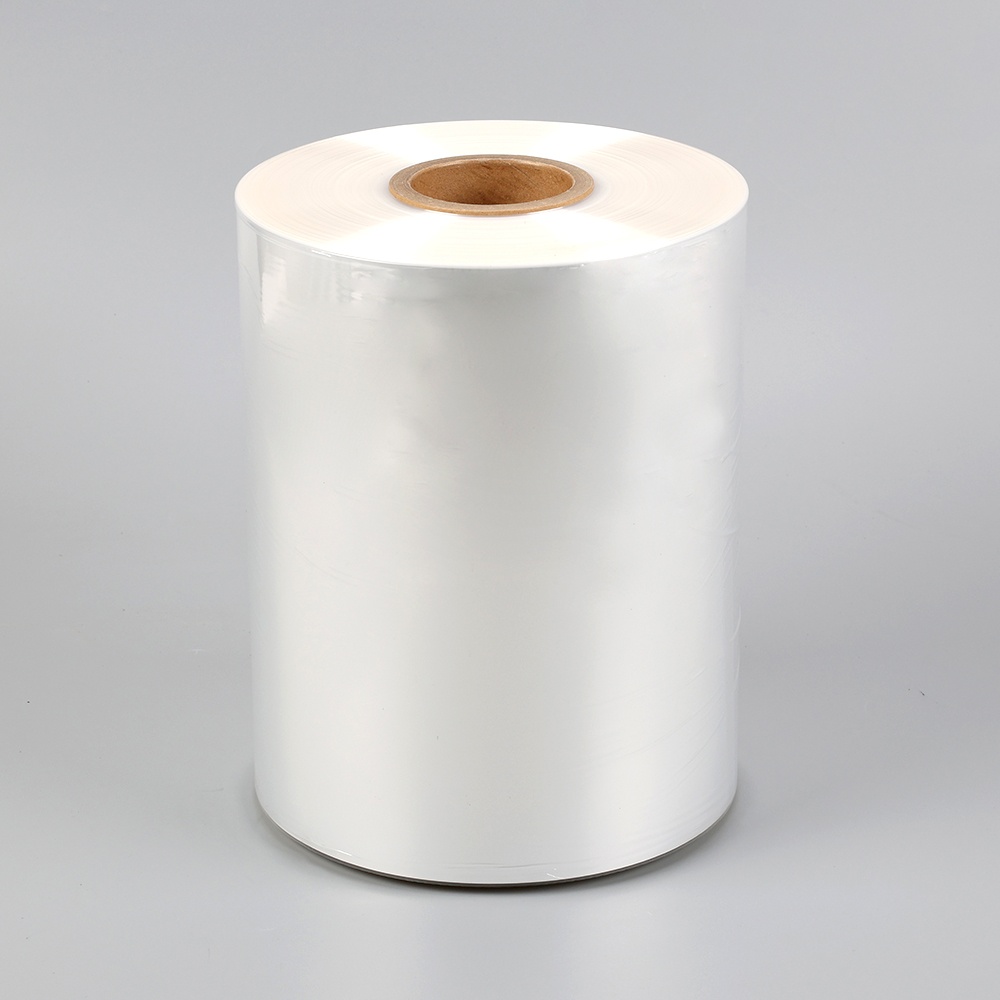
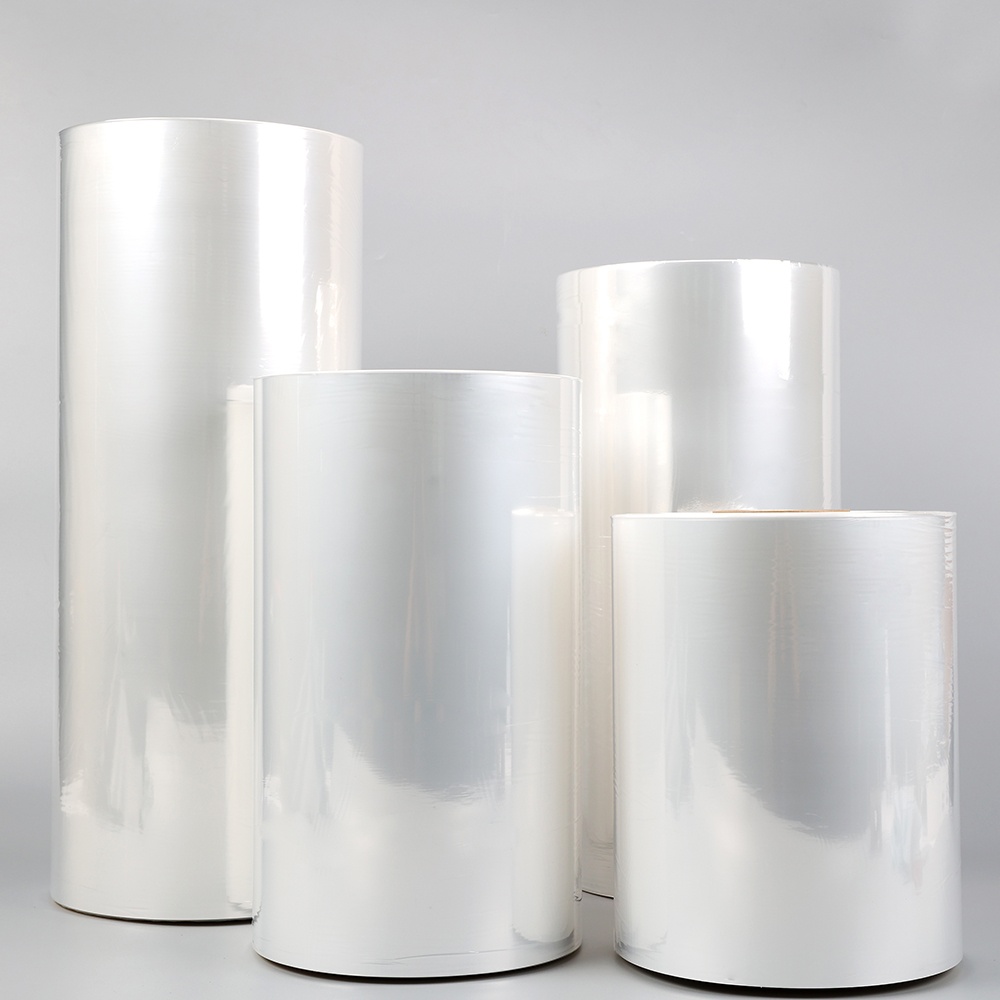
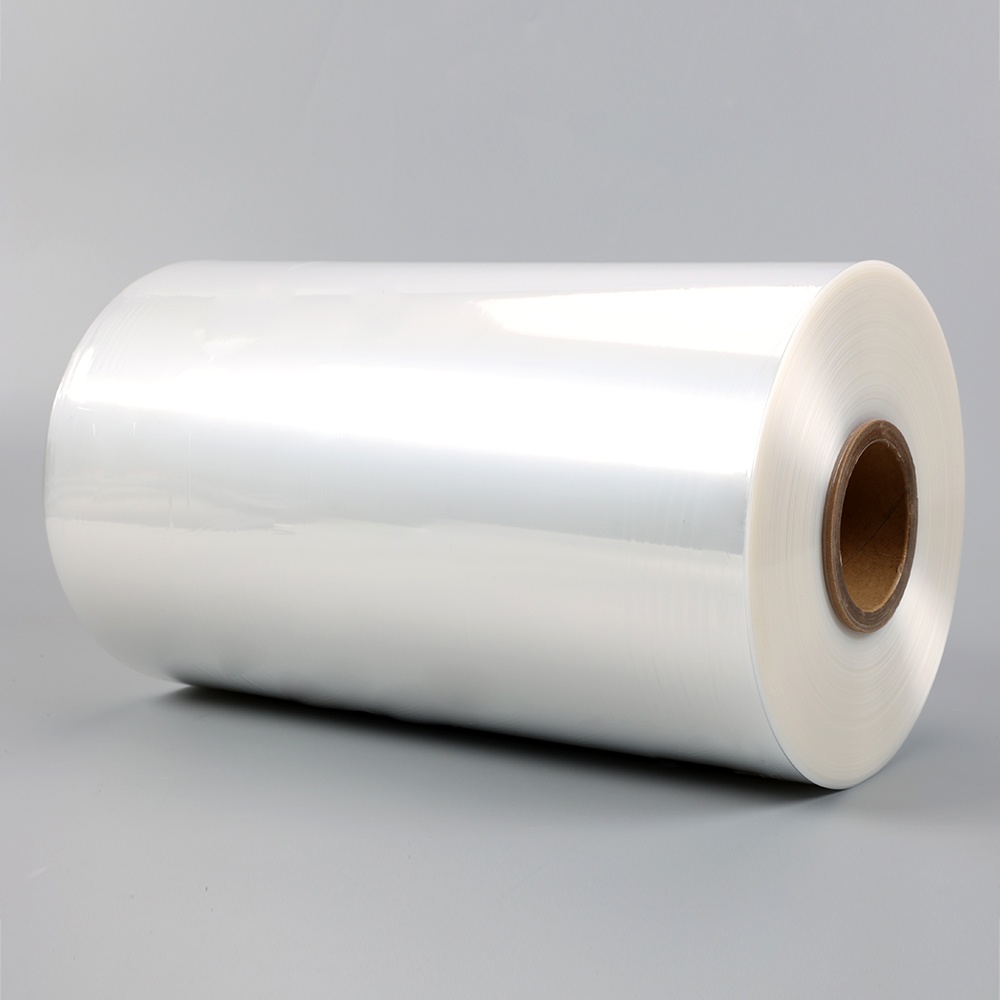
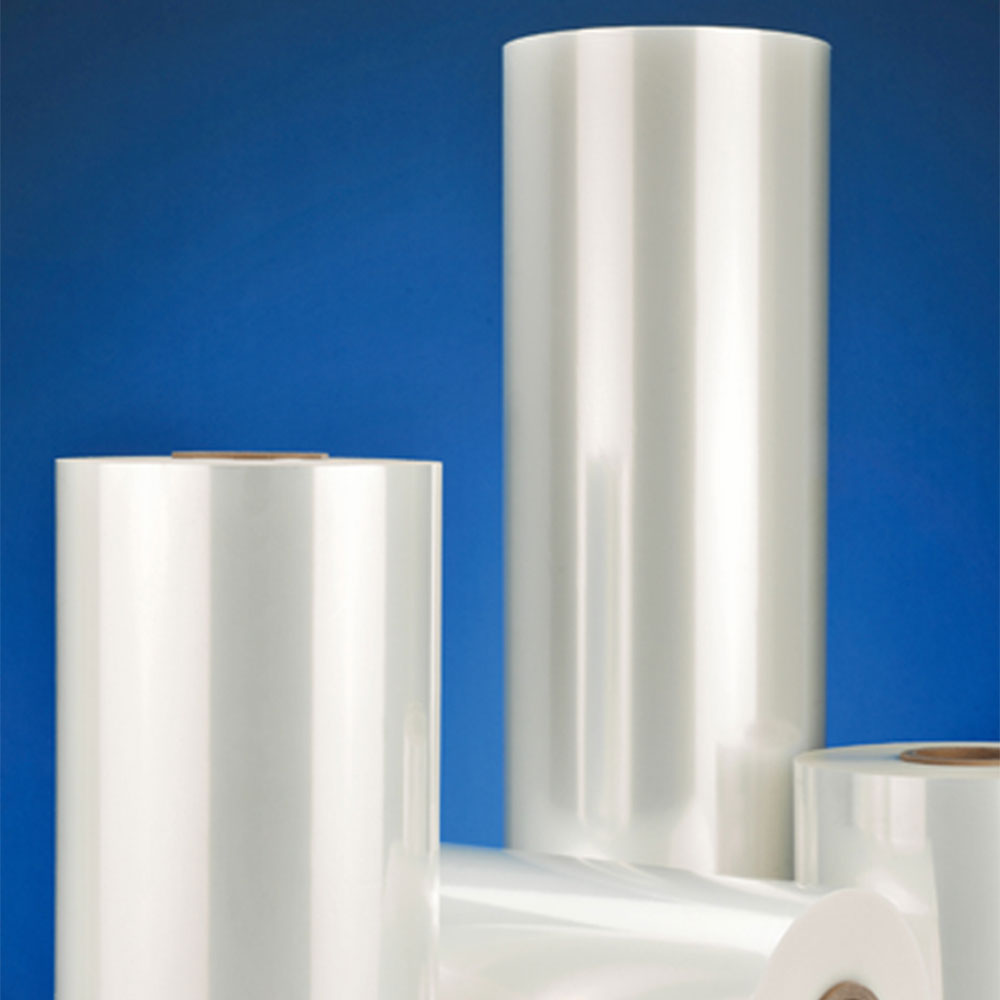
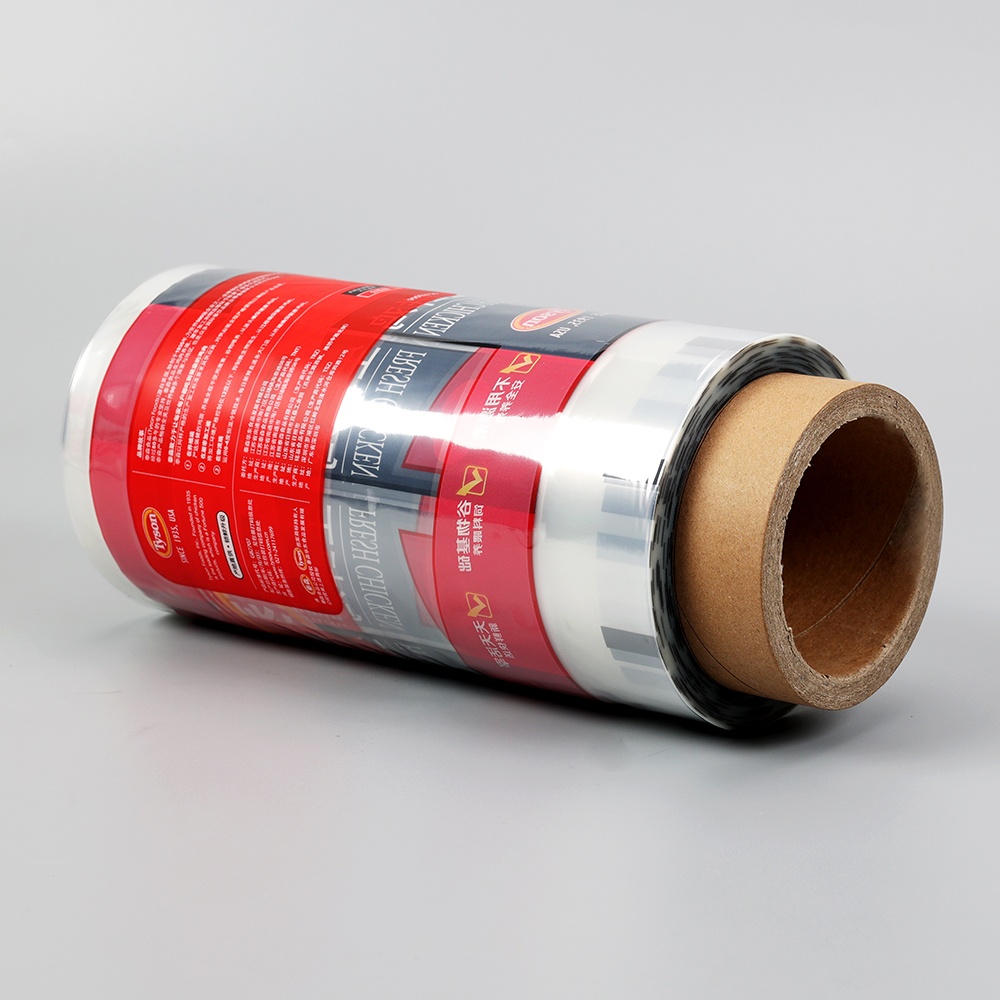
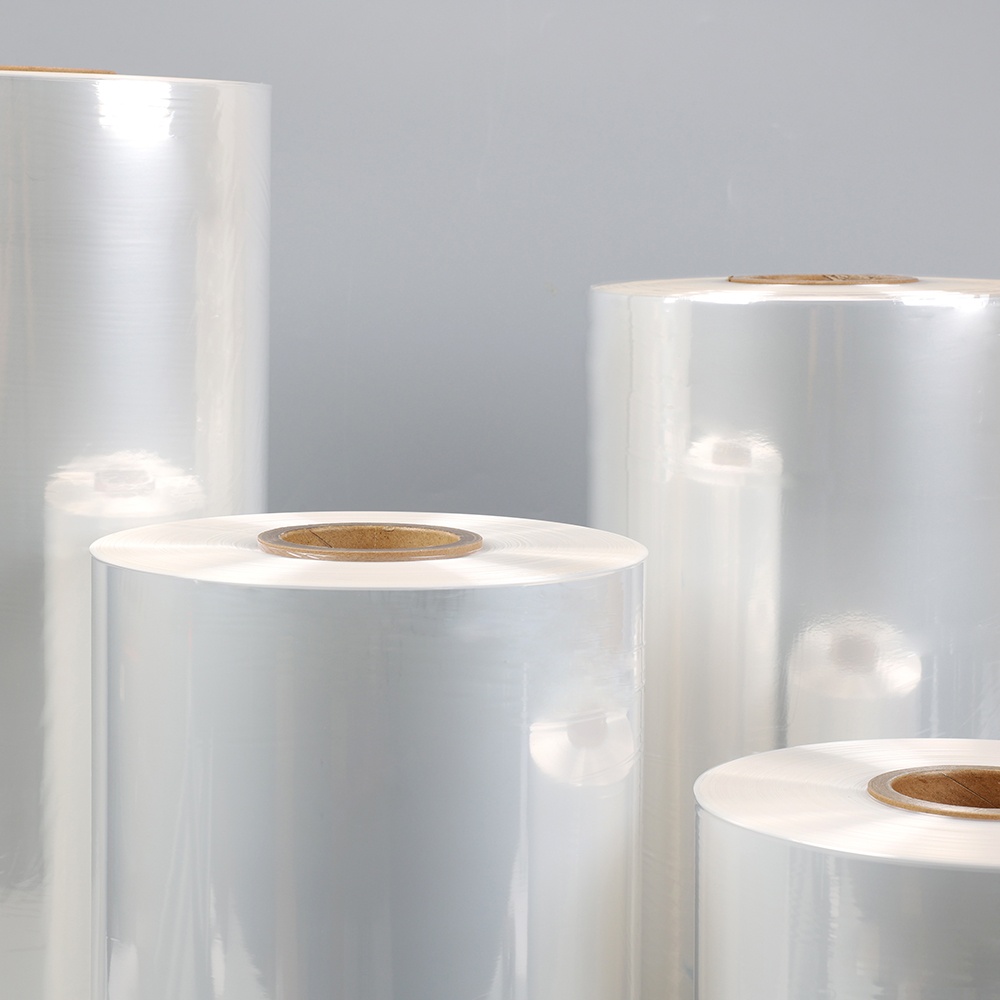
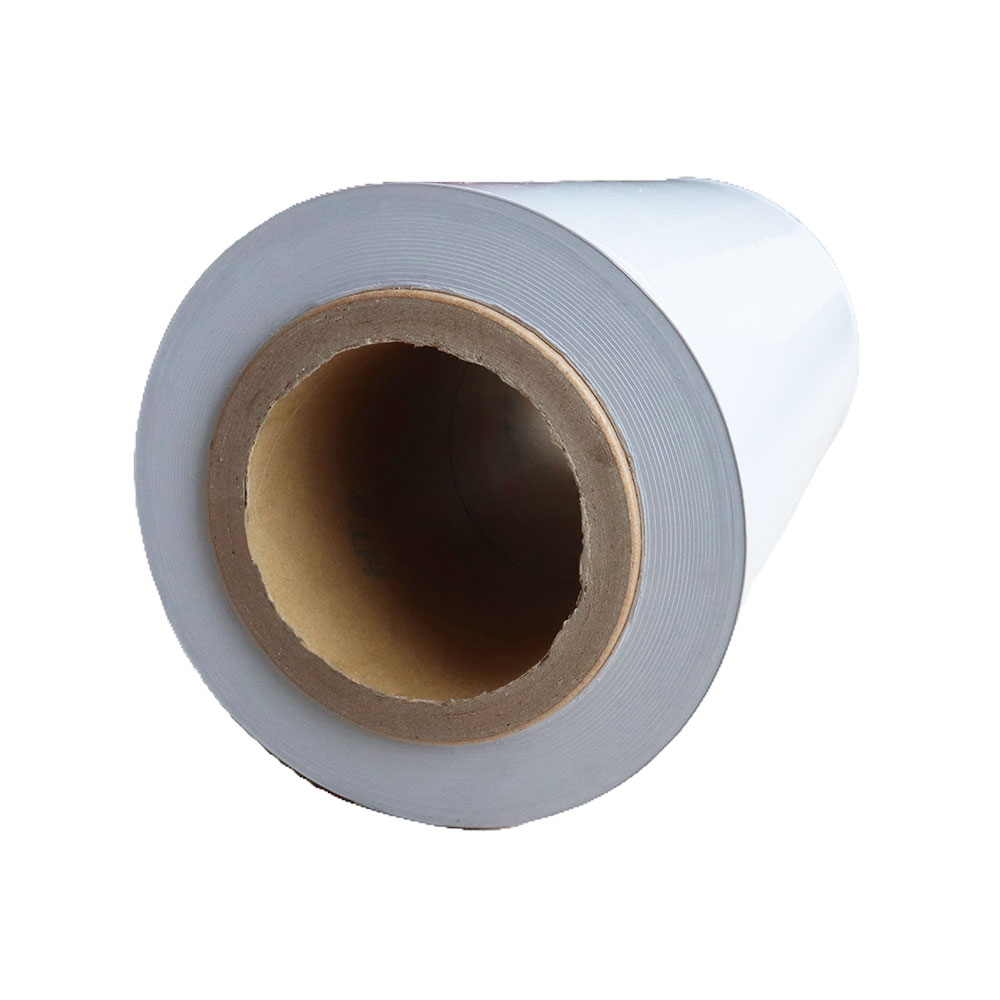
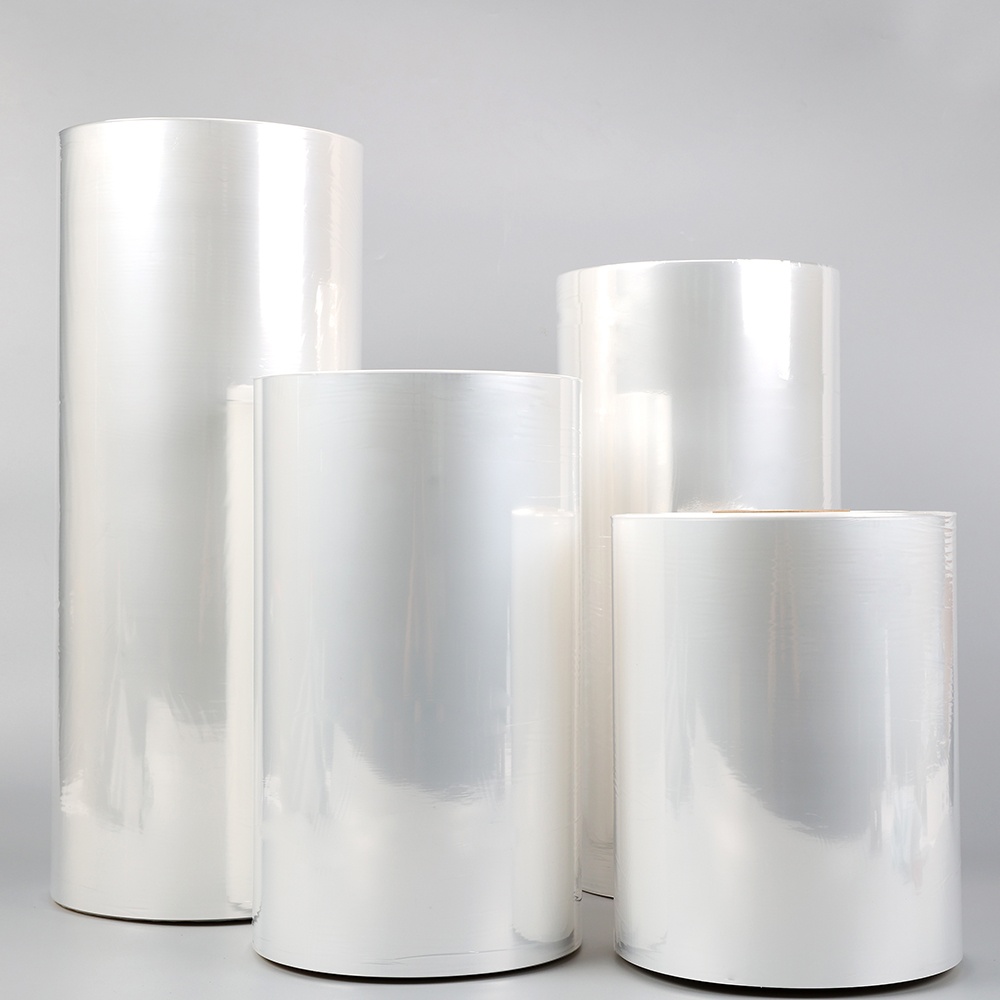
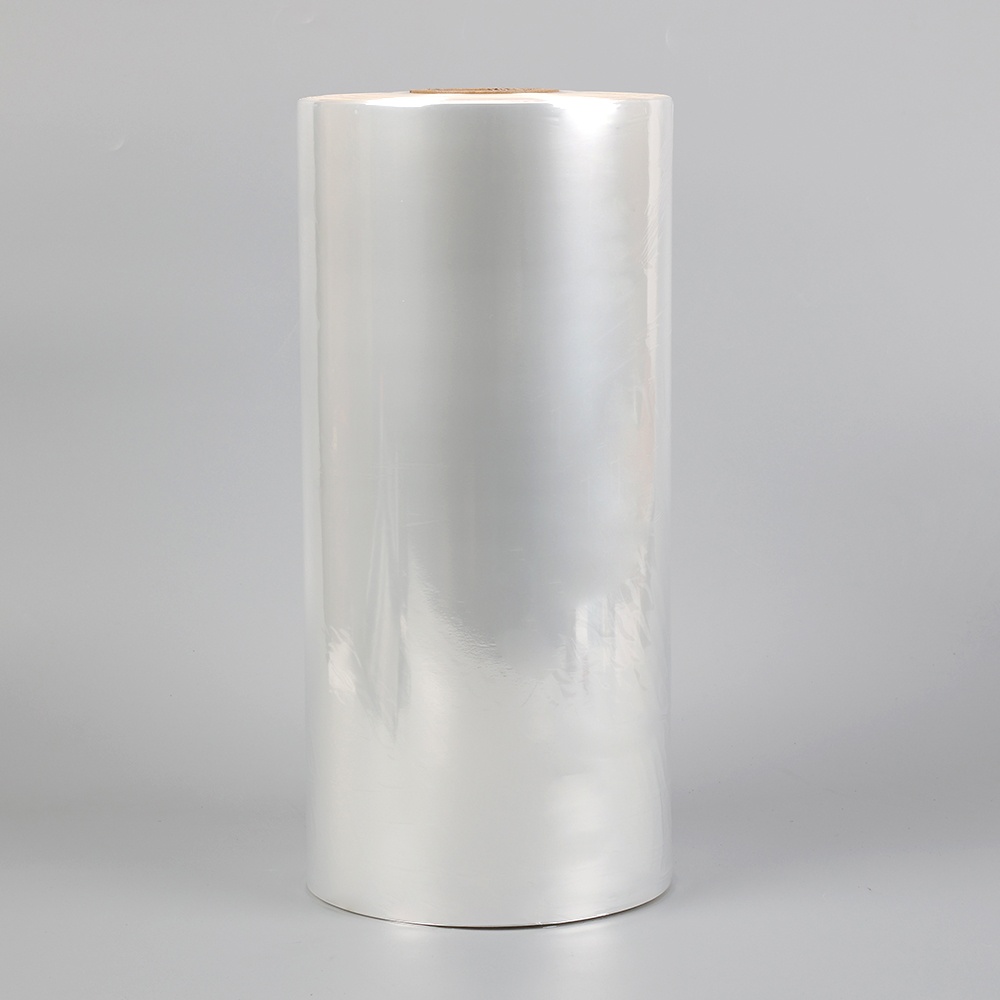
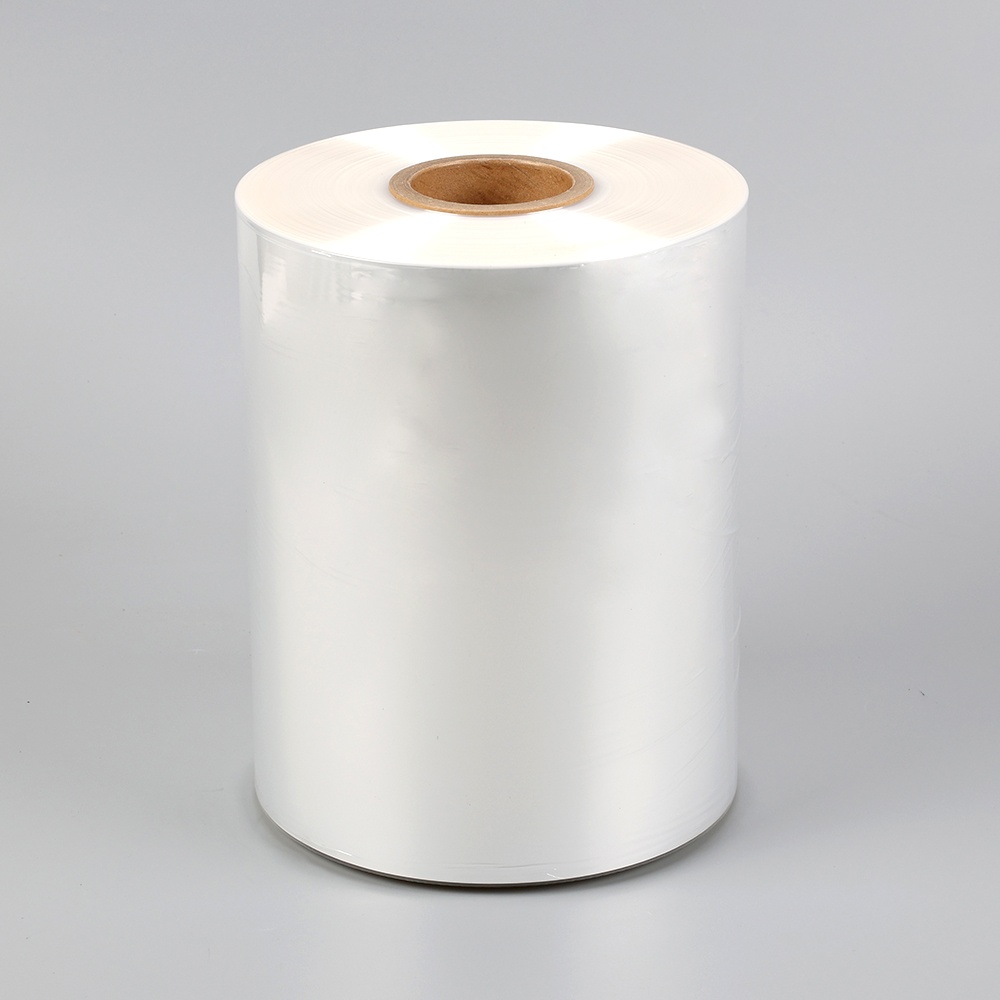
In response, Zhejiang Zhongcheng has launched a mono-material MAP lidding film. The product uses a single material and is mainly used for MAP packaging of tray-based fresh products such as meat, fruit and vegetables, and cooked foods. By effectively blocking oxygen and external contaminants, it helps maintain a stable gas environment inside the pack and reduces quality degradation of fresh products during storage, transport and display — extending shelf life and cutting losses. On the environmental side, the mono-material structure avoids mixing dissimilar materials and reduces the difficulty of sorting and recycling discarded packaging; it helps improve packaging recyclability and aligns with the packaging circularity goals set out in PPWR. In addition, using a single material helps simplify production and procurement and reduces material management complexity, giving companies greater room for overall cost control as they pursue compliant packaging upgrades. For fresh food producers and brand owners supplying the EU market, adopting a mono-material MAP lidding film meets food protection requirements while reducing repeated investment in packaging redesign and material testing.
Mono-material MAP lidding film is one of the technological directions through which the packaging industry can respond to PPWR constraints and align function with environmental performance. Zhejiang Zhongcheng will continue to optimise its material system and processing technology, improving packaging recyclability and cost-effectiveness while safeguarding barrier performance, in support of the green transition of the fresh food supply chain.
Weak Toughness and Constant Repacking? The Film You Choose Decides Your Production Line’s Efficiency
From Breakfast to Bedtime — How Many Times Do You Touch POF Film in a Day?
Mobile site

alibaba
Copyright © 2023 Zhejiang Zhongcheng Packing Material Co., Ltd. All Rights Reserved. Privacy Polyolefin Shrink Film Manufacturers