
 English
 русский
 Español
Home / News / Industry News / POF Film vs. PVC Film vs. PE Film: Which One Actually Comes Out on Top?
Heat shrink film is an essential consumable for product packaging and retail display. The three main types available on the market — POF film, PVC film, and PE film — differ substantially in raw material characteristics, production compatibility, and environmental compliance. POF film, which leads the field in overall performance and visual presentation, has become the go-to choice for premium packaging applications. The following analysis examines how these three shrink film types compare across key performance dimensions and use cases.
PVC film once gained brief market traction on the strength of its low price, but it comes with fundamental drawbacks. The material is rigid and brittle, prone to uneven thickness, and highly susceptible to cracking and splitting in cold-chain environments. After heat sealing, the edges tend to curl stiffly, and prolonged display under tension can cause the film to tighten progressively around gift boxes and electronics casings, leading to deformation and product damage. During the heat shrink process, PVC releases irritating and potentially harmful gases. Once applied, the film surface carries a pronounced haze that significantly reduces light transmission — undermining the premium appearance of any product and adding both high material waste rates and ongoing environmental compliance burdens to long-term operations.
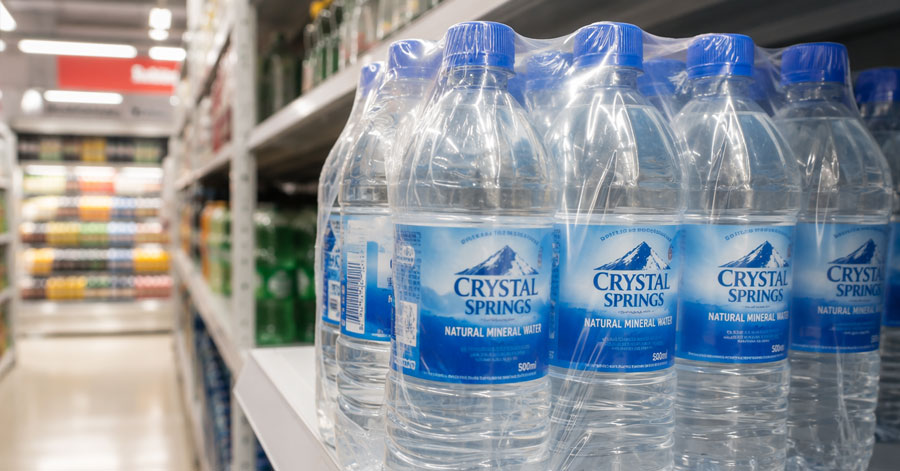
PE film is commonly used for bulk wrapping of full-case shipments. While it offers decent basic toughness, its optical performance is notably lacking; the film has a natural white haze that makes it difficult to reproduce the delicate texture of high-end products. It requires a high temperature to shrink, making heat-sensitive products—such as chocolate, fresh-chilled meat, and cosmetic creams—extremely prone to heat-induced spoilage and cosmetic damage. Due to an imbalance in the longitudinal and transverse shrinkage ratios, issues such as extensive wrinkling and loose sealing at the edges and corners are unavoidable when packaging irregularly shaped gift boxes or products. Furthermore, standard PE films on the market generally exceed 30 μm in thickness to ensure basic strength, resulting in higher material consumption for the same packaging volume. They are only suitable for rough packaging of items such as bottled water and full cartons of goods, and fall far short of the visual requirements for elegant product displays.
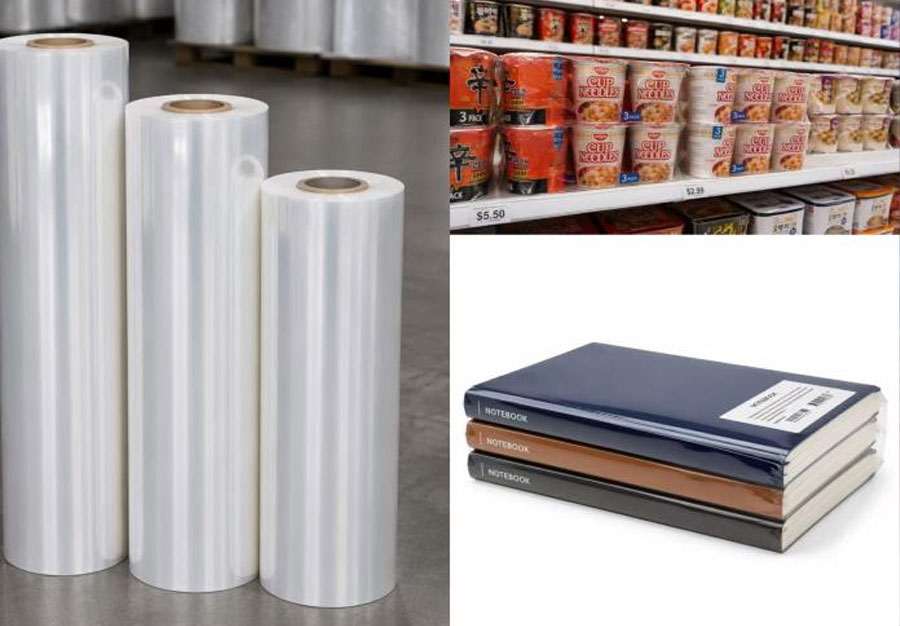
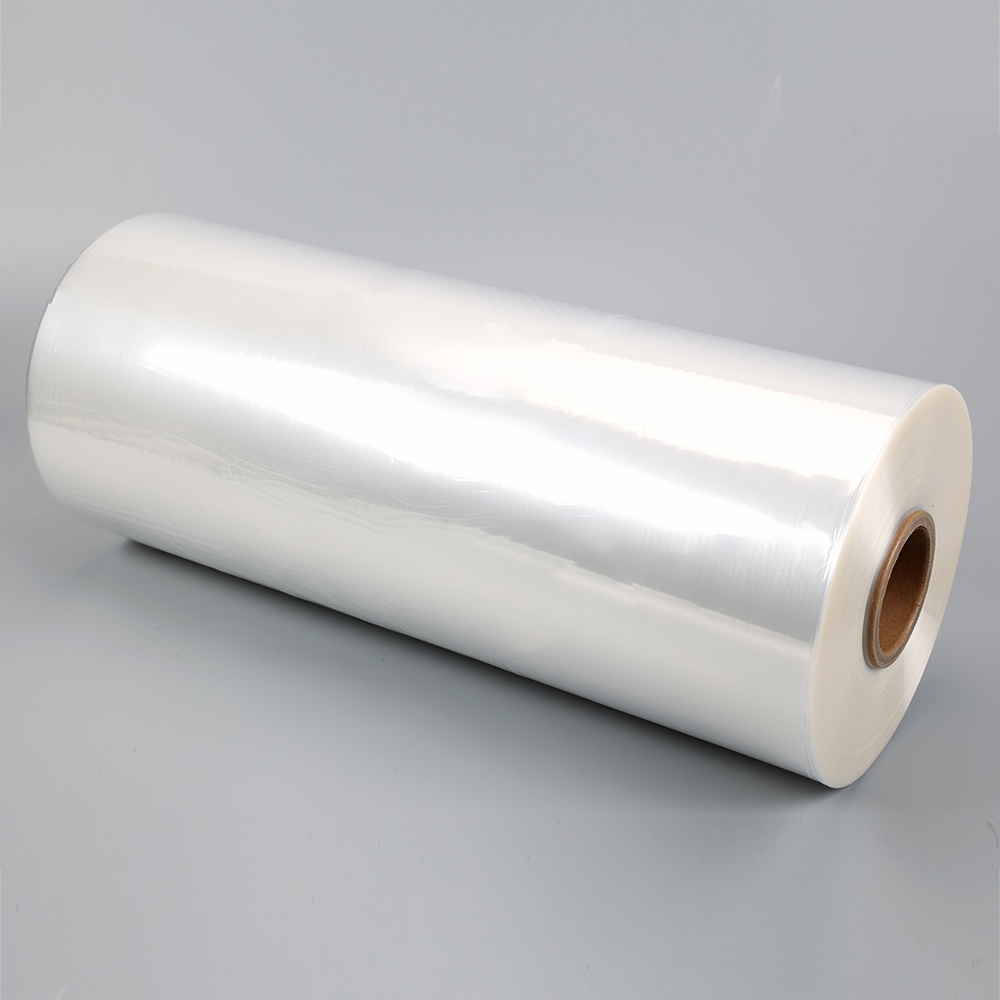
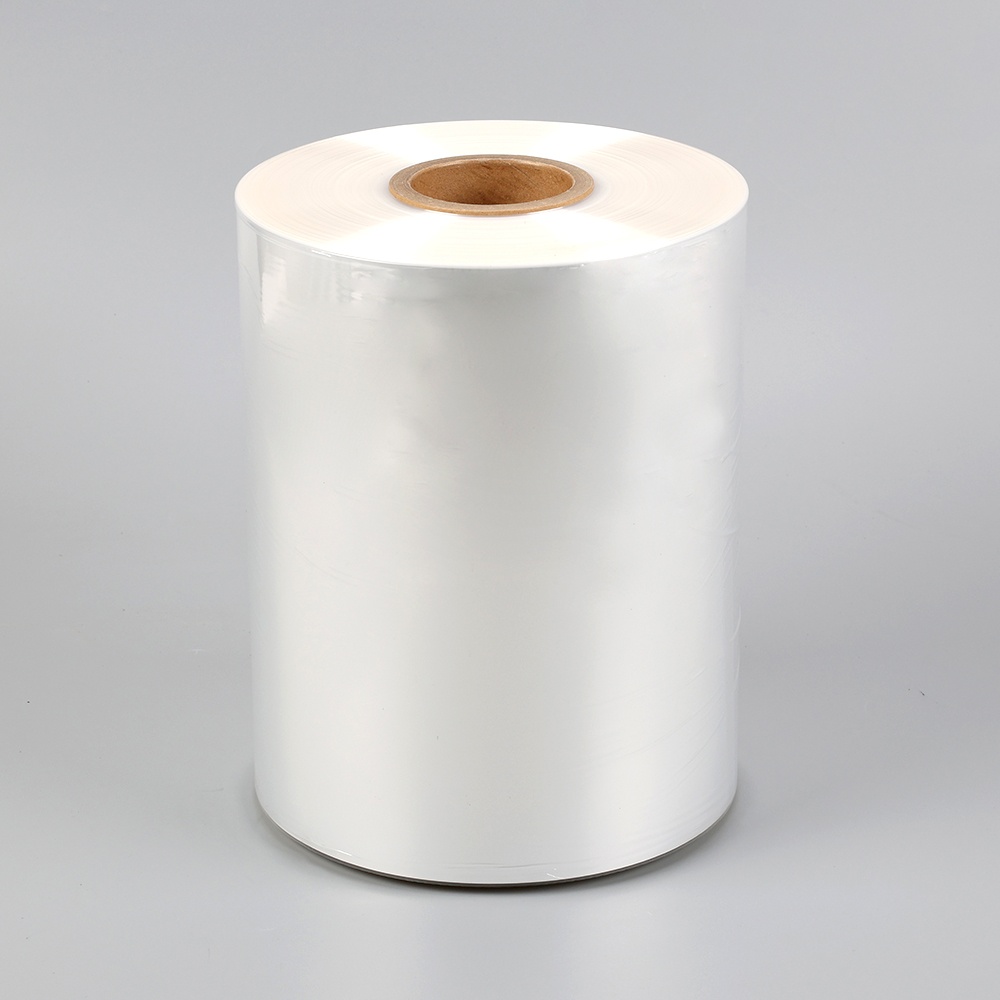
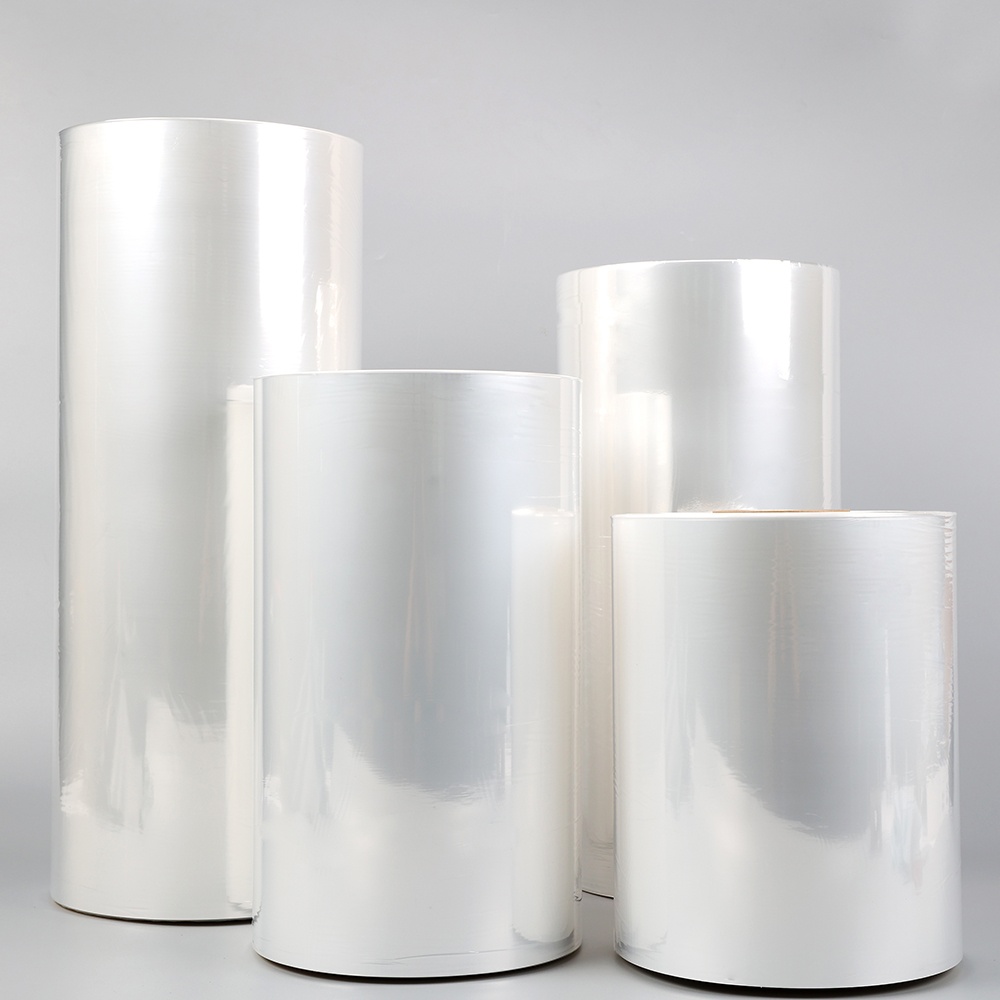
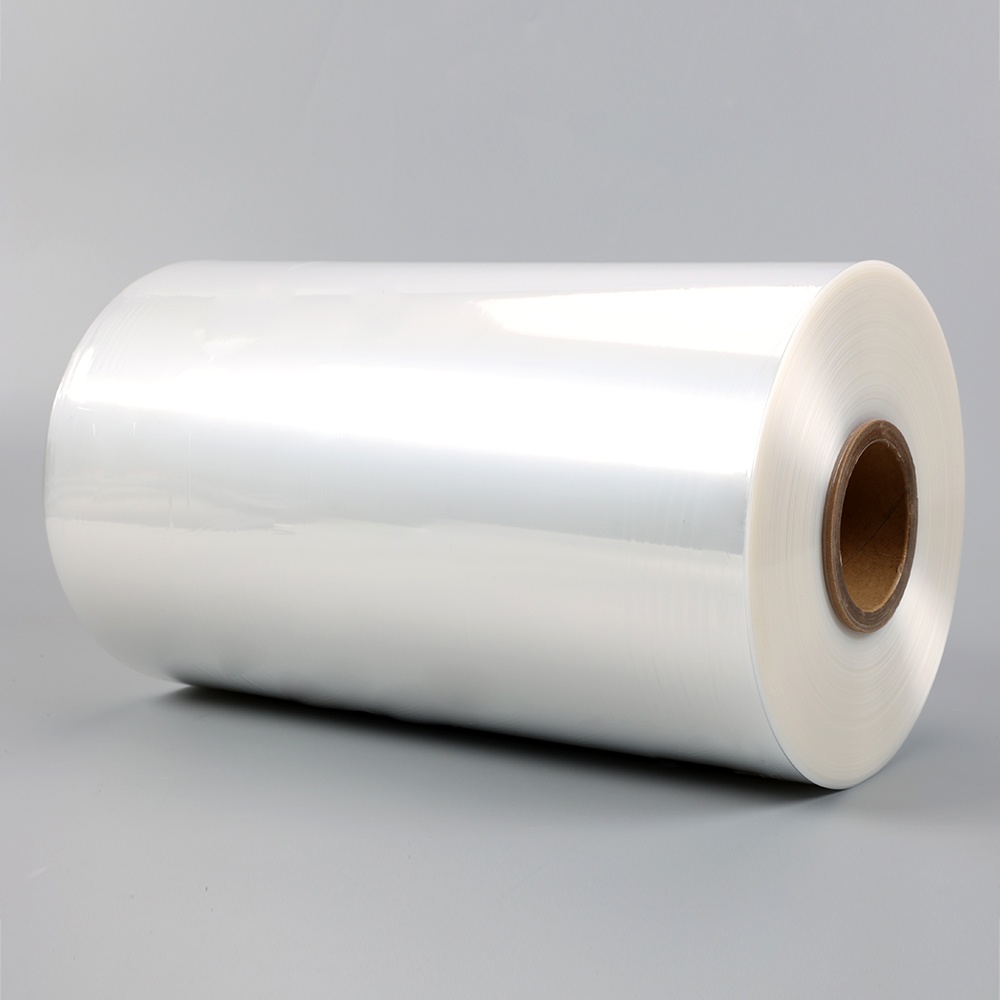
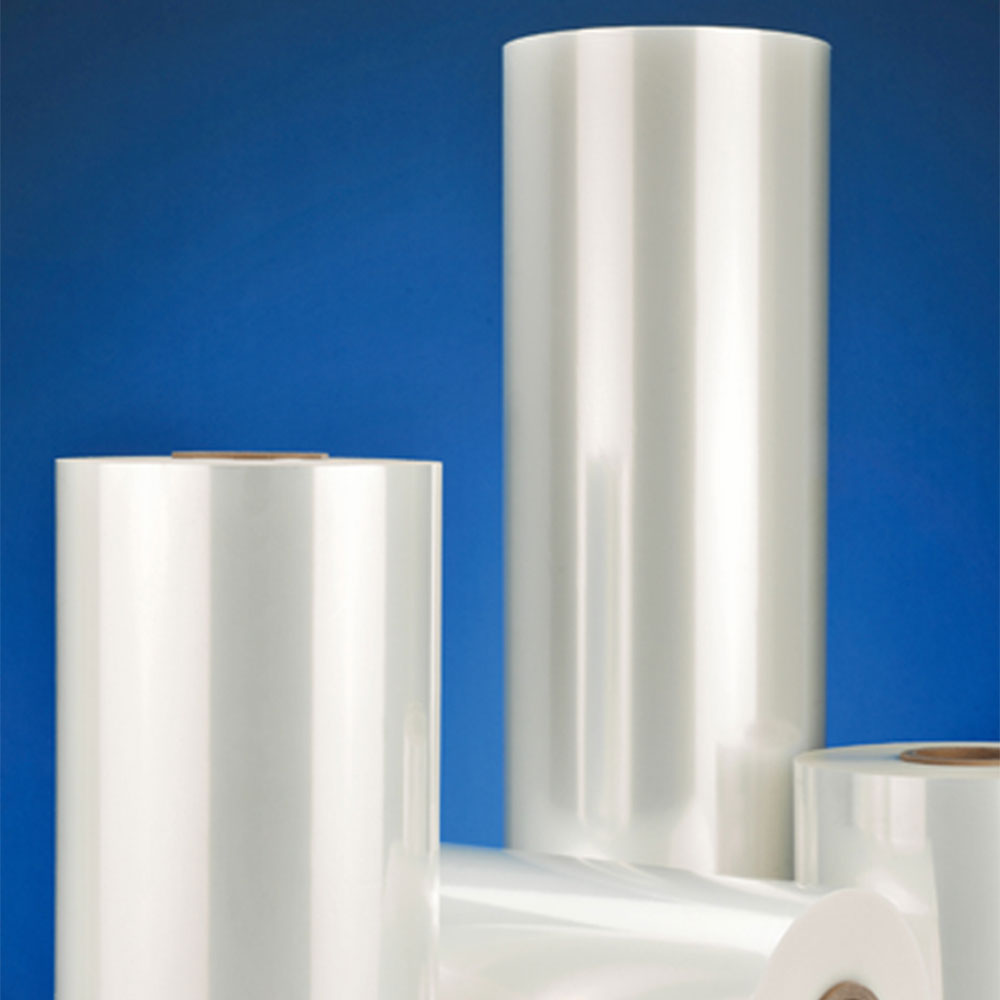
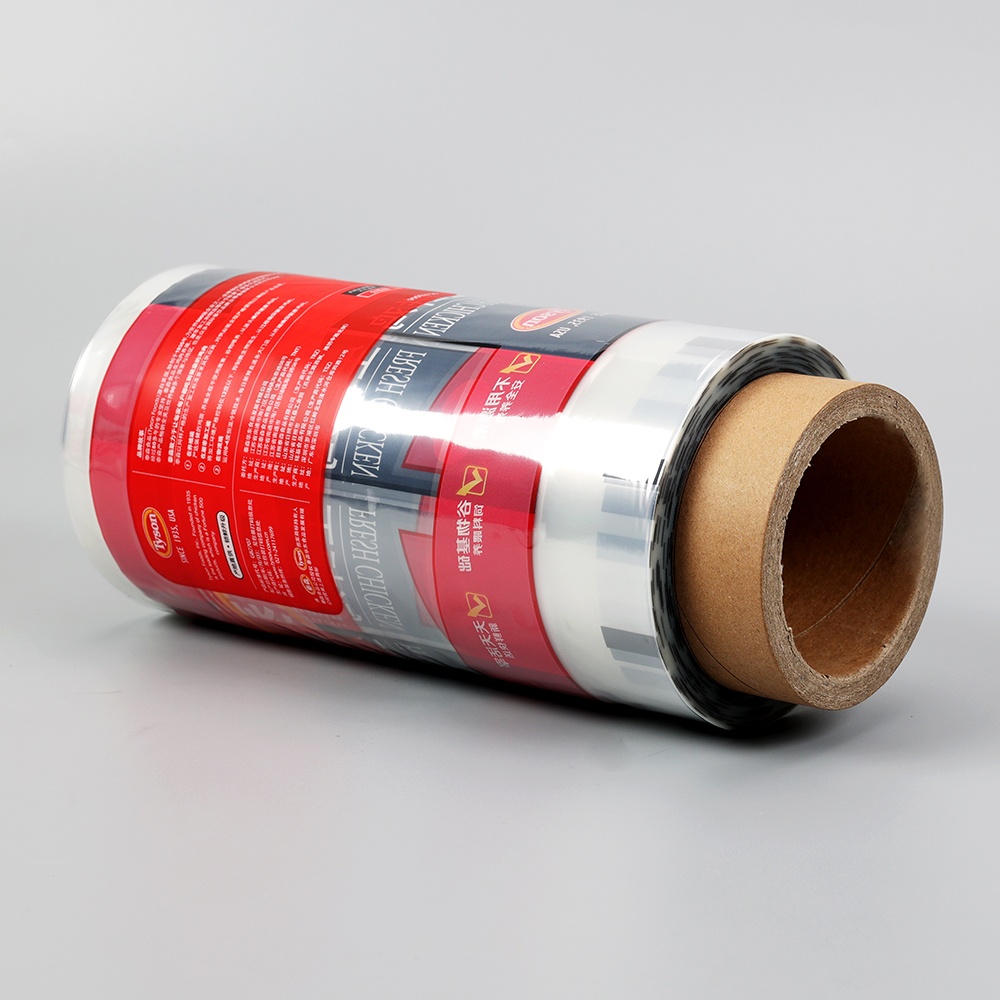
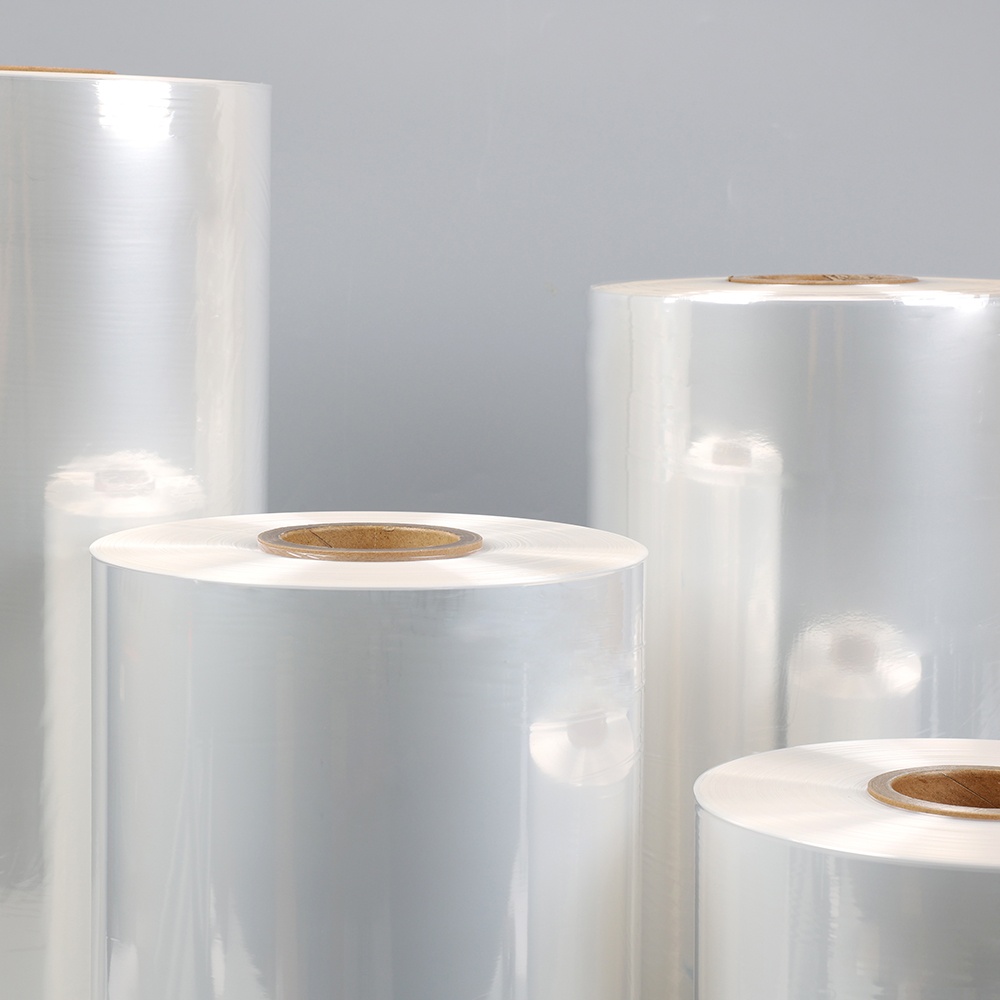
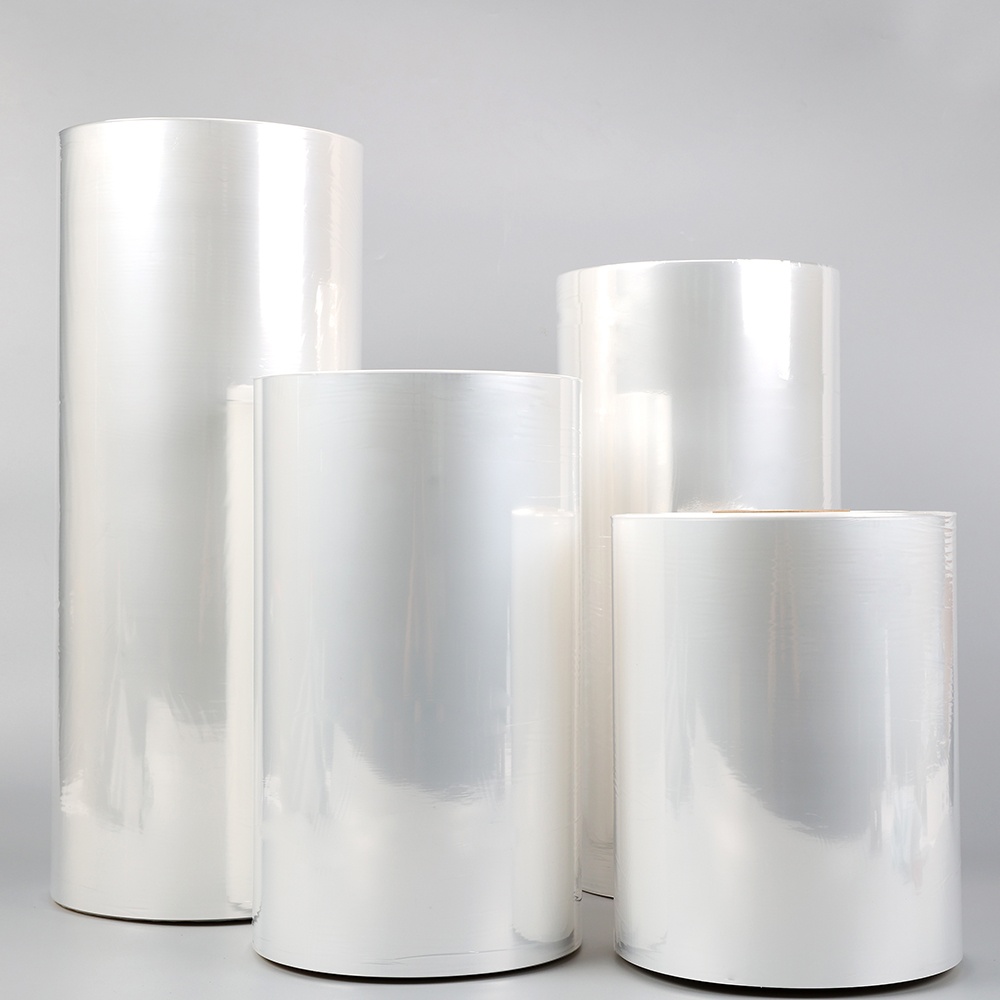
POF heat shrink film, produced through a multi-layer co-extrusion process, delivers near-glass-level light transmission and a fine mirror-like surface gloss. It shrinks uniformly and conforms precisely to irregularly shaped products — food items, household goods, fresh vegetables — with zero wrinkling, no air bubbles, and no lifted edges, achieving a shelf presence that far surpasses both PVC and PE film. POF film is thin yet strong: puncture-resistant, flex-tolerant, and non-brittle even at temperatures as low as -50°C, making it suitable across frozen, refrigerated, and ambient distribution chains. It runs smoothly and consistently on high-speed automated packaging lines, significantly reducing material waste and rejects. On the safety and environmental front, POF film is a pure, chlorine-free polyolefin material — free of plasticizers and harmful additives, odorless during heat processing, compliant with food contact standards, and fully recyclable at end of life, aligning with brand ESG commitments and cross-border export regulations. While the per-unit-area price may appear higher at first glance, the ultra-thin construction uses less material per pack, and the same weight of raw material produces substantially more film length than thicker PE or higher-density PVC film — delivering a lower per-package material cost and meaningful savings at scale.
Comparing the three types of heat shrink film, it is clear that PVC film is held back by environmental shortcomings and poor visual performance, while PE film is limited to bulk cargo applications. Only POF film delivers the full package: premium shelf aesthetics, reliable compatibility across all product categories, green compliance, and effective cost management — making it the definitive choice for automated packaging line upgrades today. Zhejiang Zhongcheng has specialized in POF heat shrink film manufacturing for over three decades, providing comprehensive packaging solutions across food, cosmetics, creative goods, and electronics applications.
Key Purchasing Criteria for POF Film: Understand These Three Critical Metrics Before You Buy
Mono-Material MAP Lidding Film: A Meaningful Leap Forward in Cold-Chain Food Packaging
Mobile site

alibaba
Copyright © 2023 Zhejiang Zhongcheng Packing Material Co., Ltd. All Rights Reserved. Privacy Polyolefin Shrink Film Manufacturers