
 English
 русский
 Español
Home / News / Industry News / Perfect Produce, Poor Packaging: How Fogging Is Costing You at the Shelf
In the cold-chain distribution of fresh produce, ready-to-cook meals, and chilled meat products, most companies focus their quality control efforts on ingredient freshness, temperature management, and sterile production — while consistently overlooking one critical hidden issue: packaging condensation. The majority of standard POF films on the market offer only basic sealing and dust protection, with no targeted solution for moisture fogging caused by temperature fluctuations. Attempts to address this through adjustments in packaging processes or cold-chain temperature optimization have yielded little improvement, ultimately eroding competitiveness at the point of sale.
At its core, packaging fogging is an irreversible physical consequence of temperature differentials in cold-chain environments. Once a product is sealed and placed in refrigerated storage, a temperature gap forms between the inside and outside of the package. The residual moisture in the trapped air condenses on the inner surface of the film, forming a dense layer of fog and water droplets. This phenomenon is not a sign of a faulty seal or spoiled contents — yet it inflicts multiple irreversible negative effects on the product at the retail level.
More critically, condensation on packaging is prone to triggering a damaging misperception among consumers. In the popular imagination, moisture buildup and fogging inside a package are instinctively associated with stale produce, improper storage, or a compromised seal — even when the product has been maintained under full cold-chain conditions and meets every food safety standard. Over time, this unfounded perception directly suppresses sales and quietly erodes brand reputation.
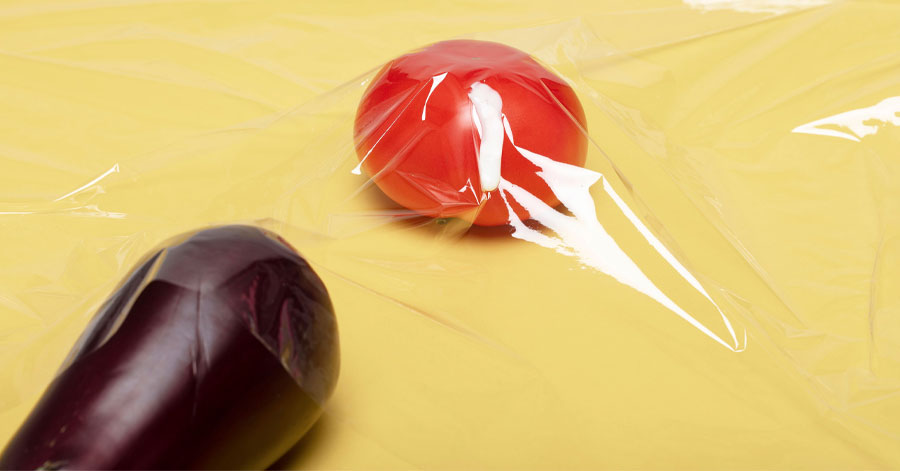
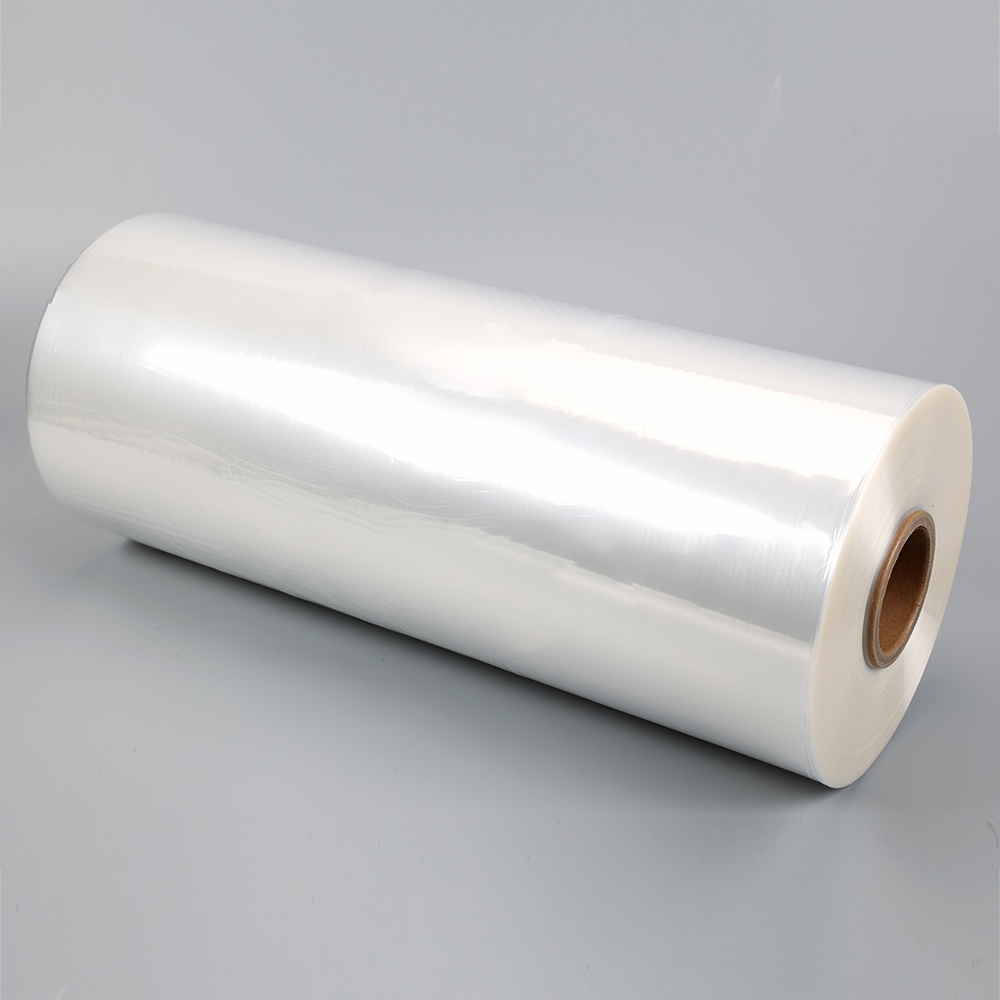
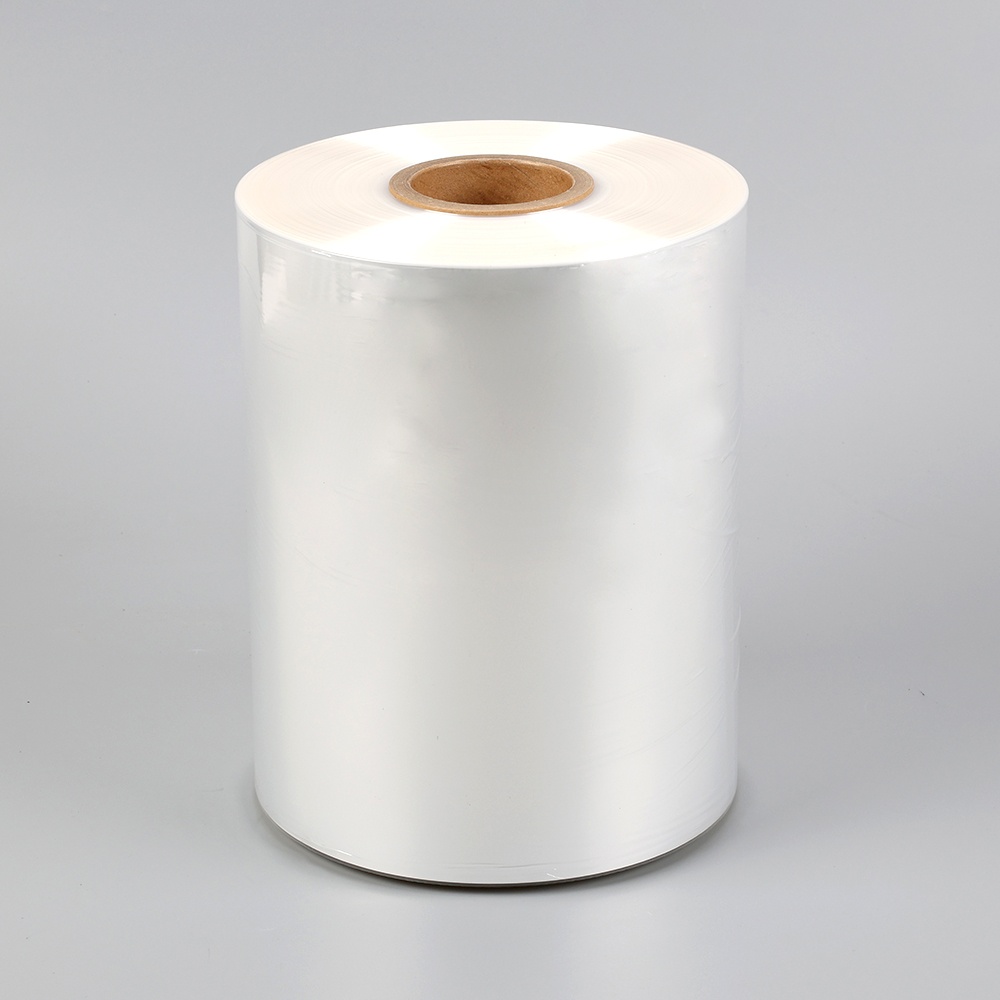
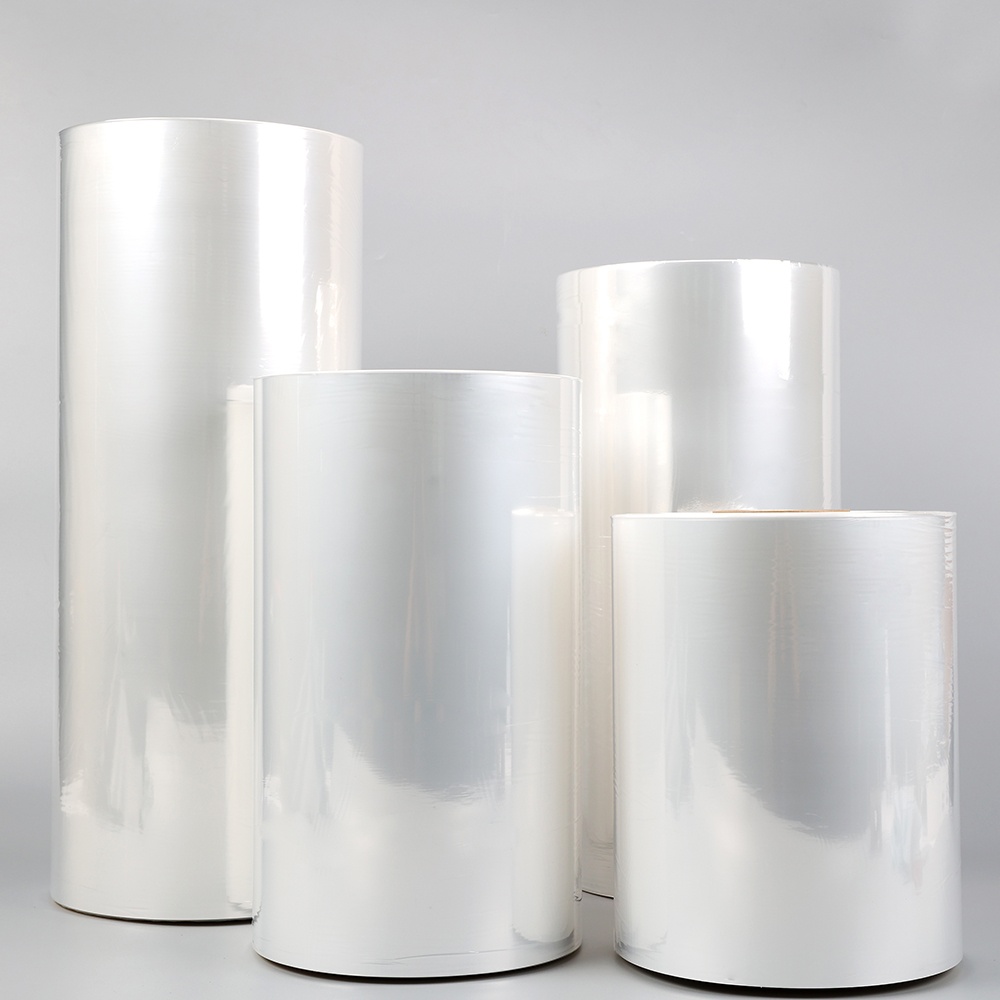
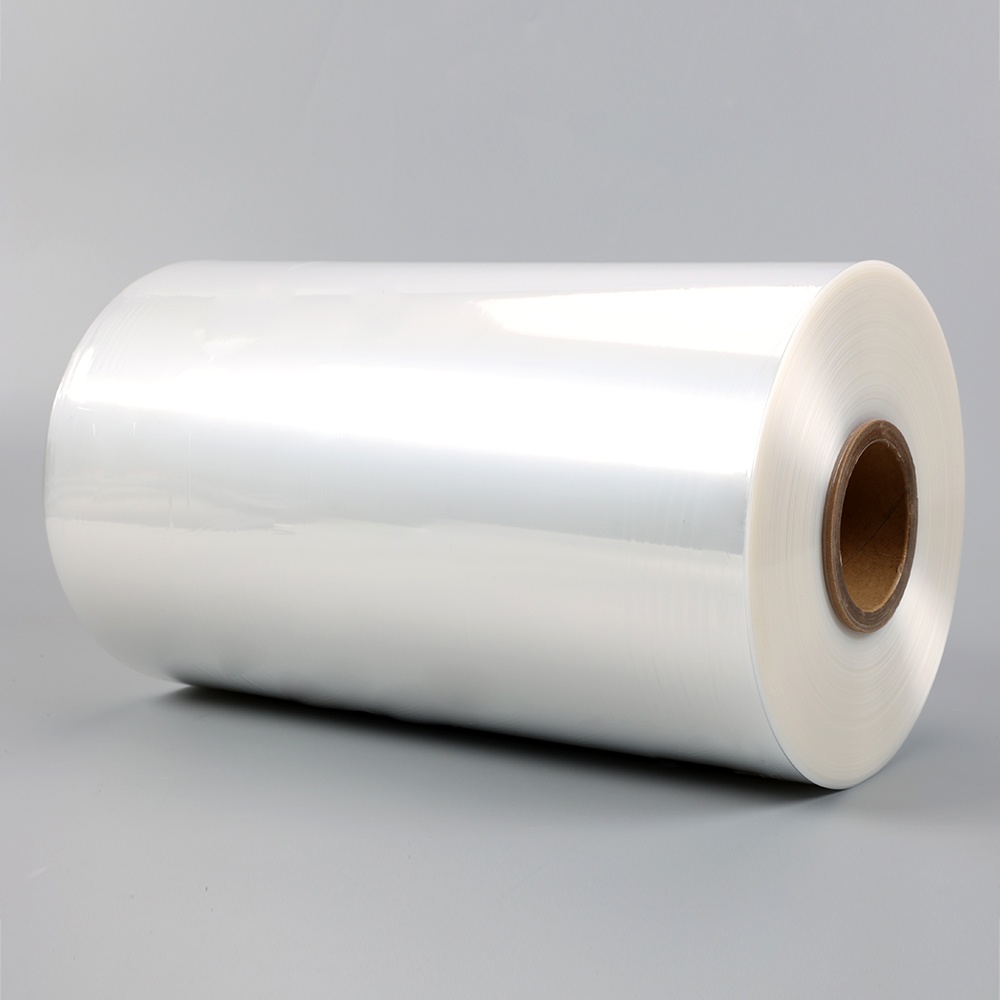
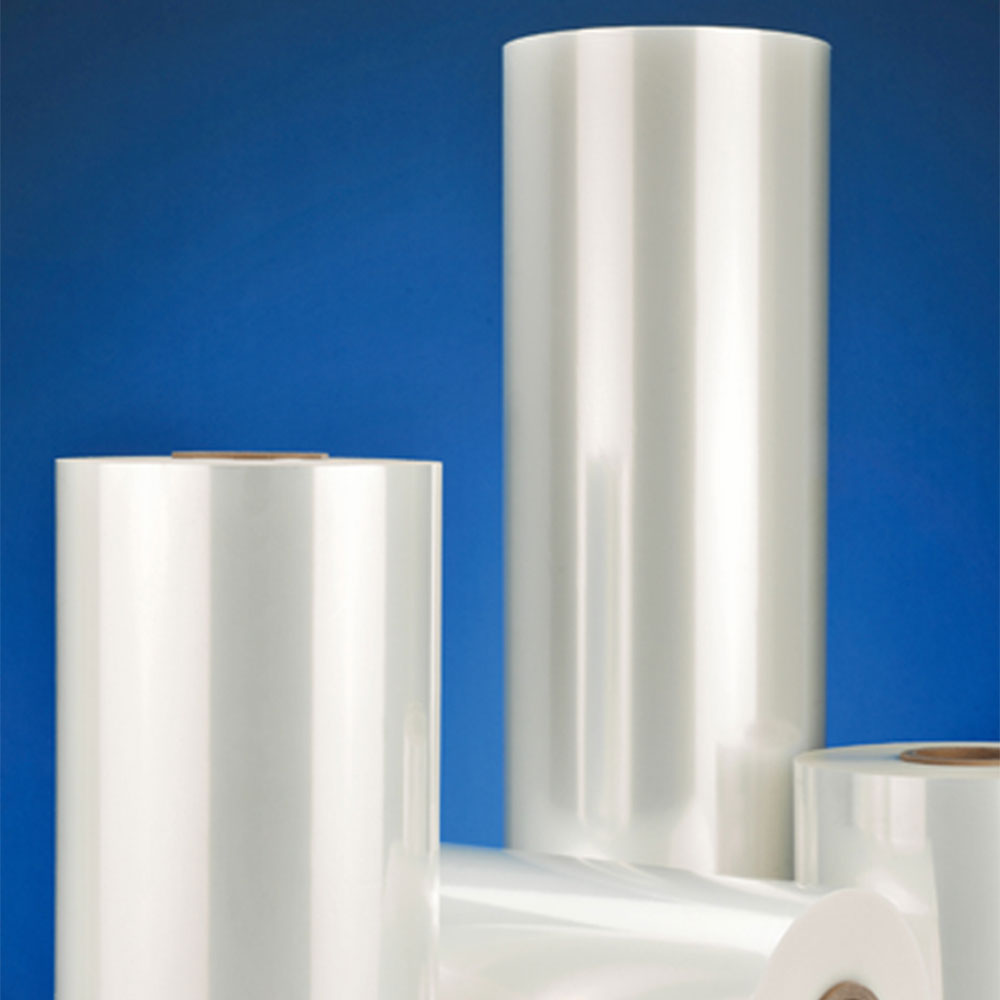
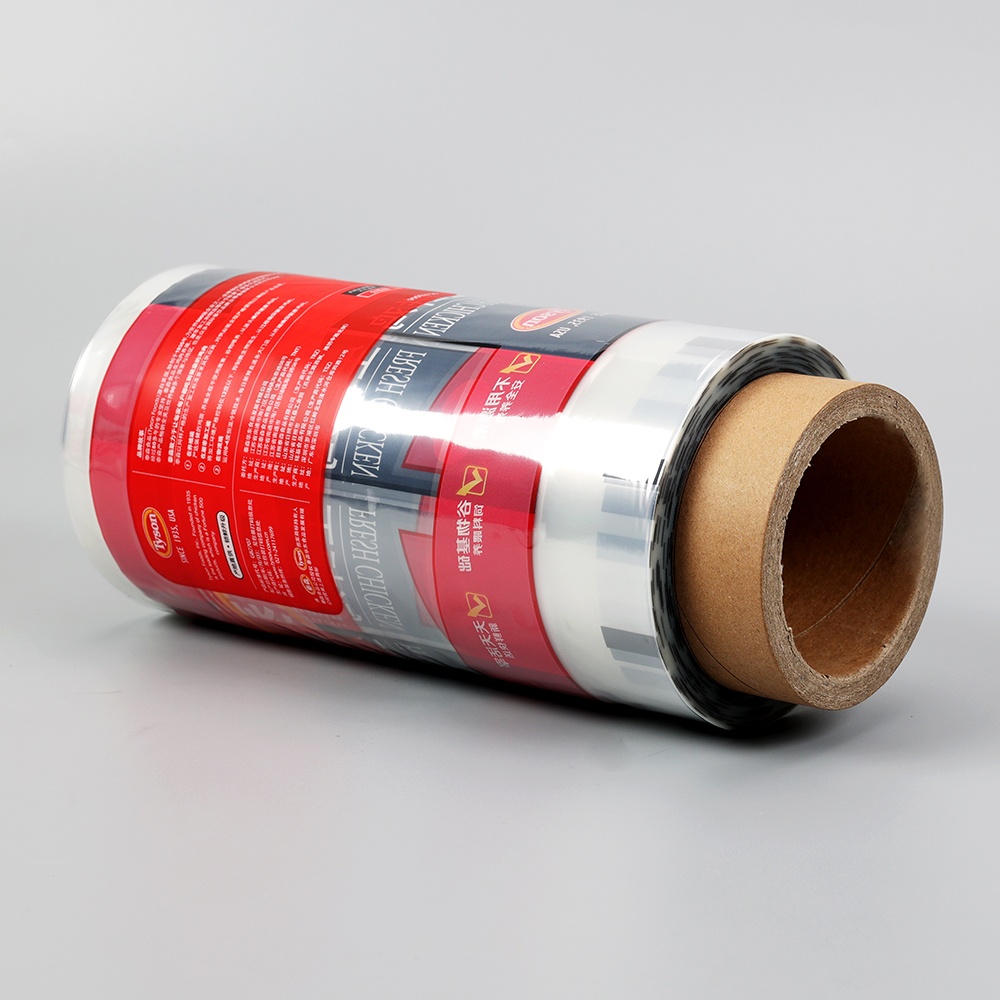
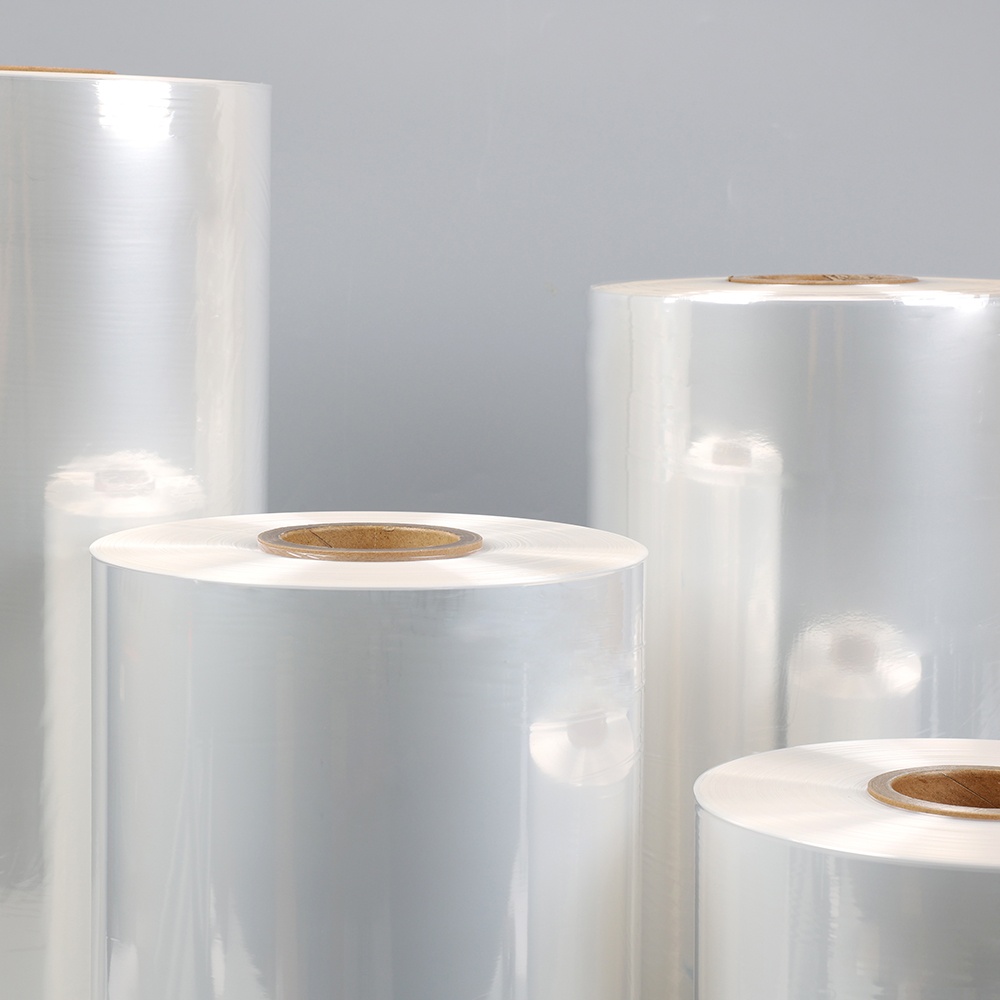
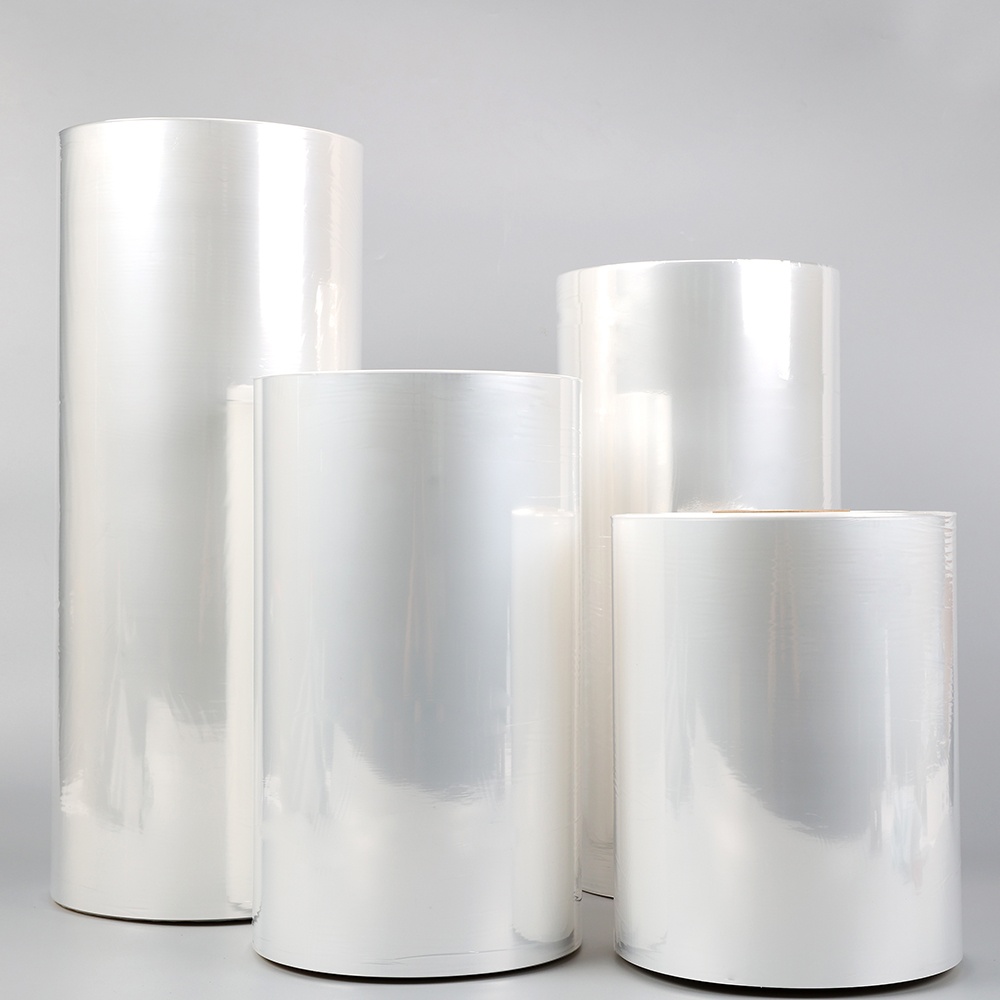
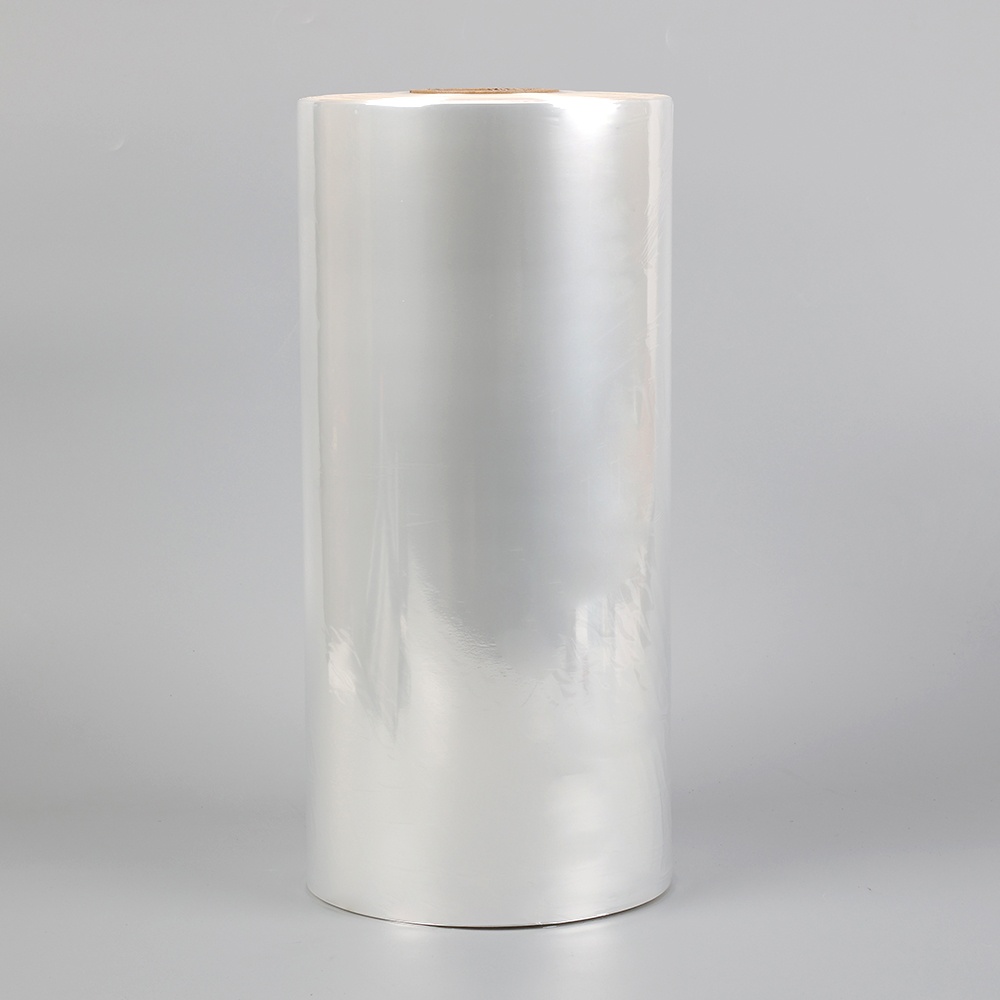
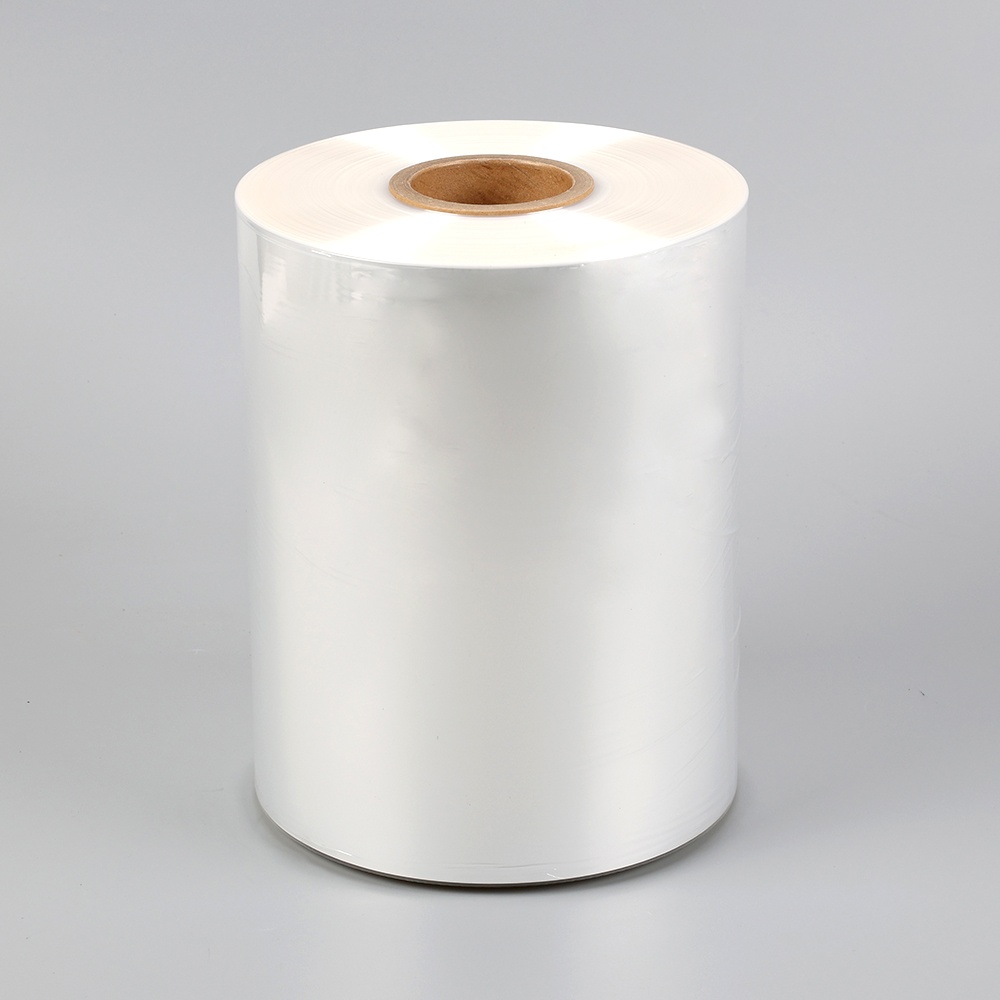
Developed specifically to address the fogging challenges inherent to cold-chain fresh food applications, Zhejiang Zhongcheng Anti-Fog Film employs a proprietary modification process that fundamentally alters how moisture condenses on the film surface. Rather than forming obstructive droplets or white haze, water vapor spreads evenly into a thin, transparent film that dissipates naturally. Compatible with the full cold-chain spectrum — freezing, refrigeration, and ambient transit — the film maintains crystal-clear clarity through repeated temperature cycles, whether during long-haul logistics or extended display in supermarket refrigerated cases. The result is packaging that truthfully showcases the freshness and quality of the product inside, eliminates consumer hesitation at the point of purchase, and bridges the competitive gap that packaging detail so often creates in the cold-chain food sector.
For food manufacturers, competitive differentiation extends far beyond the product itself — packaging details determine the ability to command a premium at retail. By moving away from conventional films prone to fogging, and instead leveraging reliable, long-lasting anti-fog performance across all cold-chain scenarios, brands can uphold their food safety and freshness standards while ensuring the true quality of every product is presented clearly and convincingly.
Easy-Tear POF Heat Shrink Film: Elevating the Unboxing Experience Across Diverse Packaging Applications
Why Does Your Product Packaging Look Subpar? The Root Causes Lie Right Here
Mobile site

alibaba
Copyright © 2023 Zhejiang Zhongcheng Packing Material Co., Ltd. All Rights Reserved. Privacy Polyolefin Shrink Film Manufacturers