
 English
 русский
 Español
Home / News / Industry News / Why Does Your Product Packaging Look Subpar? The Root Causes Lie Right Here
Many manufacturers face the same dilemma: they have high-quality goods at reasonable prices paired with elaborately designed packaging, yet the finished wrap looks cheap, poorly contoured and ill-fitted. Such packaging fails to elevate product grade and is prone to tearing, wrinkling and film detachment, ruining in-store display and consumer experience. In most cases, shoddy packaging results not from flawed design, but overlooked fundamental details including improper POF film selection, inadequate processing and poor equipment compatibility.
First and foremost, mismatched packaging materials for application scenarios constitute the primary culprit. Numerous brands only focus on visual aesthetics while ignoring POF film requirements determined by product characteristics and storage & transit conditions. For instance, regular modified atmosphere lidding films tend to warp with moisture and split at seals when used for high-humidity items like fresh produce and prepared meals. Rigid industrial goods and dry groceries with sharp edges will easily puncture low puncture-resistance POF films during shipment. Different product categories demand distinct levels of shrinkage rate, flexibility, sealing performance and temperature tolerance from POF films. Indiscriminately using a one-size-fits-all film will inevitably compromise the final packaging outcome.
Second, insufficient control over POF film heat shrinkage processes leads to unsatisfactory wrapping. Neat, tight film wrapping relies entirely on consistent thermal shrinkage. Many generic POF films on the market suffer from uneven and insufficient shrinkage, leaving wrinkles and bulging corners after wrapping products. In addition, mismatched heat-sealing temperatures and inconsistent sealing pressure cause partial seal separation and micro-leakage. Apart from creating an unrefined appearance, these defects weaken basic protective functions such as dustproofing, moisture resistance and fresh-keeping — a major reason loose, unattractive packaging is so prevalent.
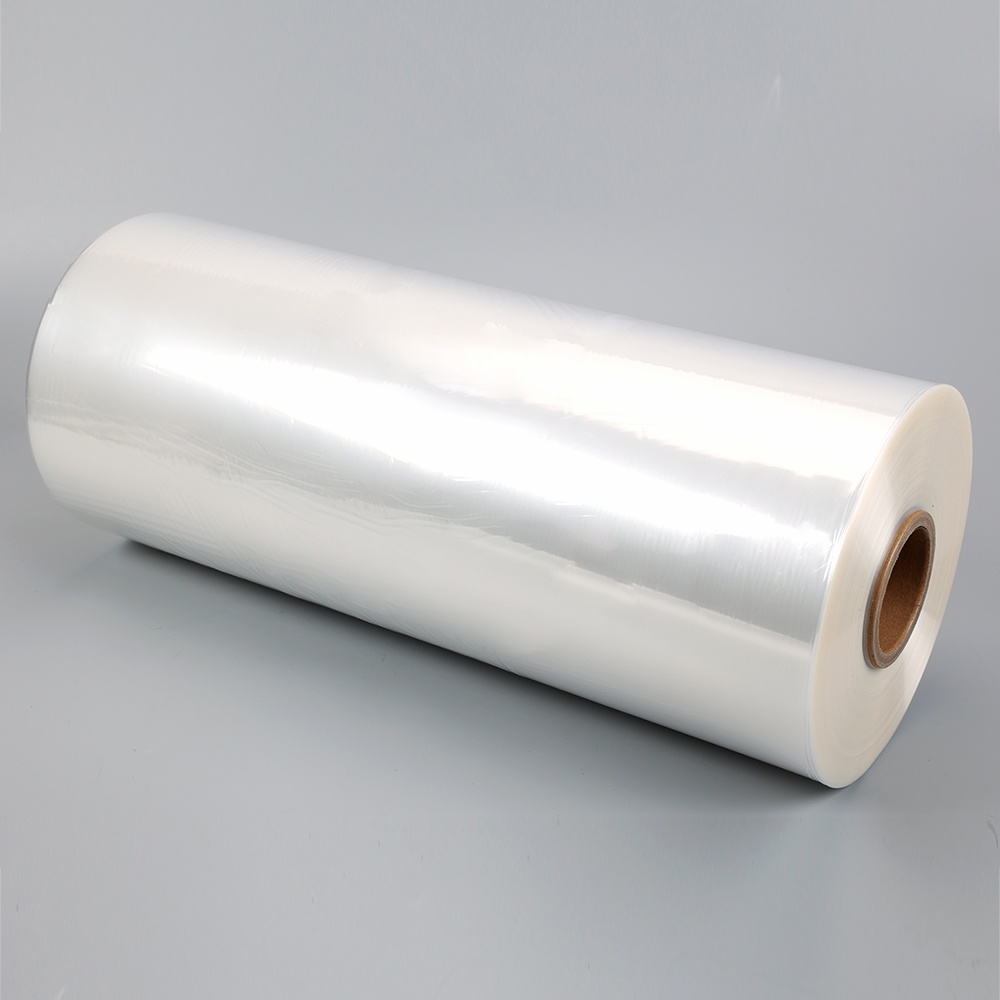
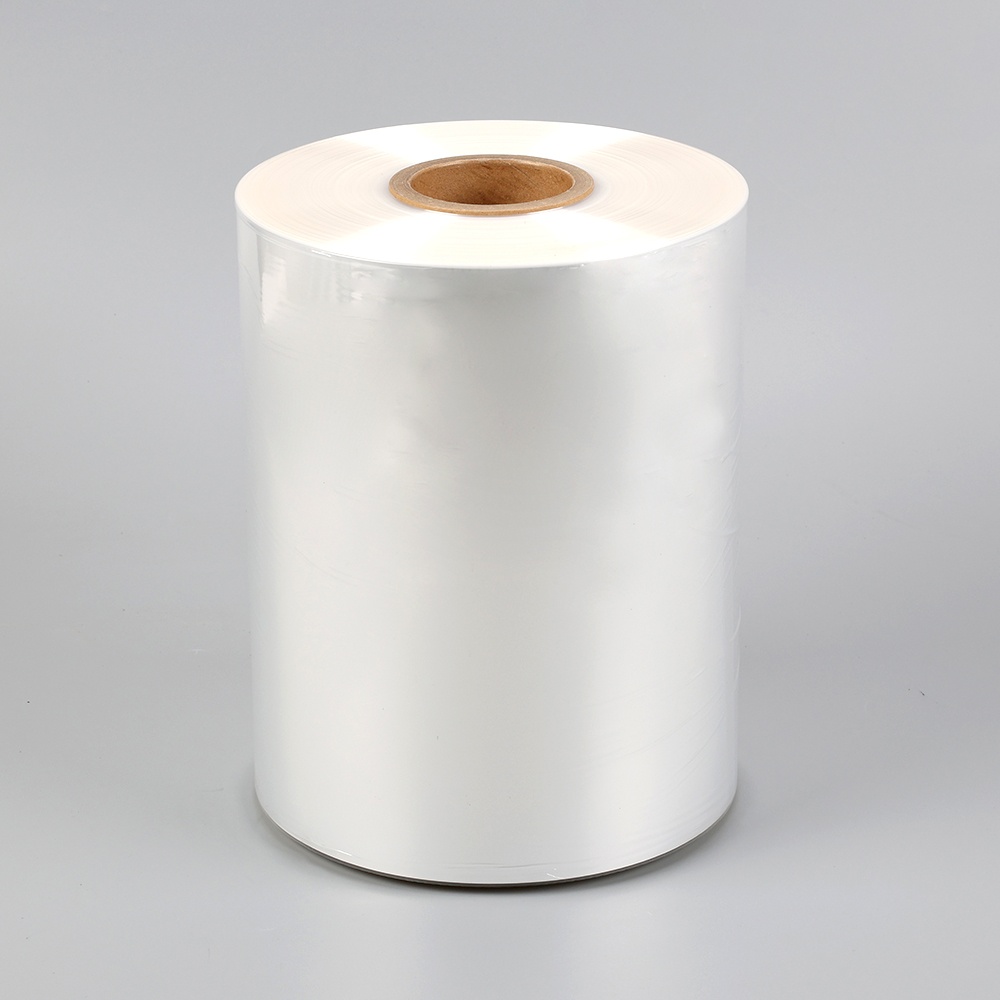
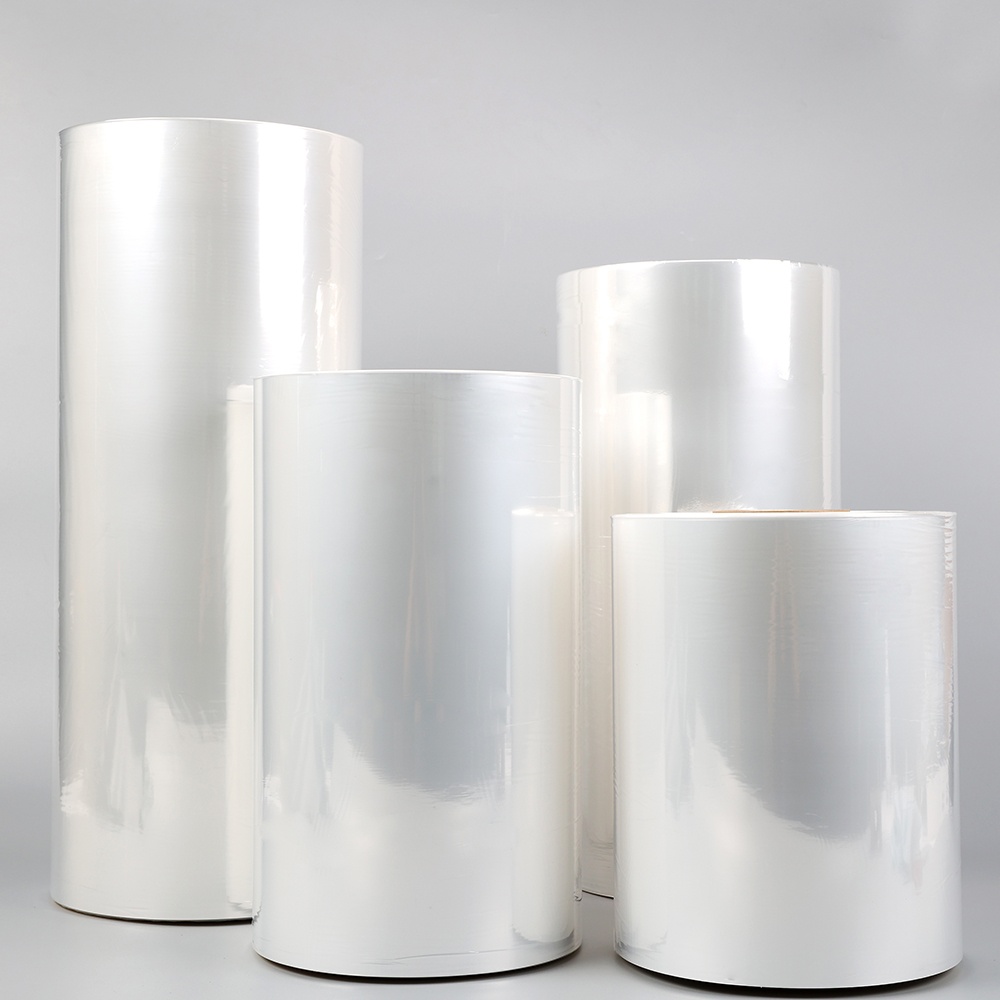
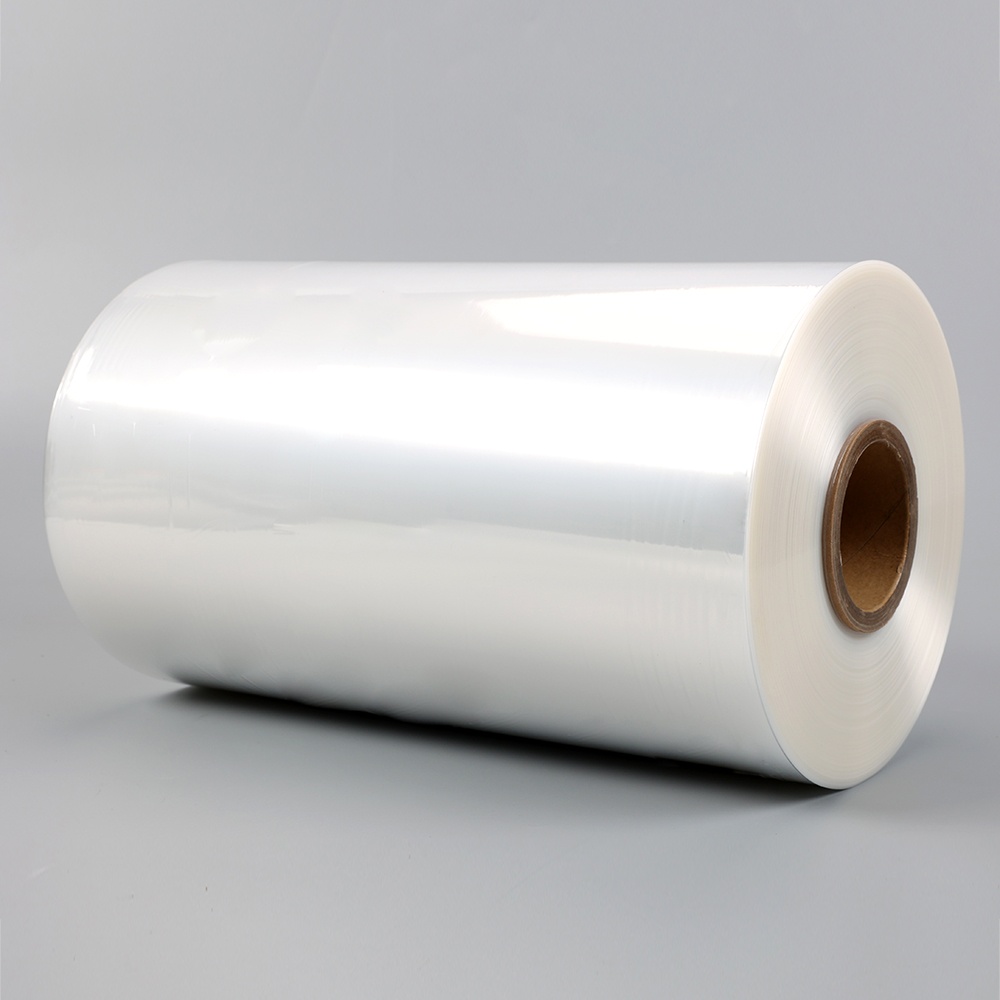
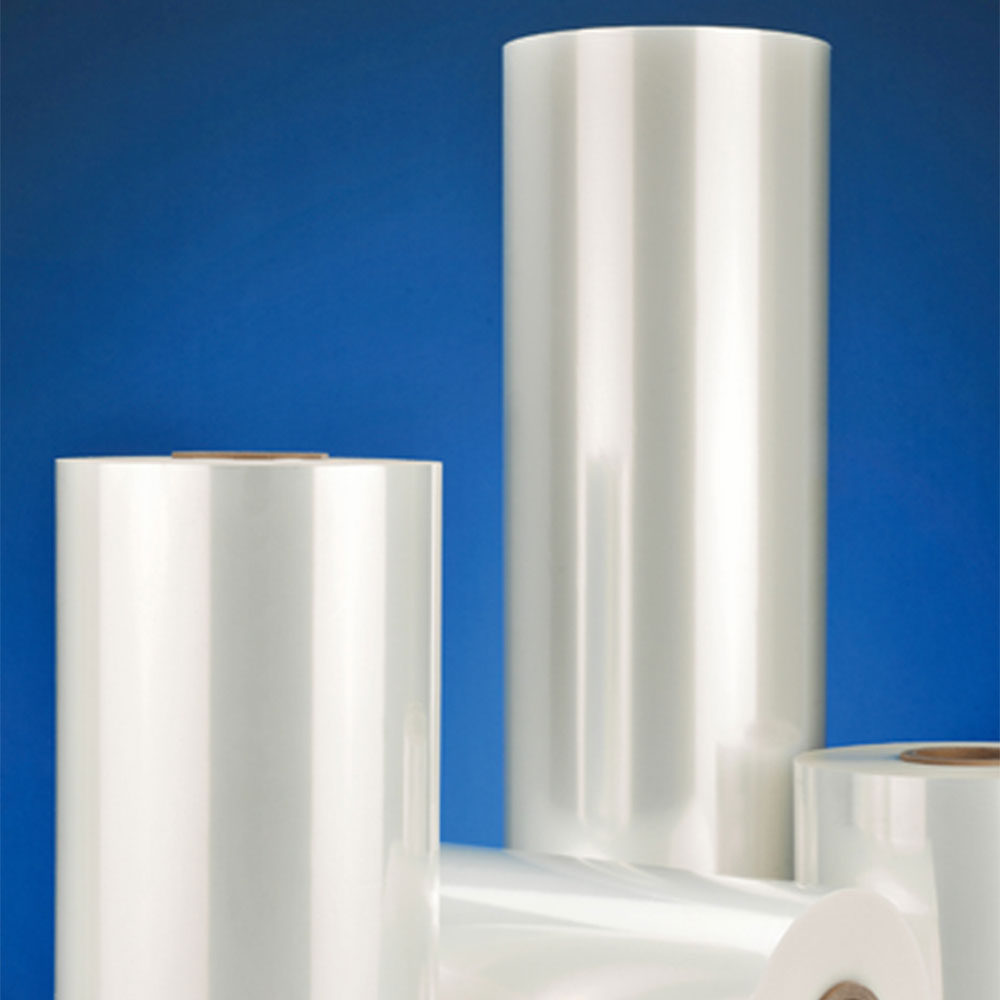
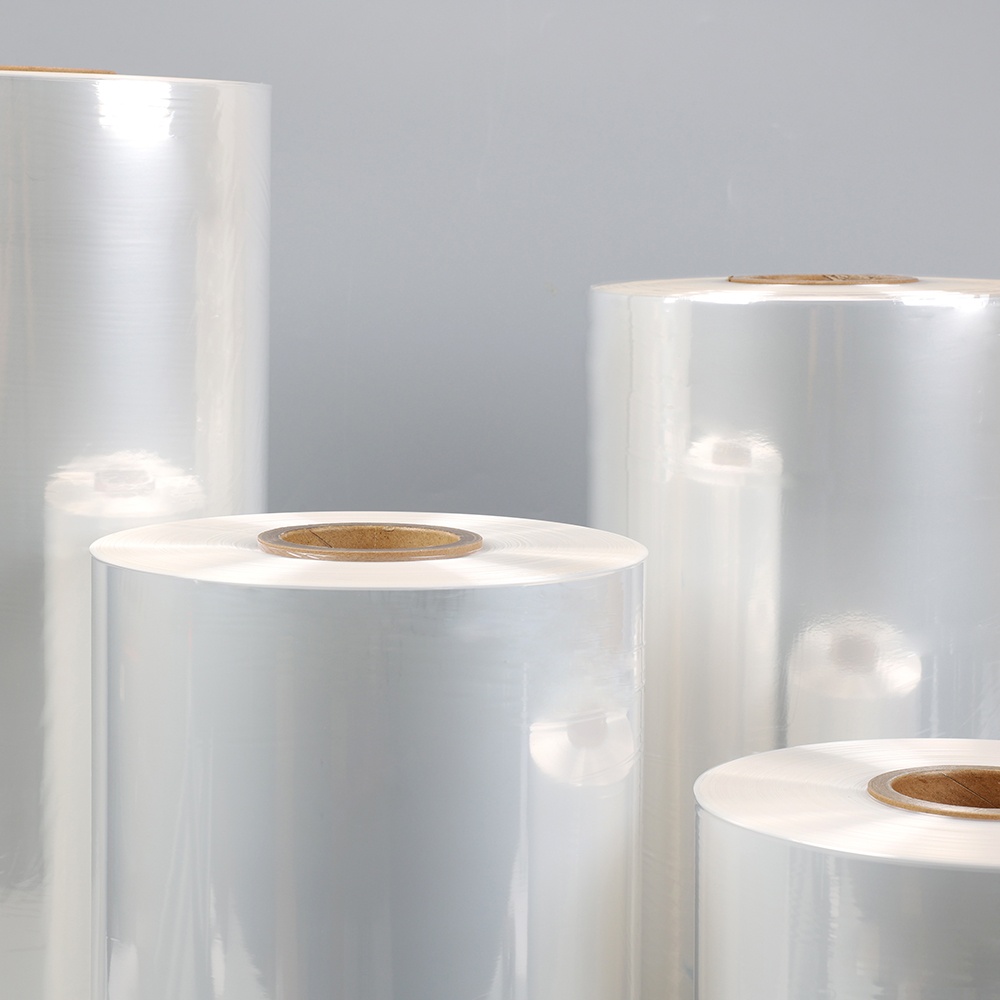
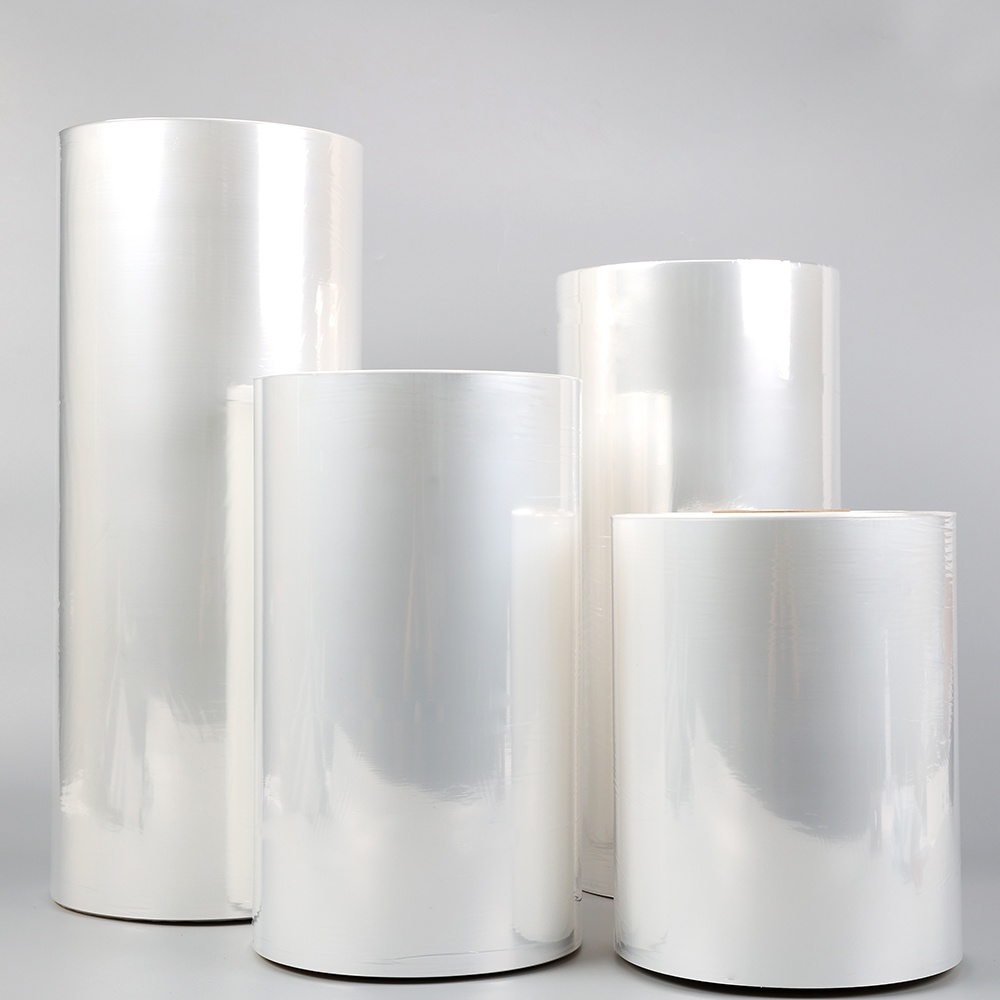
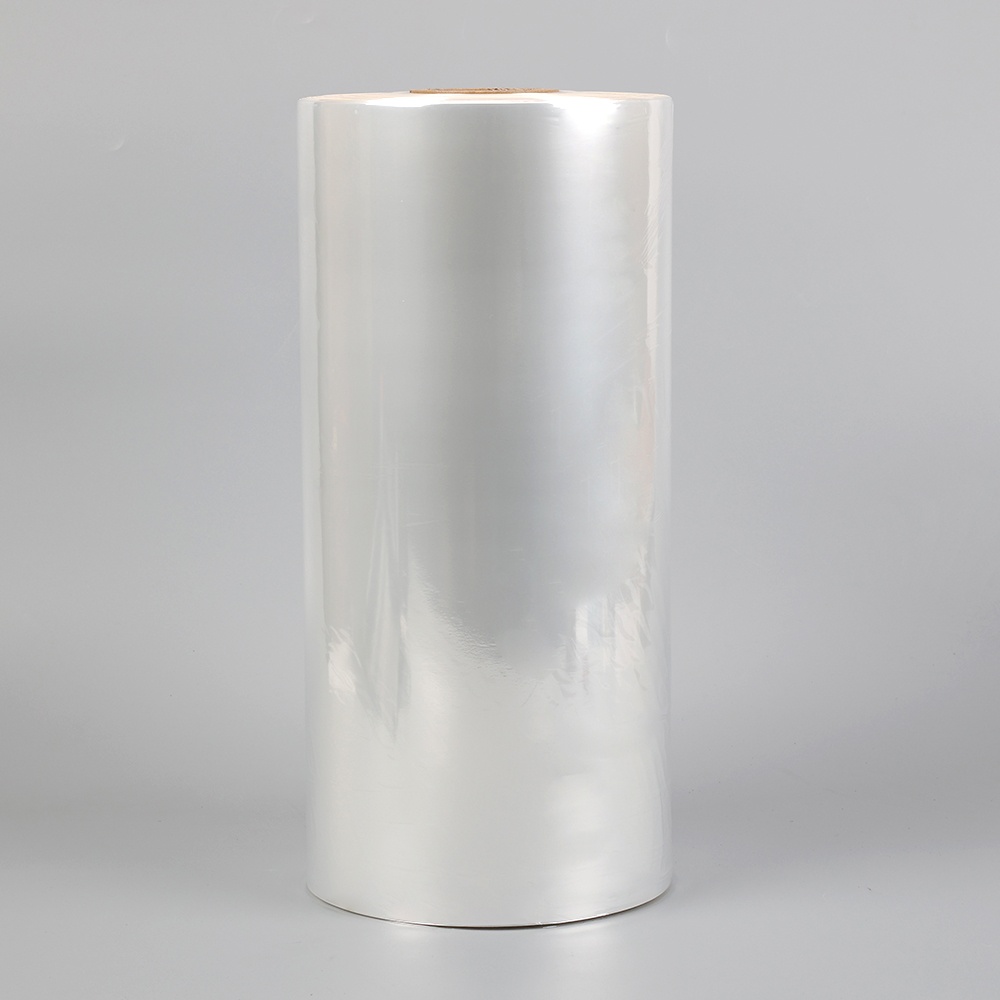
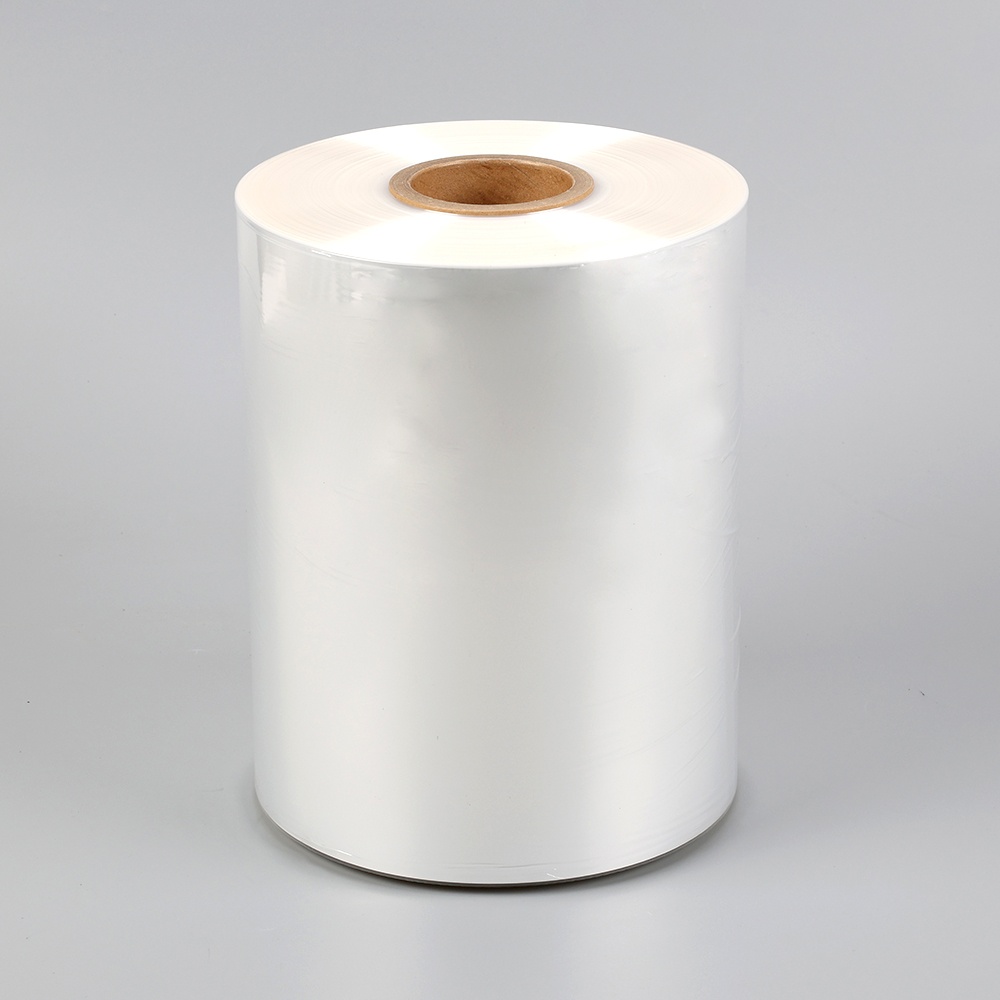
The core purpose of packaging is product protection and quality demonstration. Attractive, durable packaging hinges on well-matched materials and sophisticated manufacturing techniques. As a domestic industry leader in POF heat shrink films, Zhejiang Zhongcheng leverages mature production workflows to strictly control film uniformity of shrinkage, optical clarity, flatness, puncture resistance and temperature tolerance. Our films cater to packaging needs across food, daily consumer goods, industrial supplies and more. We eliminate wrinkles, film peeling, breakage and low-end appearance from the material source, delivering smooth, taut, crystal-clear premium wrapping for every product and helping brands deliver outstanding visual and quality presentation at retail terminals.

Perfect Produce, Poor Packaging: How Fogging Is Costing You at the Shelf
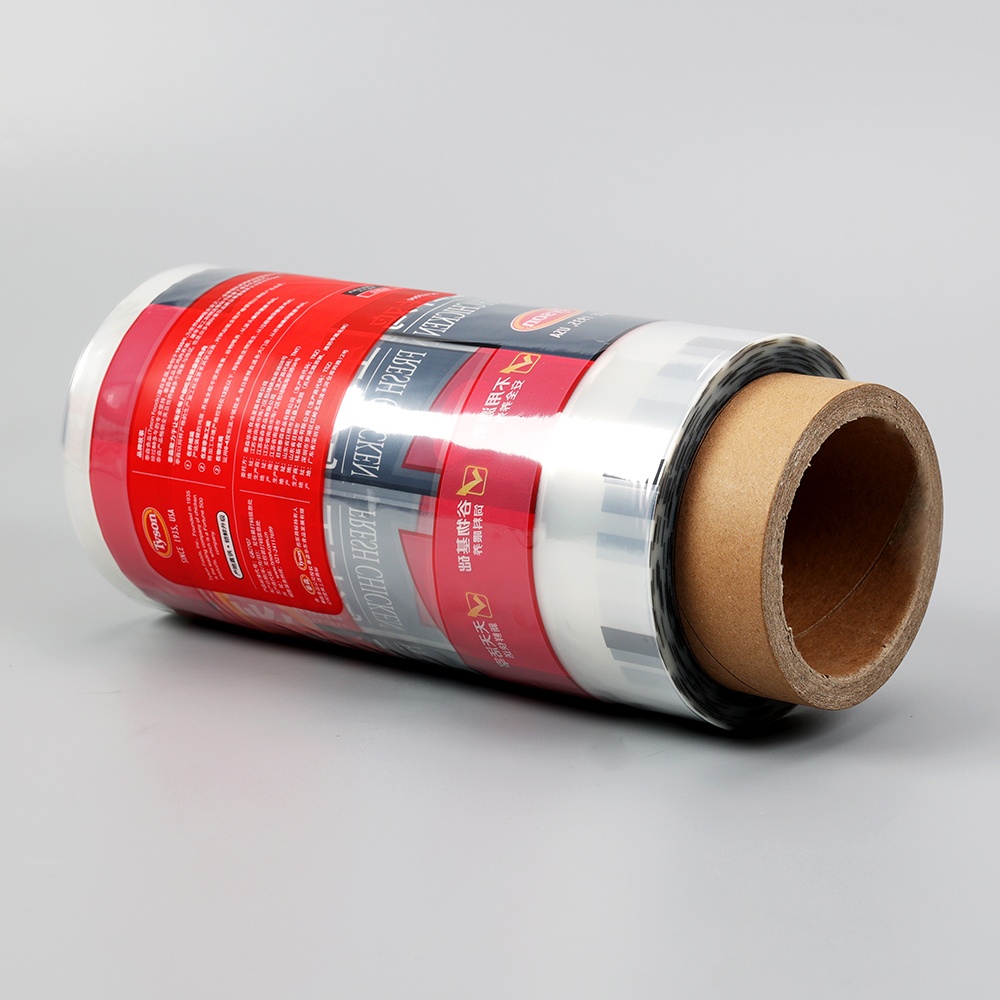
Printing? Perforation? Anti-static Treatment? POF Film Is Fully Customizable!
Mobile site

alibaba
Copyright © 2023 Zhejiang Zhongcheng Packing Material Co., Ltd. All Rights Reserved. Privacy Polyolefin Shrink Film Manufacturers