
 English
 русский
 Español
Home / News / Industry News / The Invisible Shield: How EVOH High Barrier Shrink Film Protects Our Food
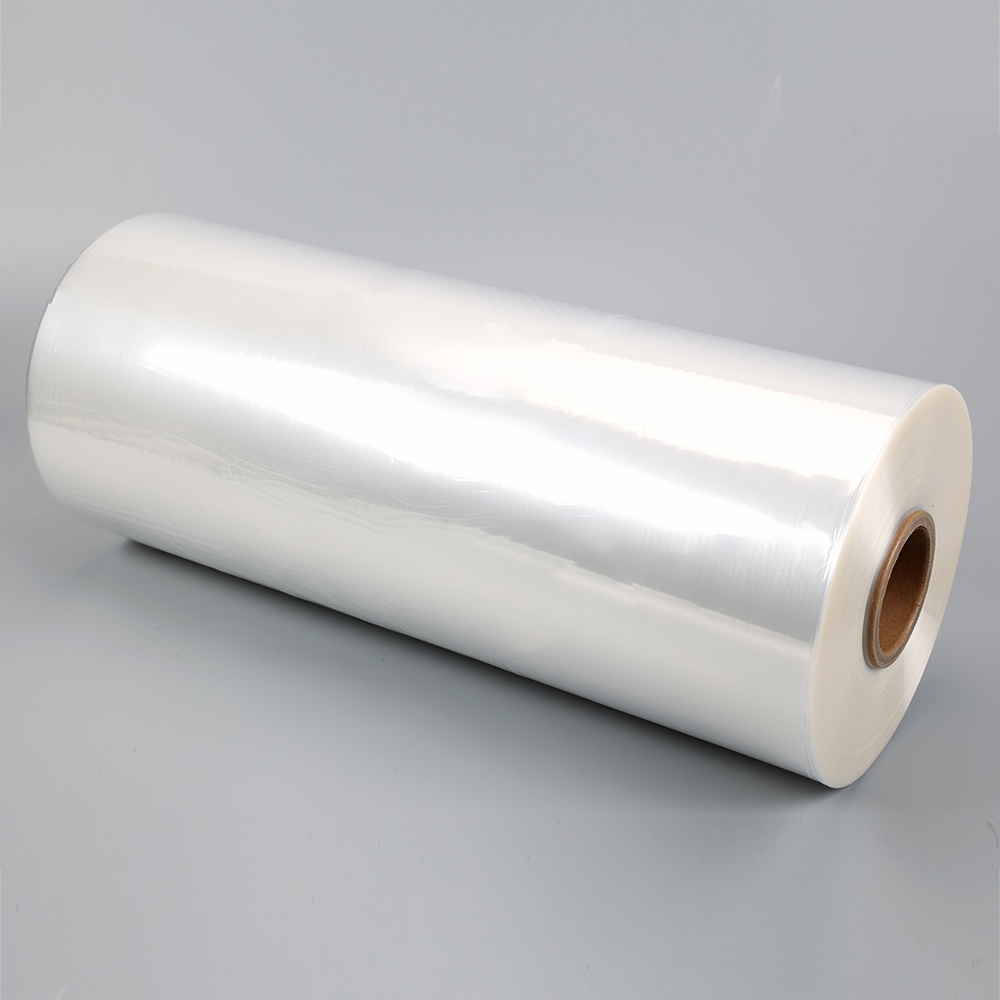
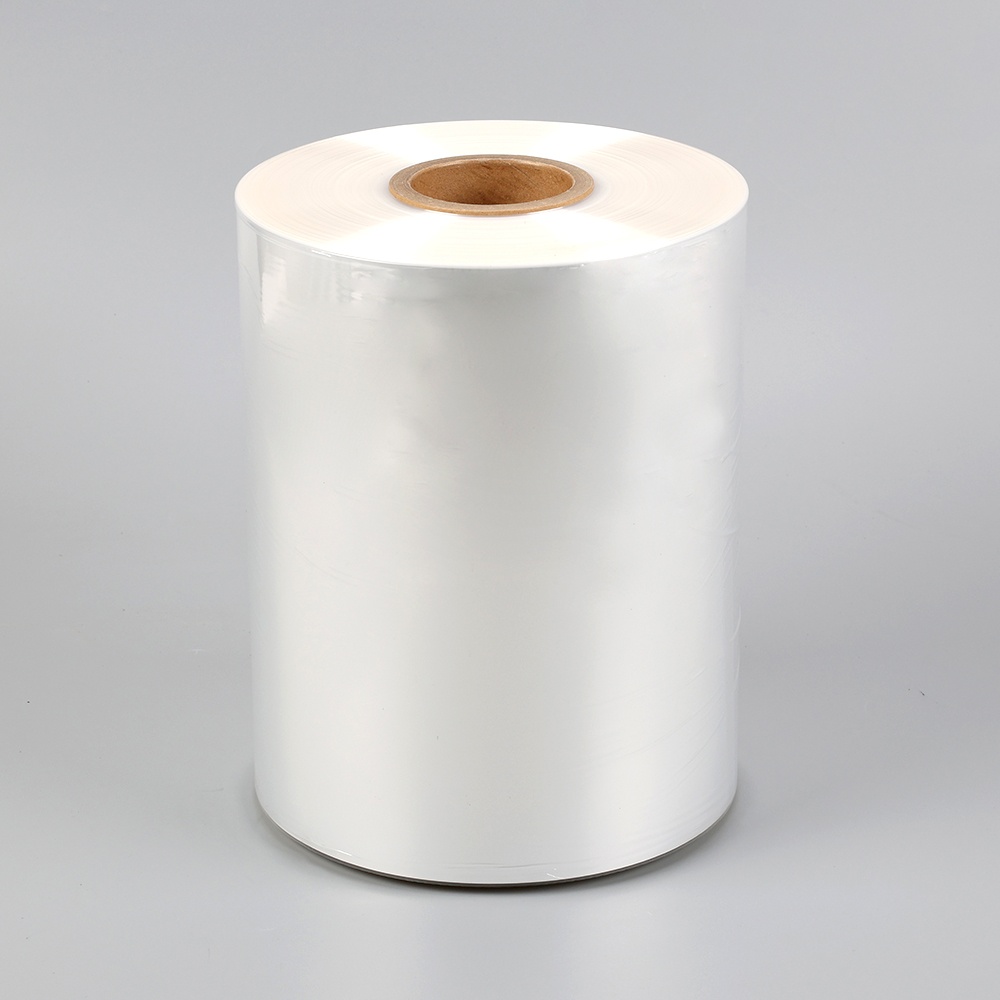
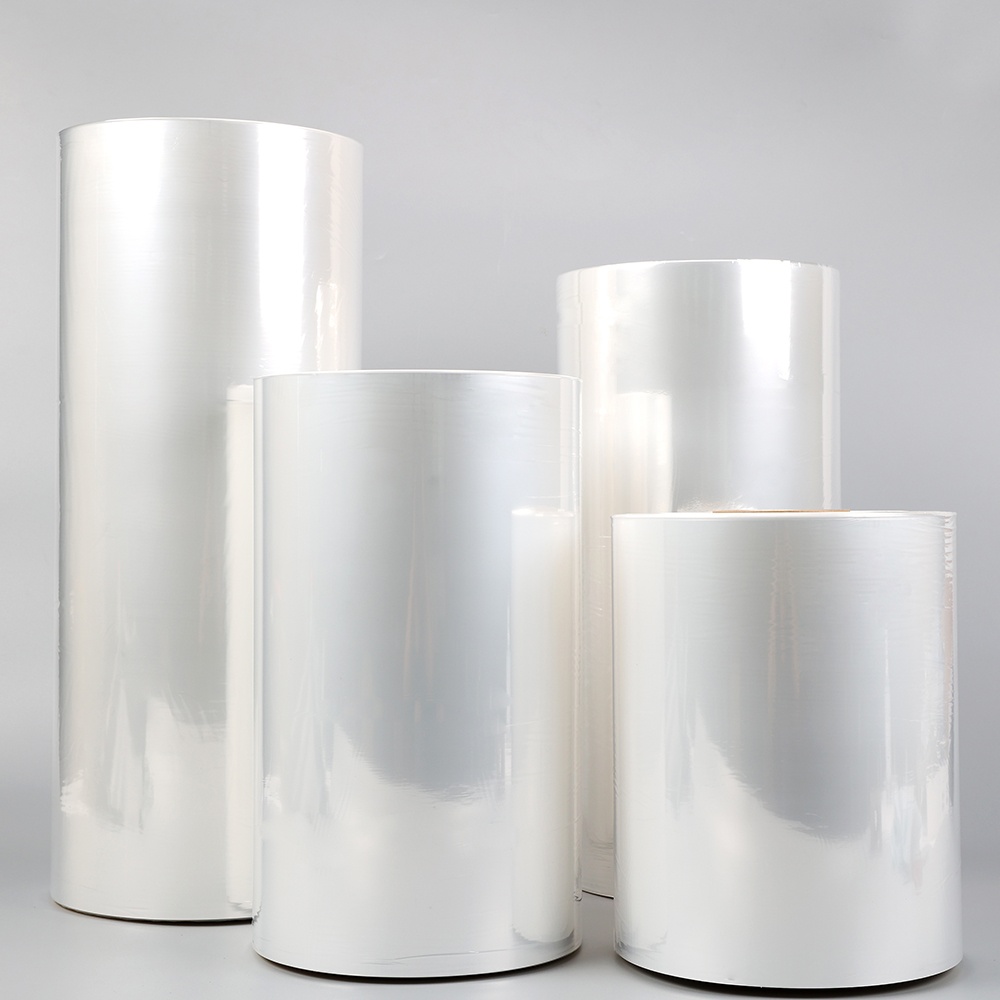
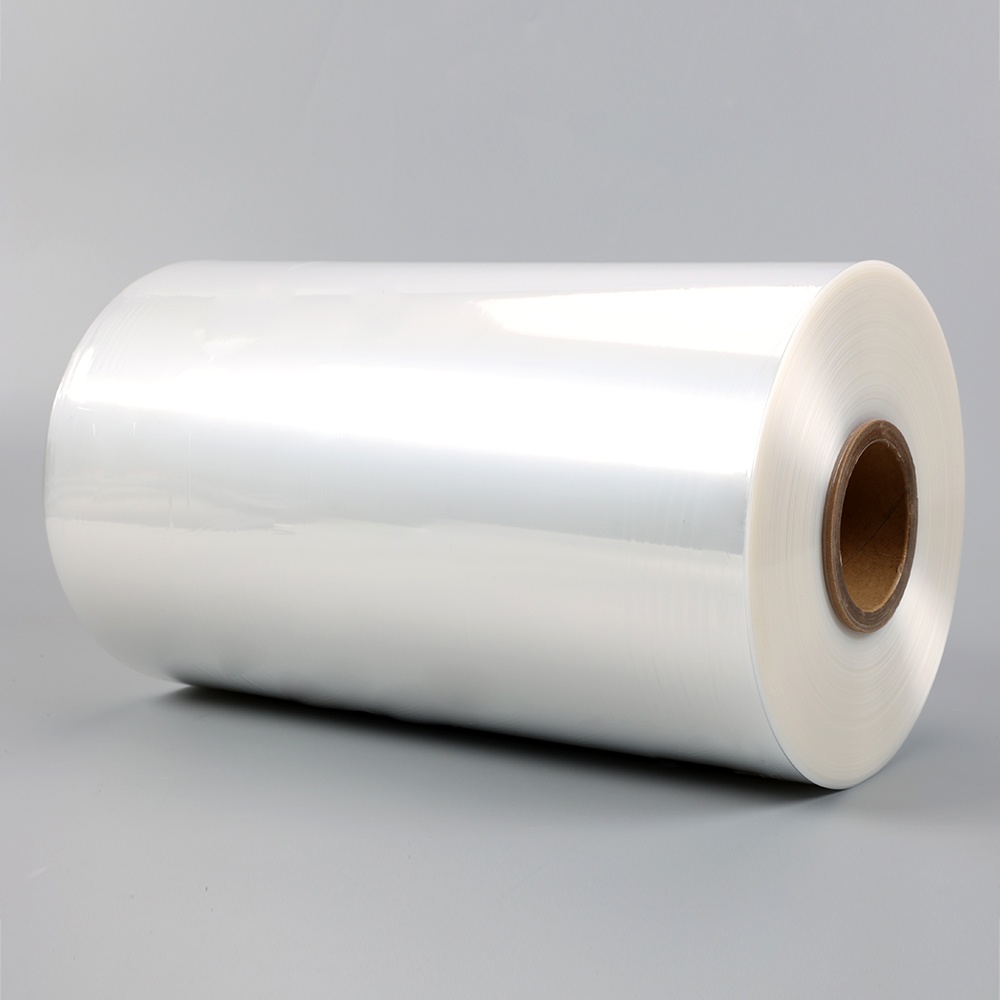
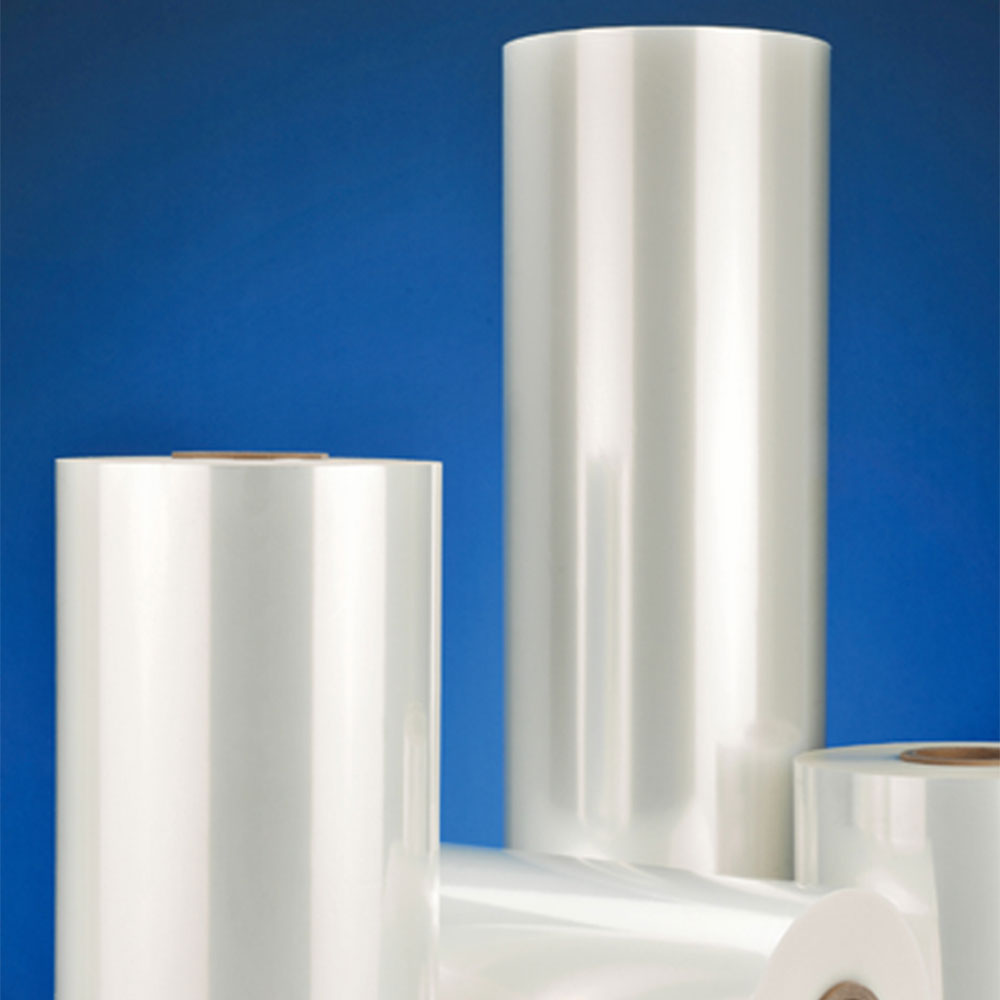
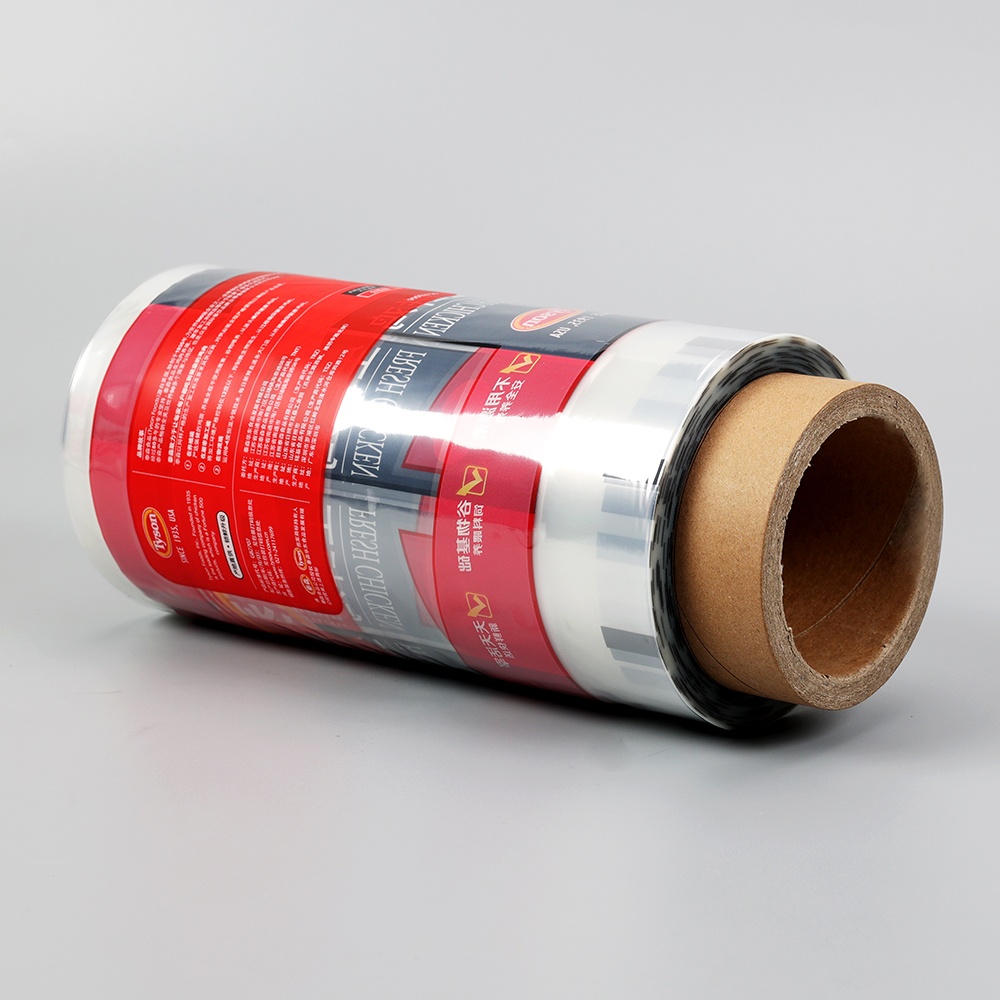
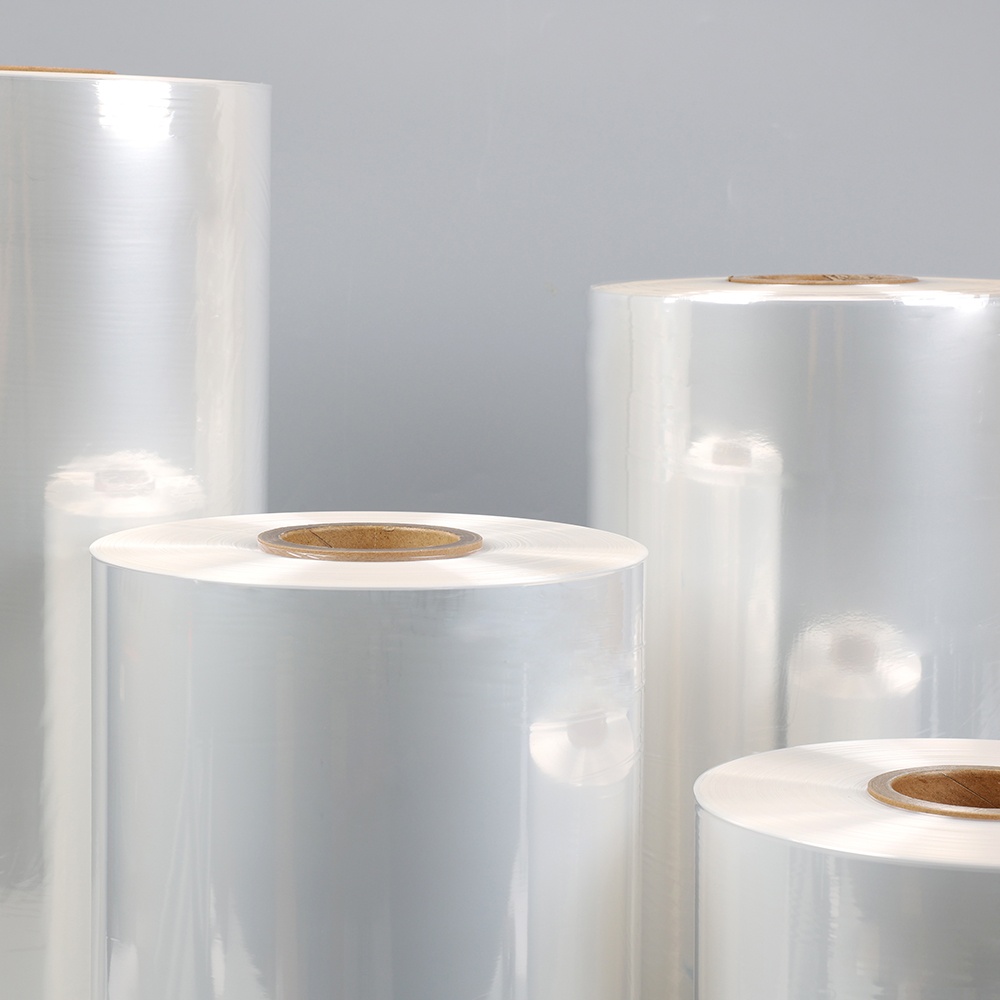
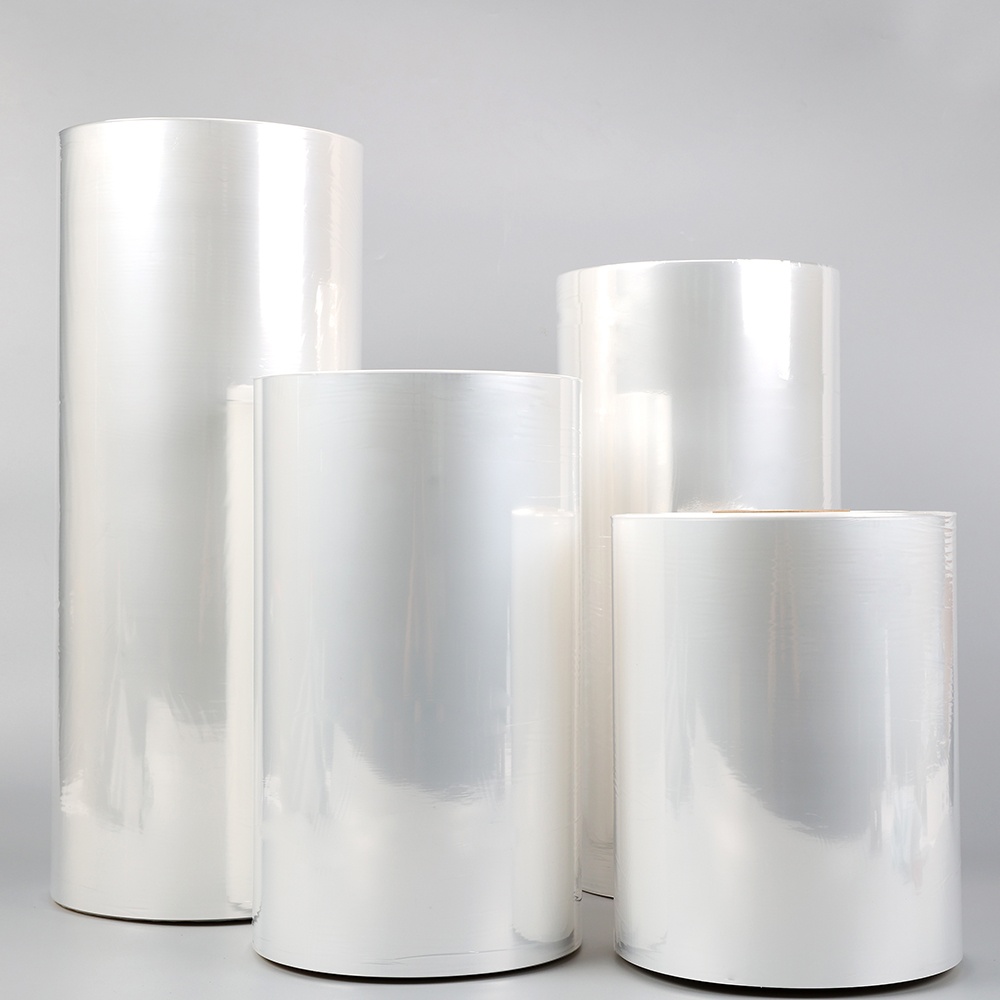
In our modern world, the journey of food from the farm to our fork can span thousands of miles and many days. Ensuring that this food remains fresh, safe, and appealing is a monumental task, largely entrusted to the science of packaging. For decades, packaging has been evolving, but few innovations have been as impactful as the development of high-barrier films. At the forefront of this technology is EVOH High Barrier Shrink Film, a seemingly simple material that plays a critical role in minimizing food waste and extending shelf life globally.
Food spoilage is a complex process driven primarily by three factors:
Oxygen is essential for life, but it is the enemy of food freshness. It reacts with fats and oils, causing rancidity, and it allows aerobic microbes (like mold and some bacteria) to thrive. Most standard plastics, like polyethylene (PE), allow a significant amount of oxygen to pass through them.
Maintaining the correct moisture level is crucial. If food loses too much moisture, it dries out and loses its texture. If it gains too much, it can become soggy and create an environment for microbial growth.
Foods contain volatile aromatic compounds that contribute to their unique flavor. Without a proper barrier, these desirable compounds can escape, leading to flavor loss, or undesirable odors from the environment can enter the package.
To solve the problem of oxygen permeation, scientists turned to a special polymer called EVOH, or Ethylene-Vinyl Alcohol Copolymer.
The secret to EVOH’s effectiveness lies in its chemical structure. The presence of numerous hydroxyl (OH) groups makes the polymer highly resistant to gas transmission, particularly oxygen. In fact, EVOH is thousands of times more effective at blocking oxygen than common packaging plastics.
While EVOH is a fantastic oxygen blocker, it has one major drawback: its barrier properties are highly sensitive to humidity. When exposed to moisture, the hydroxyl groups in EVOH absorb the water, which slightly weakens the barrier structure and increases its oxygen transmission rate.
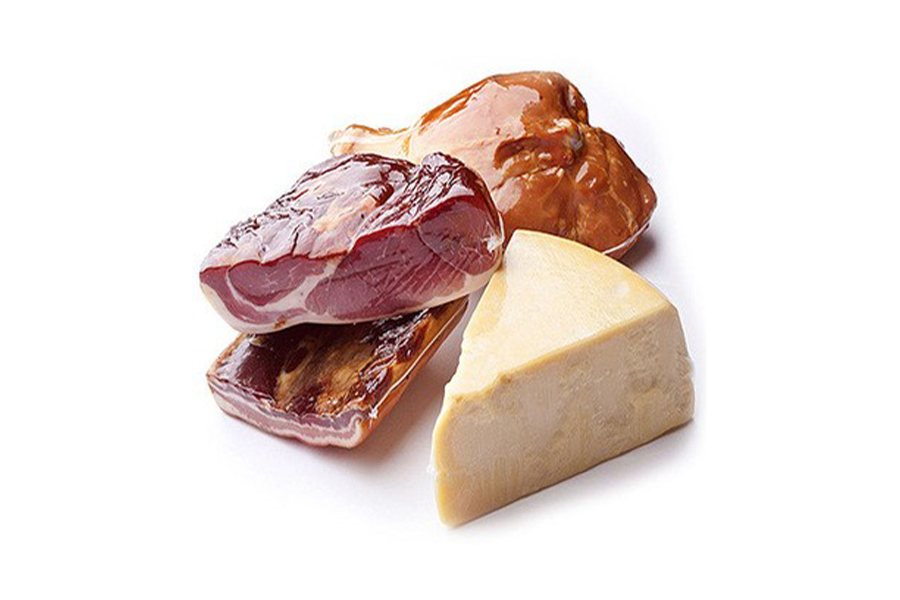
To overcome EVOH’s moisture sensitivity and create a practical packaging solution, engineers designed a multi-layer structure, which is the basis of EVOH High Barrier Shrink Film.
A typical high-barrier film is not a single layer, but a sophisticated “sandwich” of several different plastics, each performing a specific function. A common structure might look like this:
This layered approach ensures that the EVOH core is shielded from moisture by the outer layers, allowing it to maintain its exceptional oxygen barrier properties.
The “shrink” component of EVOH High Barrier Shrink Film refers to the film’s ability to contract tightly when heat is applied.
EVOH High Barrier Shrink Film is a workhorse in the food industry, most commonly used for products that need a long, safe shelf life without preservatives.
By dramatically extending the shelf life of food, this technology has a profound impact:
As global demand for convenience, safety, and sustainability increases, the technology behind EVOH High Barrier Shrink Film continues to evolve. Researchers are developing bio-based barrier polymers and exploring ways to make the multi-layer films easier to recycle without compromising their essential protective functions. The invisible shield of high-barrier packaging will continue to be a vital component of the global food system for years to come.
Why Cross-Linked Shrink Film is Becoming the Industry Standard for High-Durability Packaging
The Second Life of Plastic: Unpacking PCR Cross-Linked Shrink Film
Mobile site

alibaba
Copyright © 2023 Zhejiang Zhongcheng Packing Material Co., Ltd. All Rights Reserved. Privacy Polyolefin Shrink Film Manufacturers