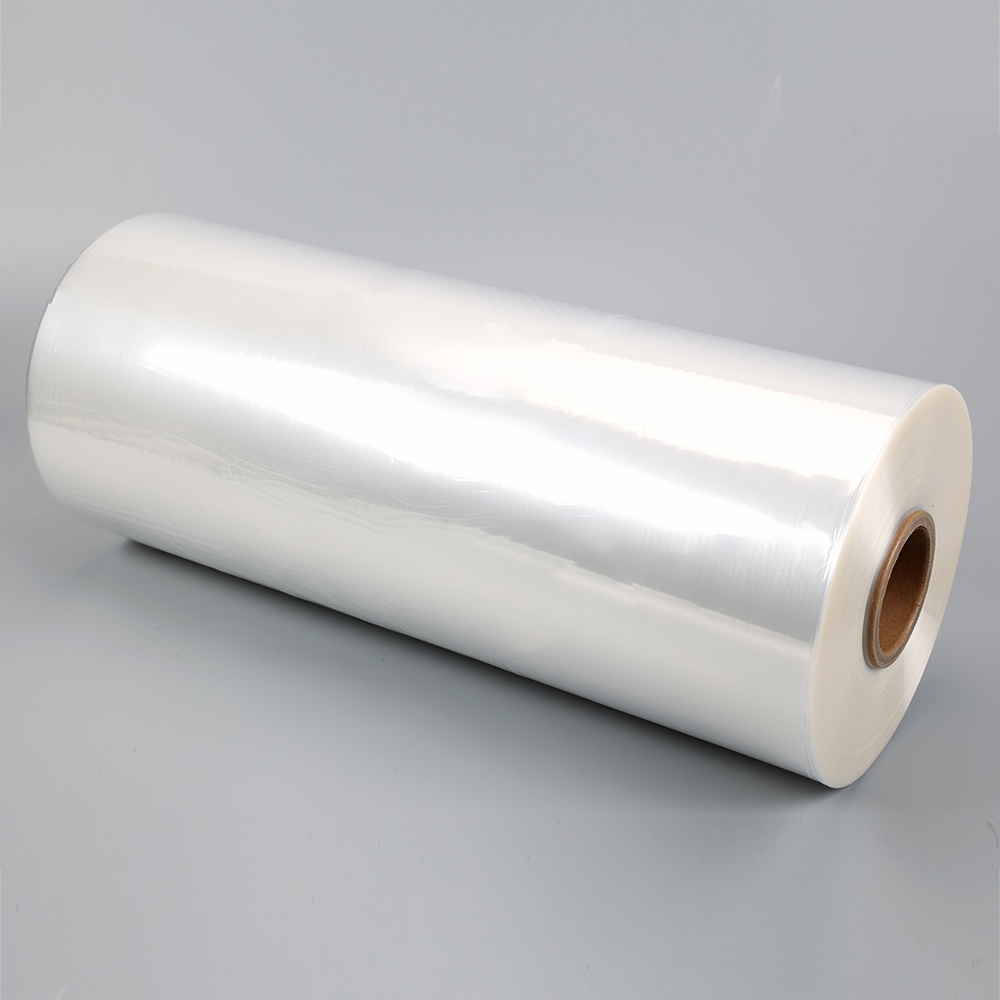
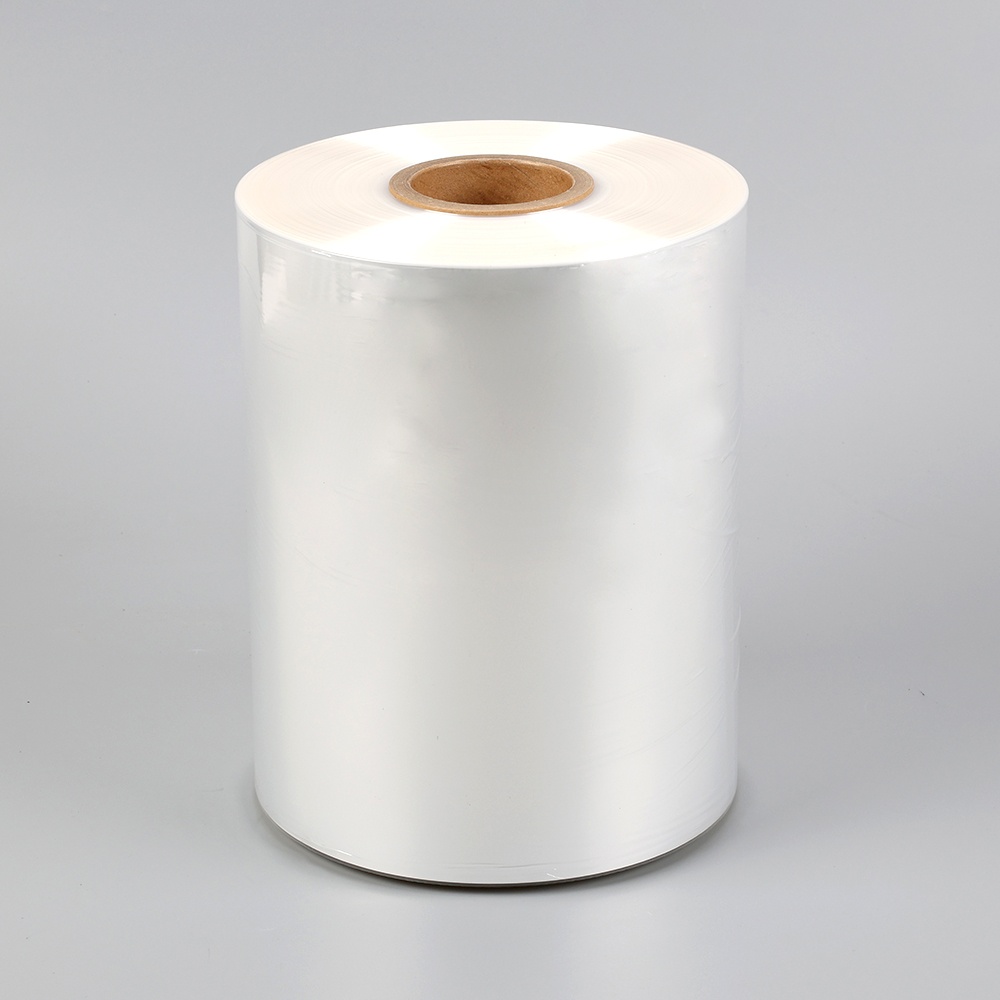
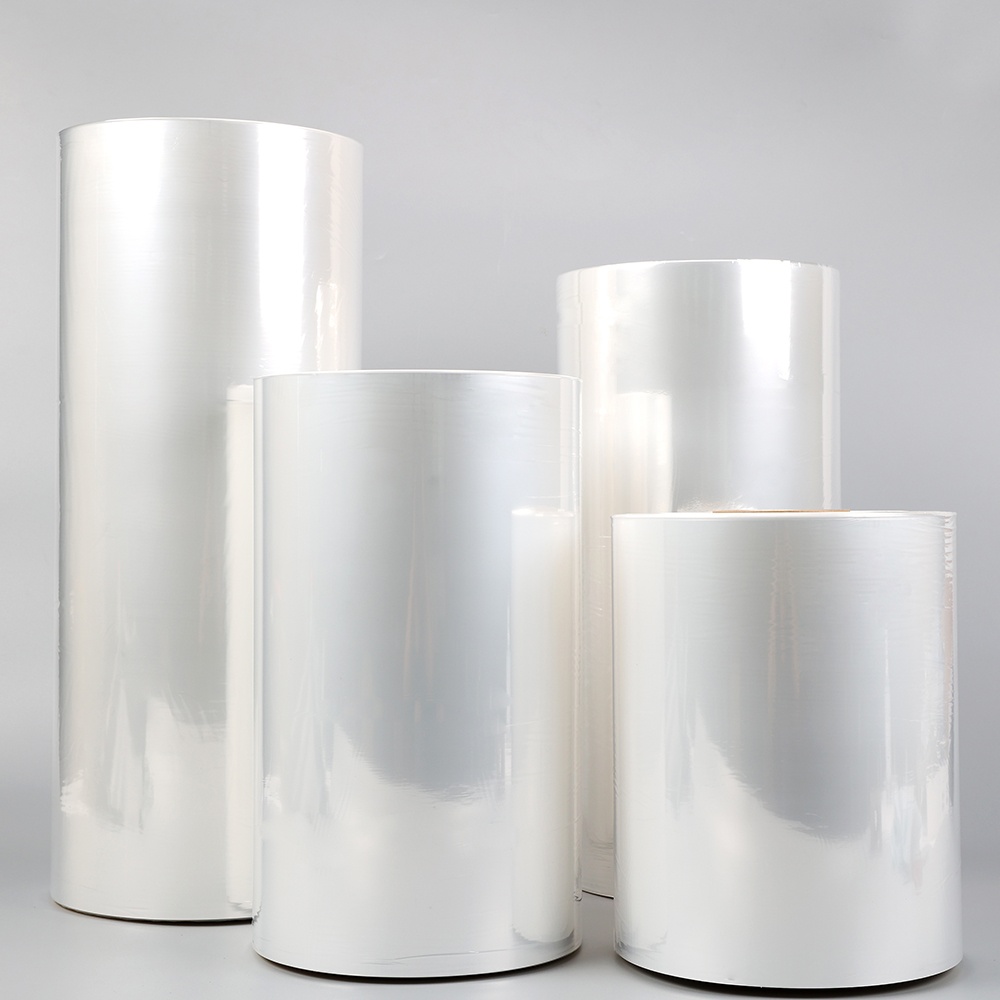
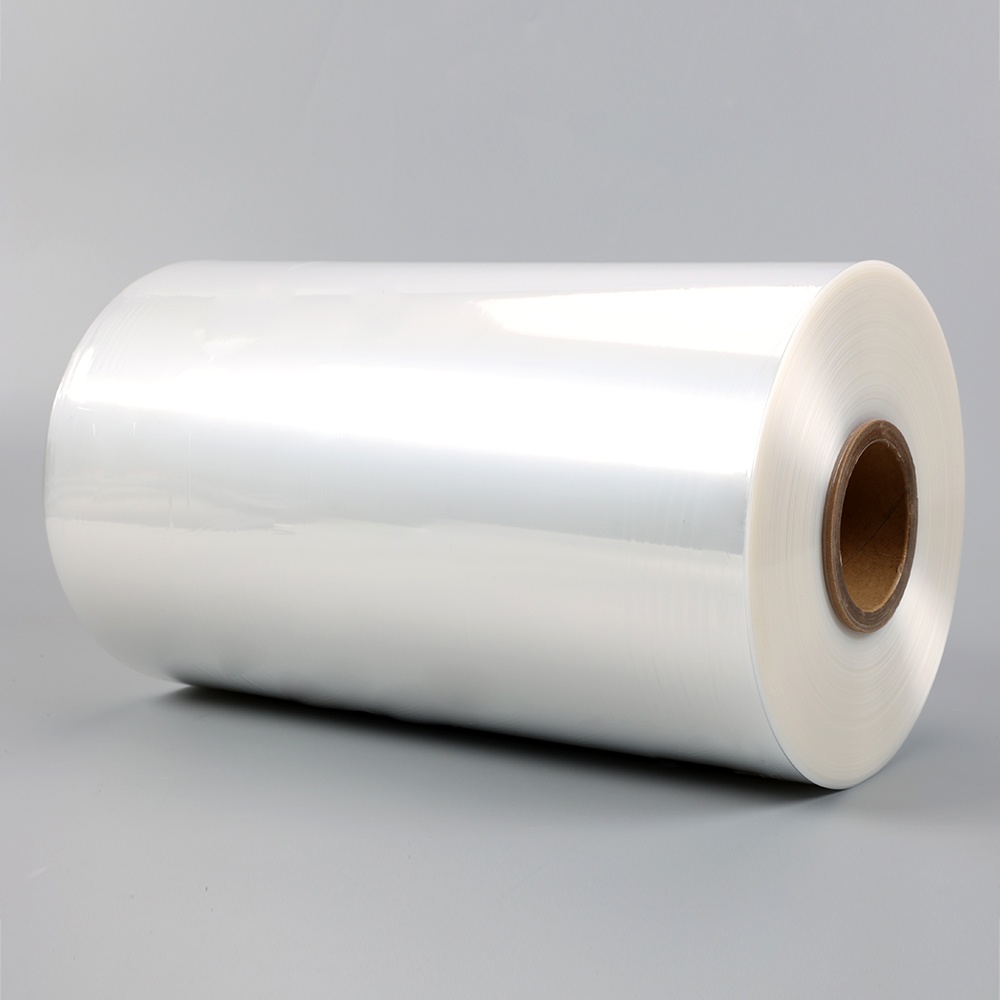
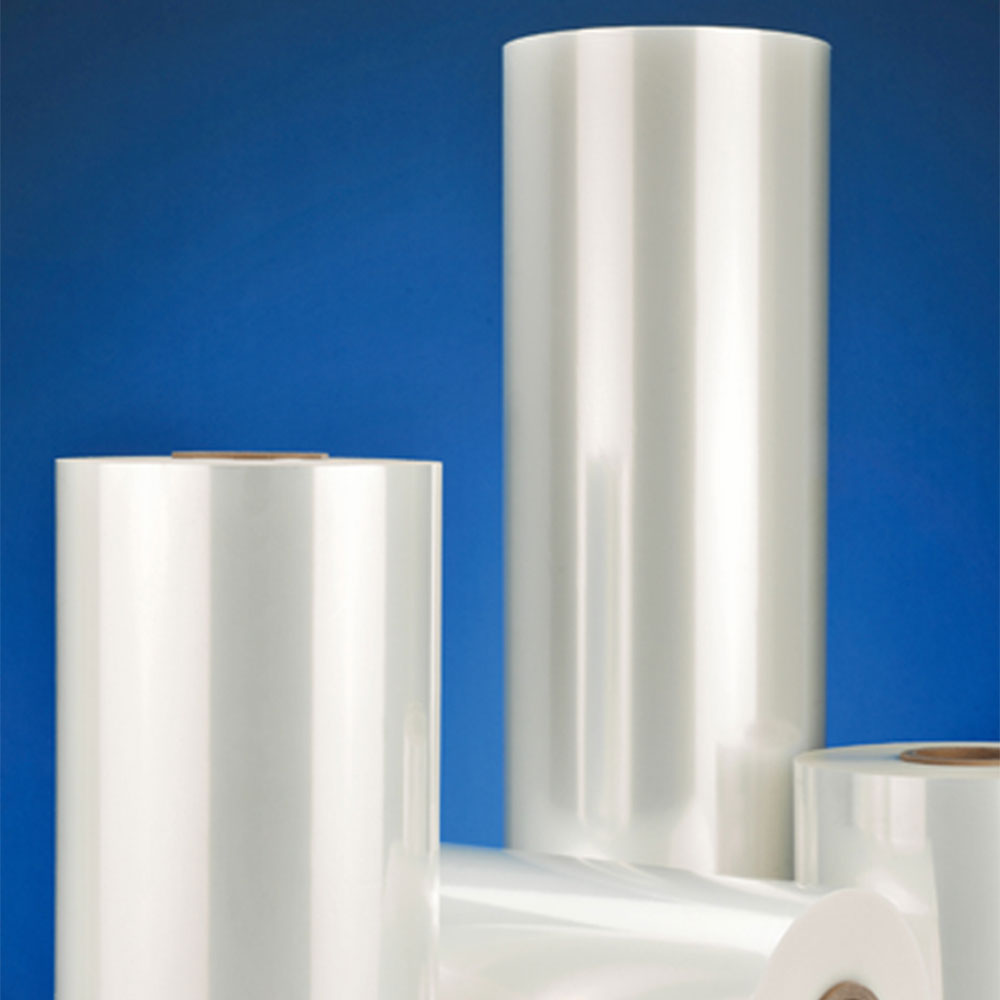
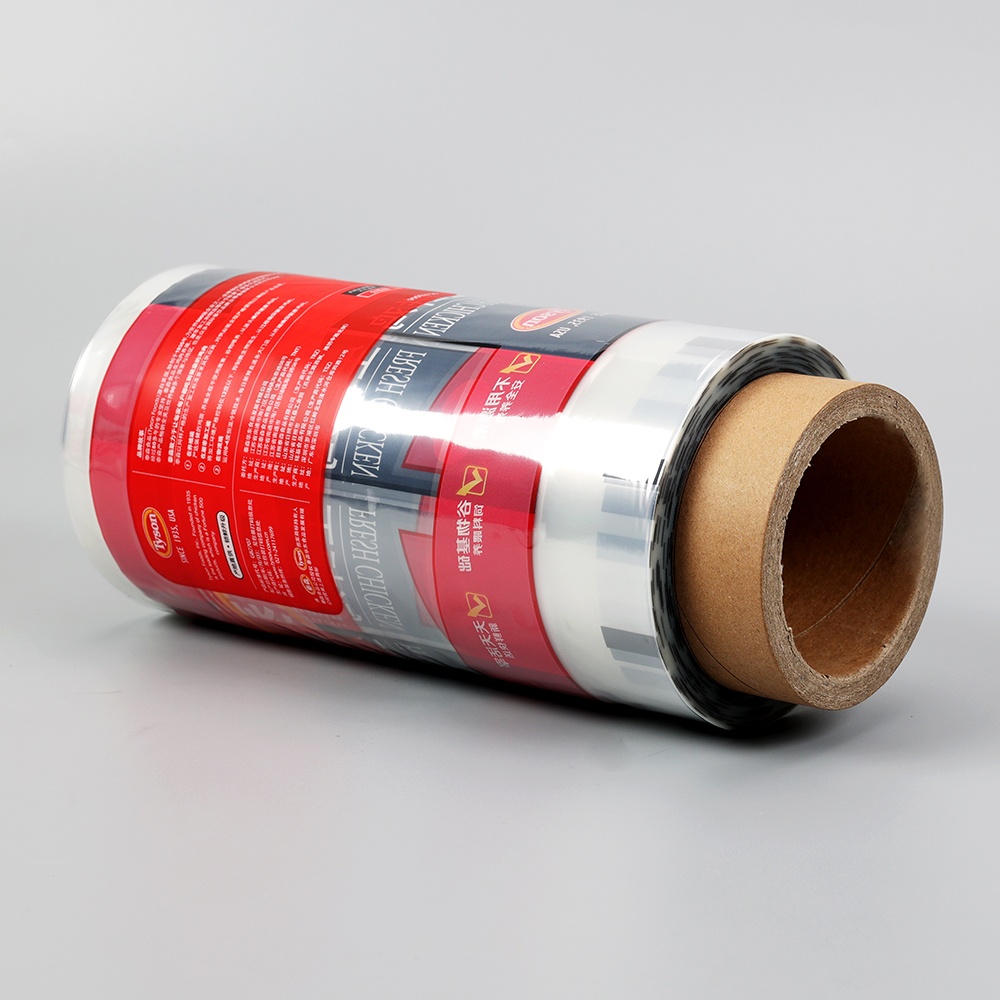
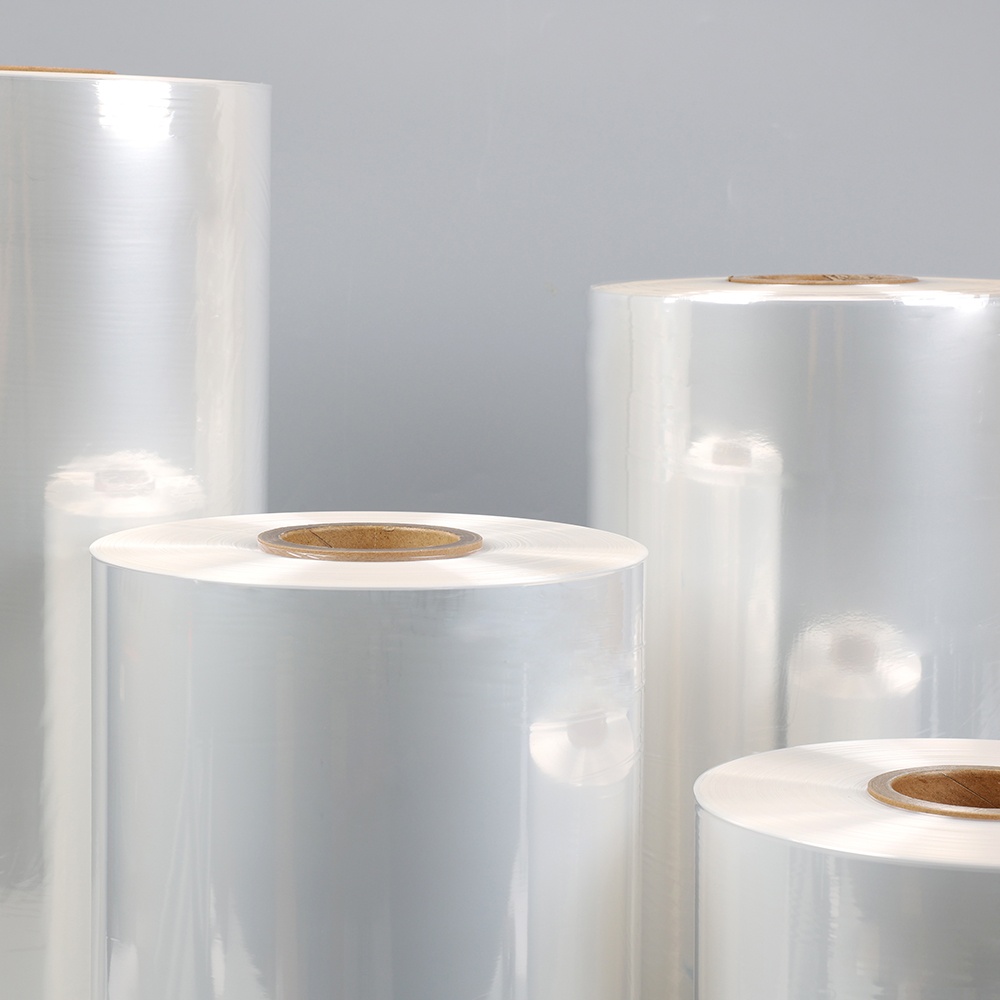
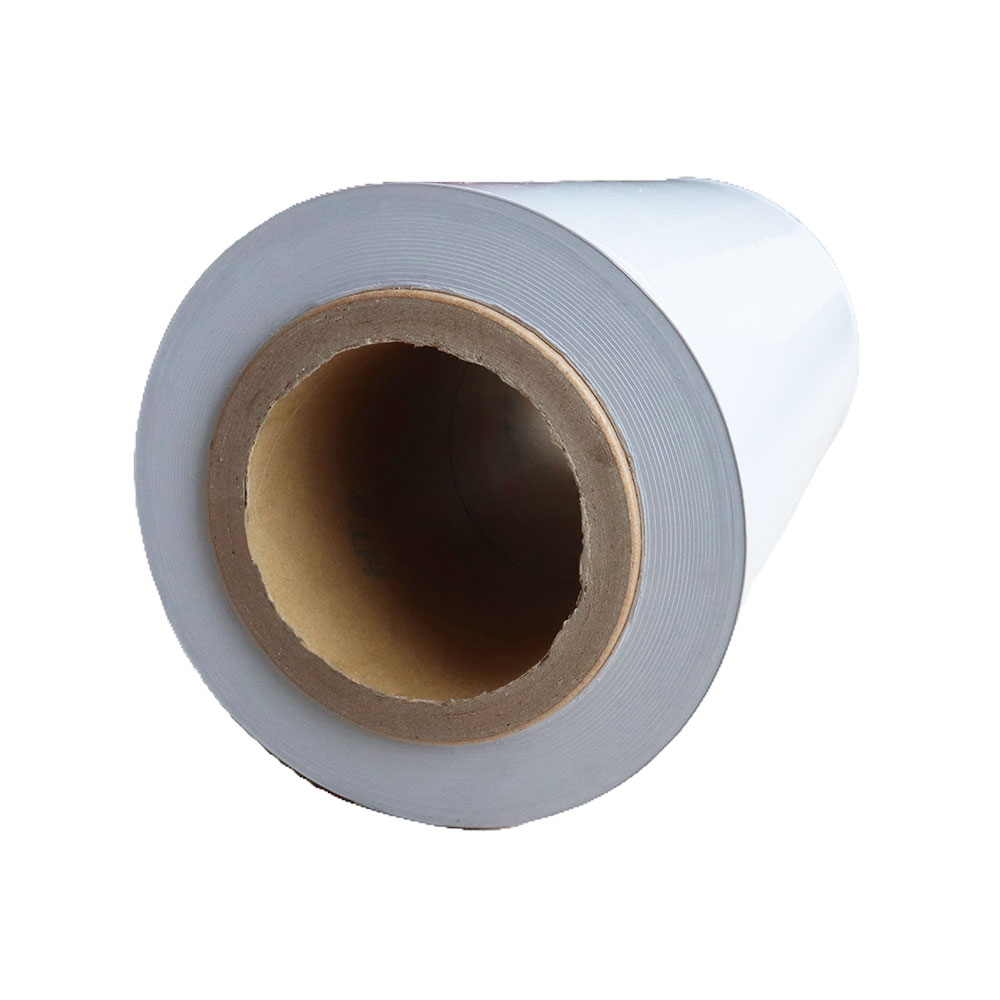
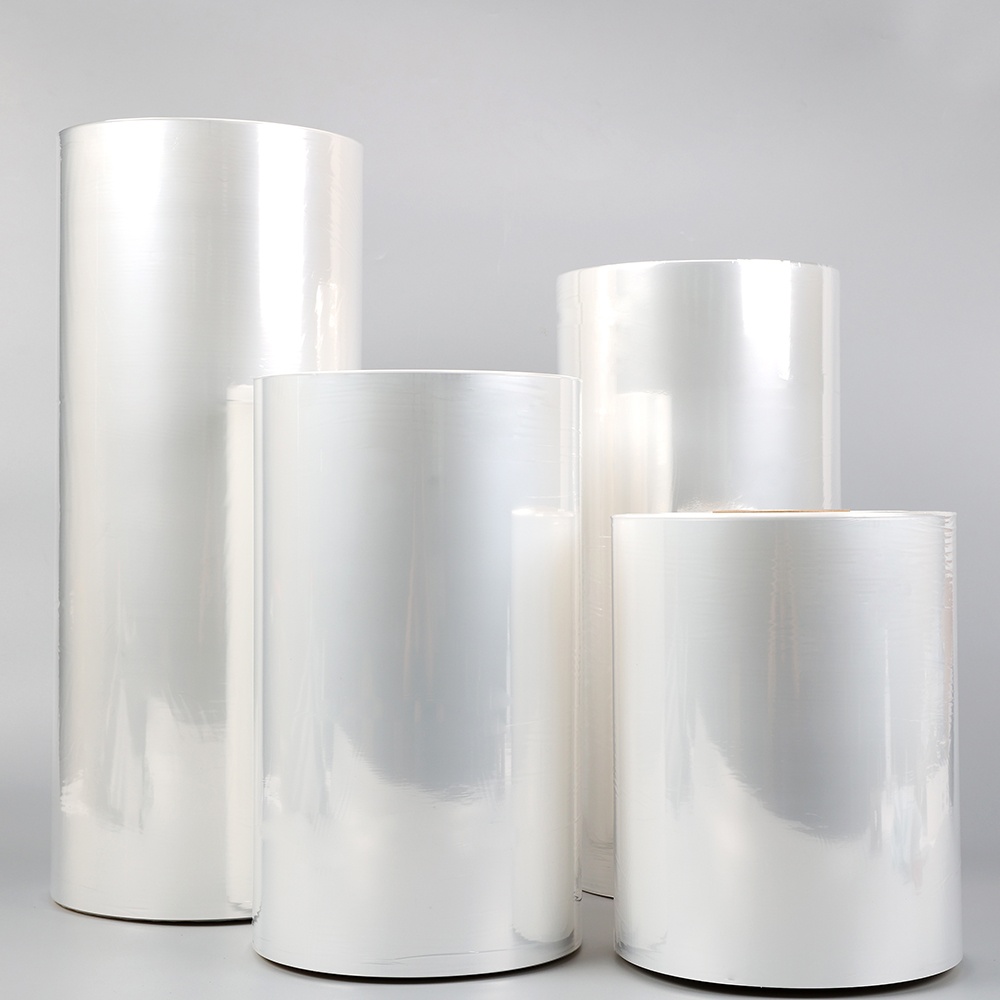
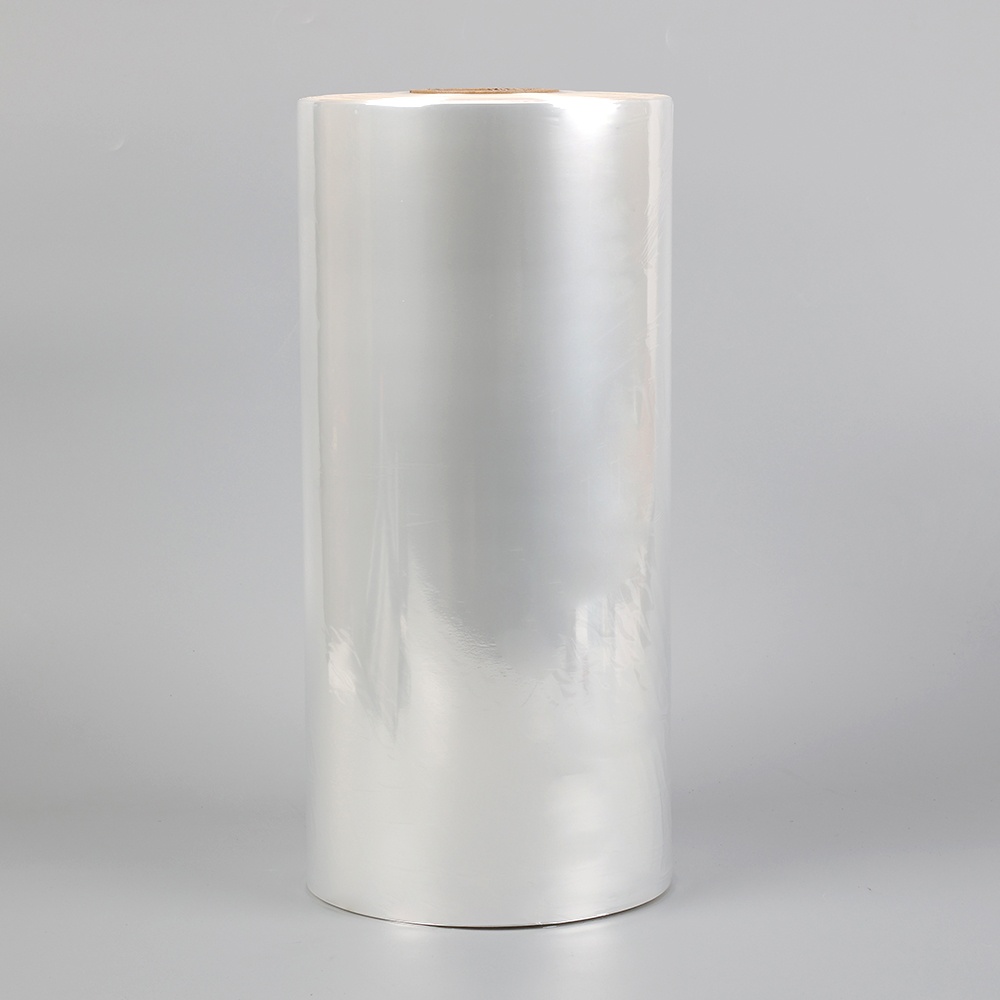
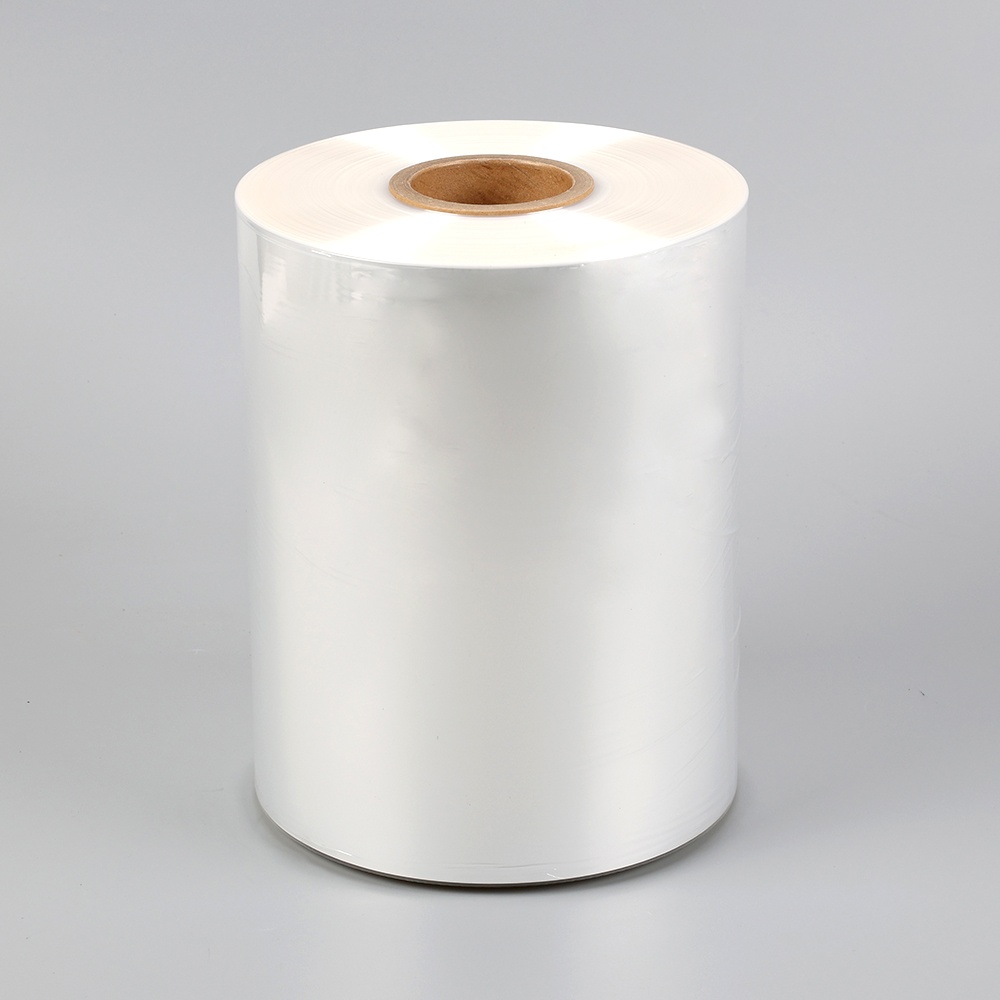
Plastic packaging is everywhere, offering unmatched protection and versatility for everything from frozen pizzas to cosmetic boxes. But the environmental cost of this convenience is immense. For decades, the focus has been on virgin plastic—material created entirely from new, fossil-fuel-derived polymers. Now, a quiet revolution is happening in the world of packaging, driven by a powerful acronym: PCR, or Post-Consumer Recycled content.
PCR isn’t just a buzzword; it represents plastic that has completed its life cycle as a consumer product (like a soda bottle or a detergent jug), been collected, sorted, cleaned, and reprocessed into a usable raw material. Integrating PCR content into new products significantly reduces the demand for virgin fossil fuels, lowers energy consumption in manufacturing, and diverts waste from overflowing landfills.
To understand the real breakthrough, we need to look closer at the specific type of plastic film being discussed: shrink film.
Shrink film is a polymer material engineered to shrink tightly and uniformly around a product when heat is applied. This process requires a film with a very specific, stable, and predictable molecular structure. Traditional, high-performance shrink films often rely on a process called cross-linking.
Imagine long strands of plastic molecules, like cooked spaghetti noodles. In standard plastic, these noodles lie side-by-side. When you pull them, they can slide past each other relatively easily.
Cross-linking is a process, often achieved through electron-beam irradiation, that creates strong chemical bonds, or “bridges,” between these spaghetti strands. These bridges act like tiny molecular staples, linking the individual polymer chains together.
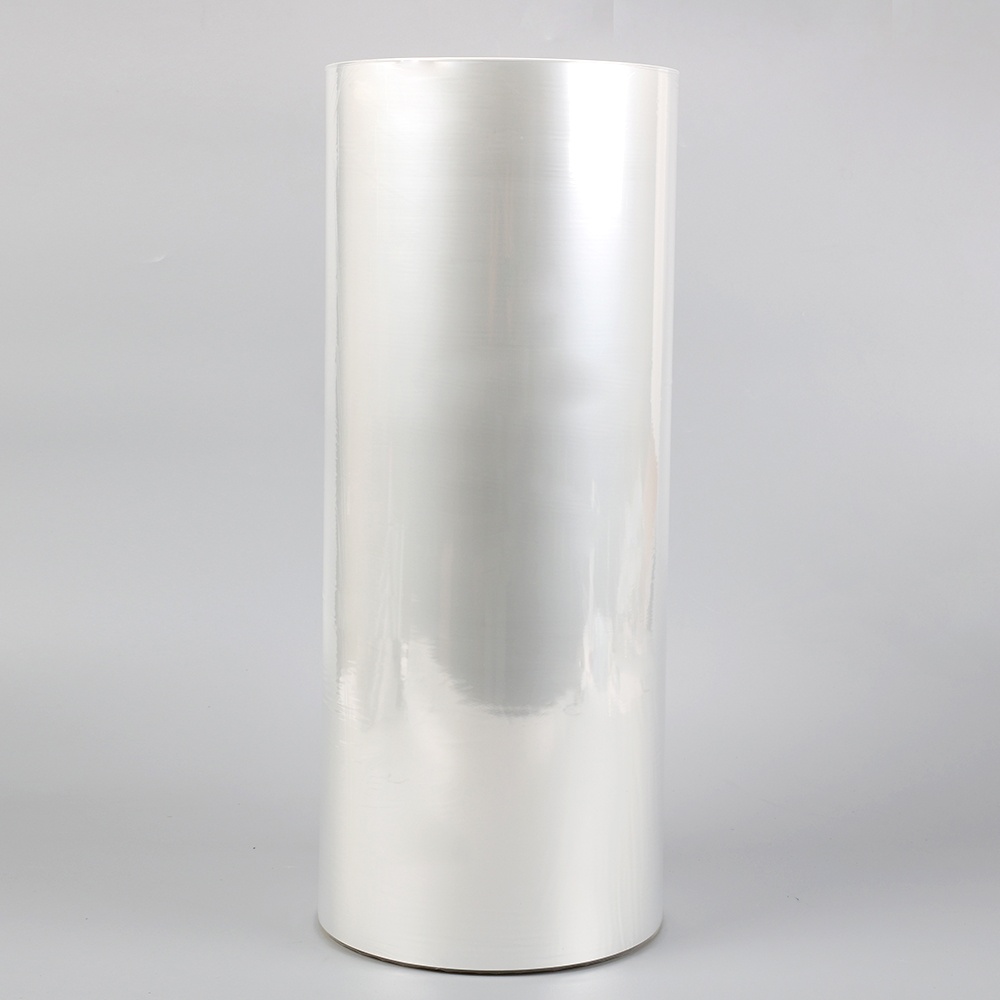
The main challenge in using PCR content in high-performance shrink film is maintaining quality. Recycled plastic, due to its varied history and thermal degradation, often has shorter, weaker polymer chains compared to virgin material. If you simply make a film out of it, it might be brittle and tear easily.
This is where the combination—PCR Cross-Linked Shrink Film—becomes revolutionary.
In essence, cross-linking gives recycled plastic a performance boost, allowing it to meet the strict technical demands of modern packaging. The final product is a durable, crystal-clear film that can contain a significant percentage of recycled material, closing the loop on plastic waste and giving “used” plastic a valuable second life as high-performance packaging.
The Invisible Shield: How EVOH High Barrier Shrink Film Protects Our Food
The Invisible Shield: Unpacking the Power of POF Heat Shrink Film in Mobile Phone Packaging
Mobile site

alibaba
Copyright © 2023 Zhejiang Zhongcheng Packing Material Co., Ltd. All Rights Reserved. Privacy Polyolefin Shrink Film Manufacturers




 English
 русский
 Español