
 English
 русский
 Español
Home / News / Industry News / Why POF Shrink Film Is Becoming the Go-To Packaging Solution for Modern Manufacturers
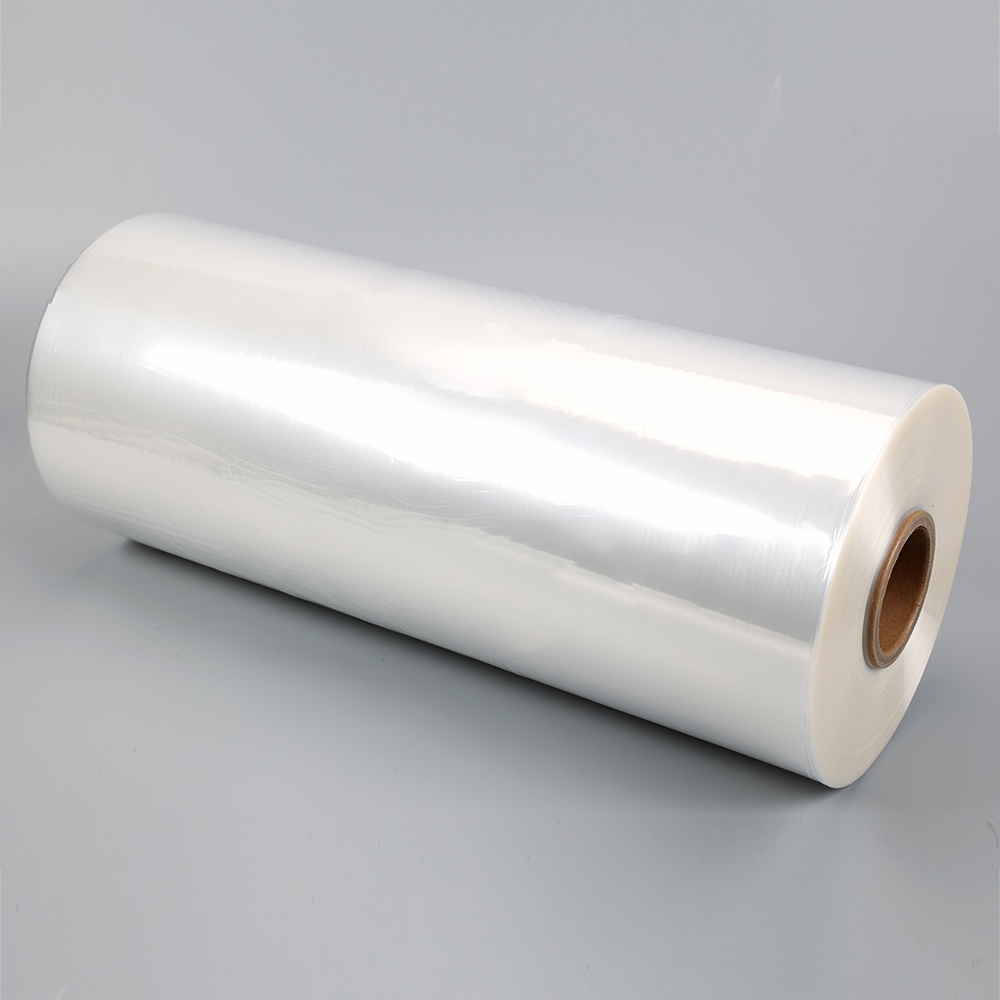
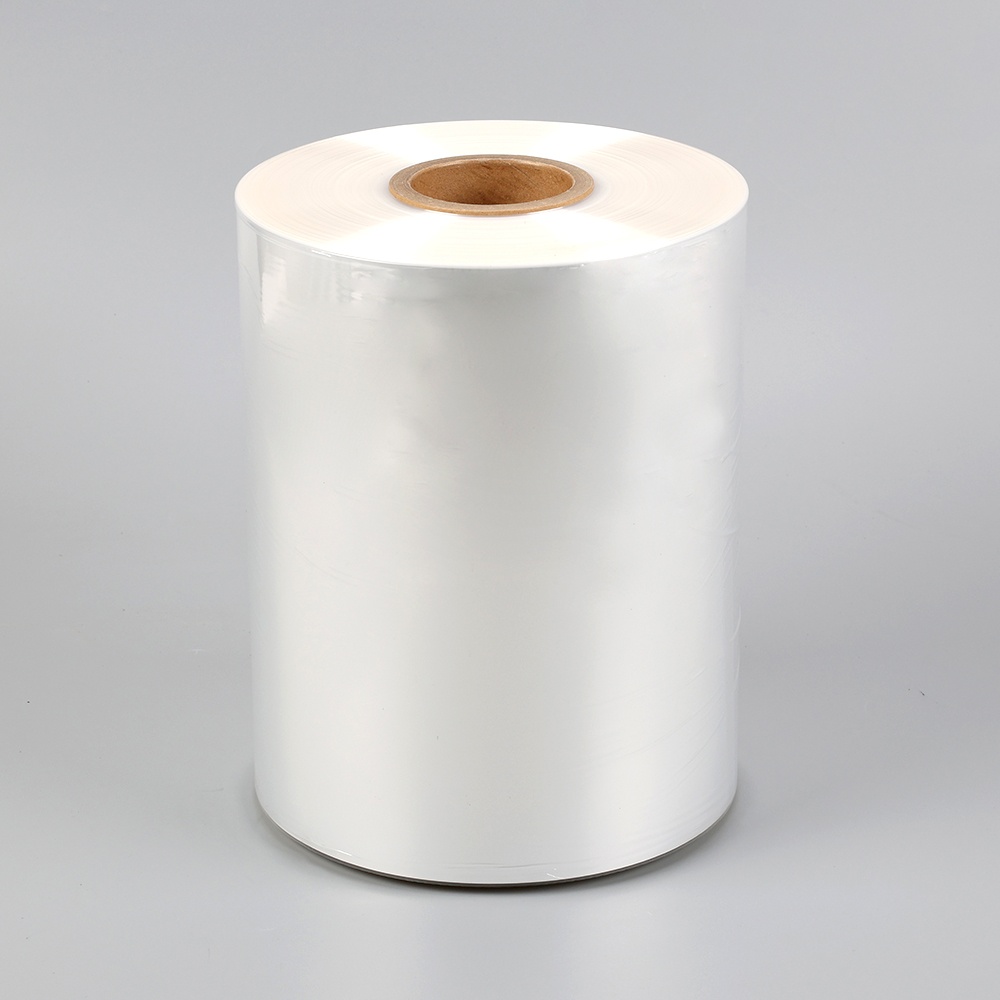
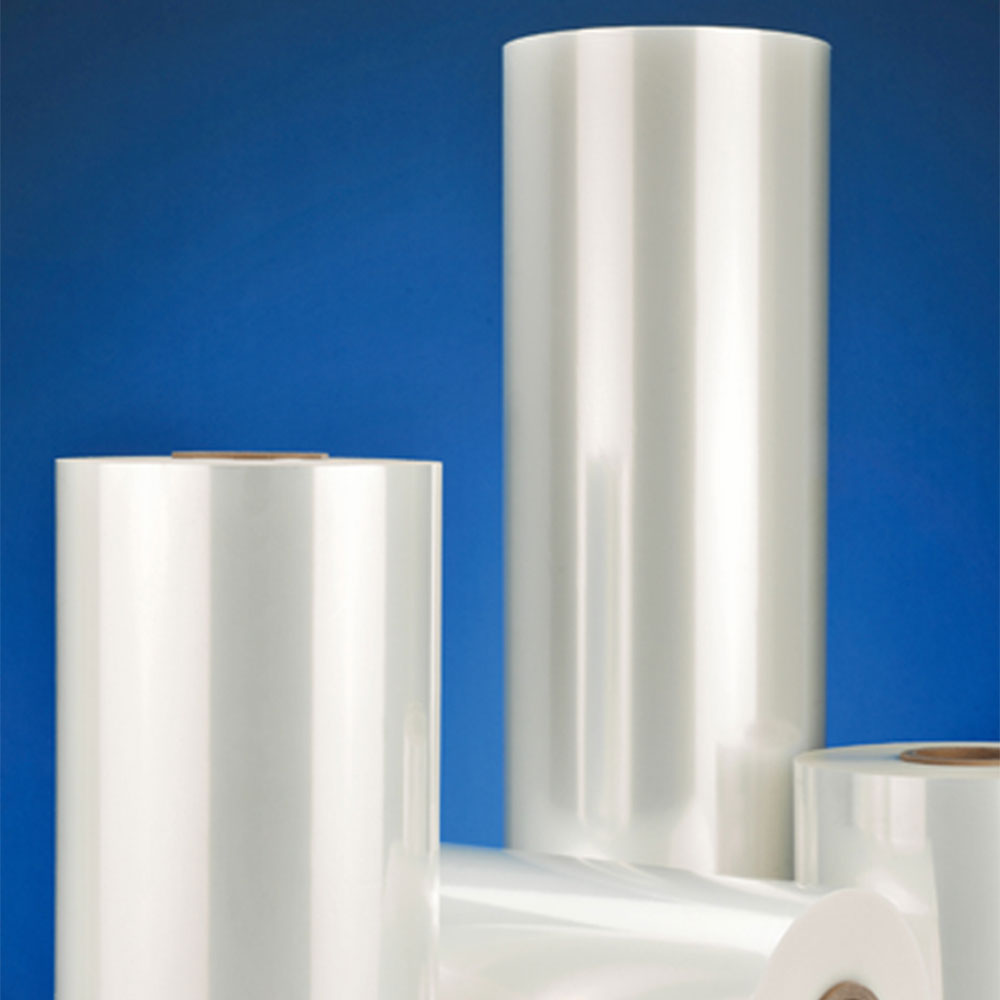
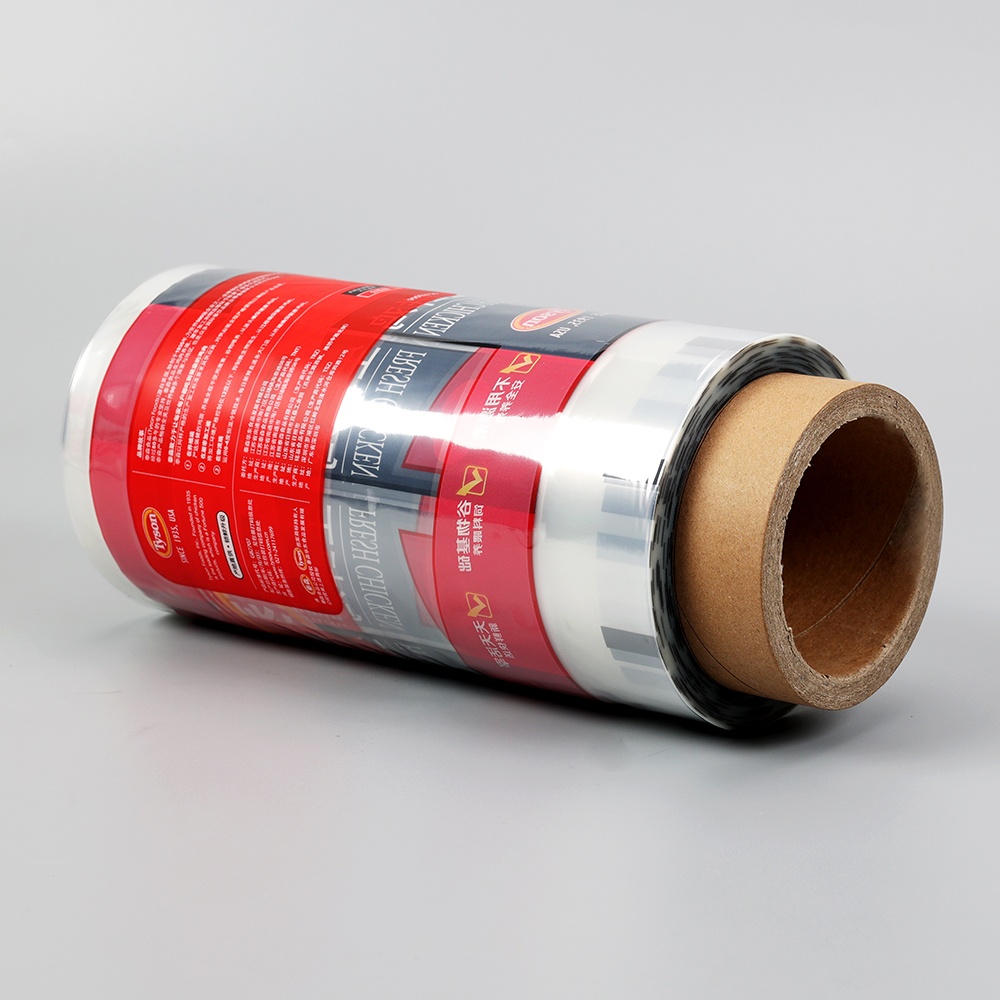
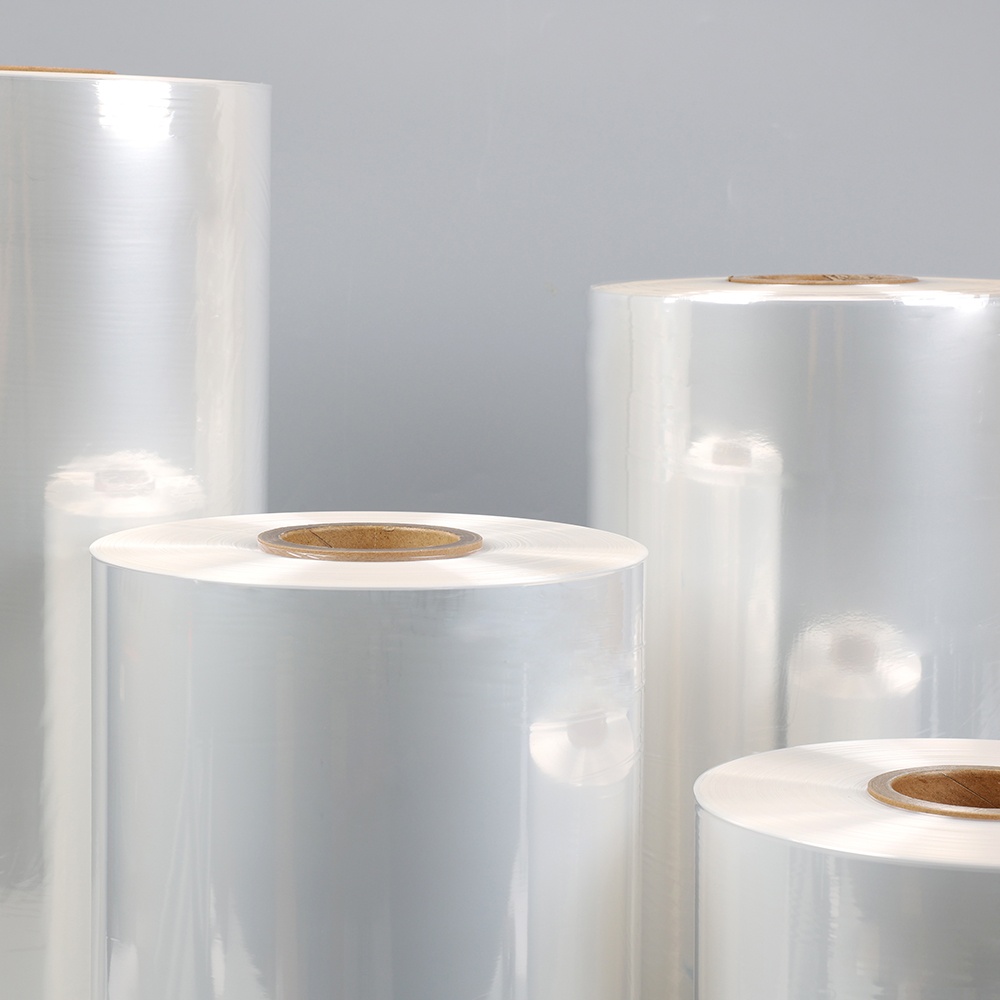
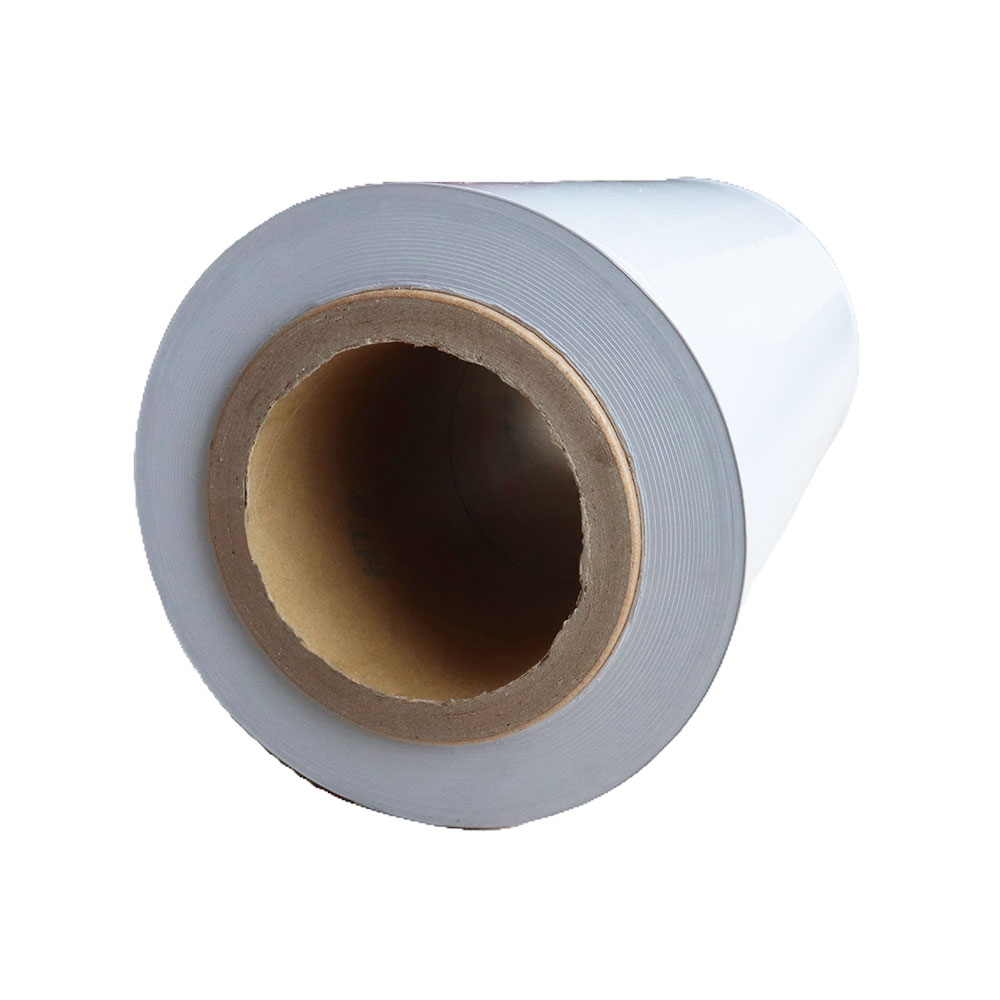
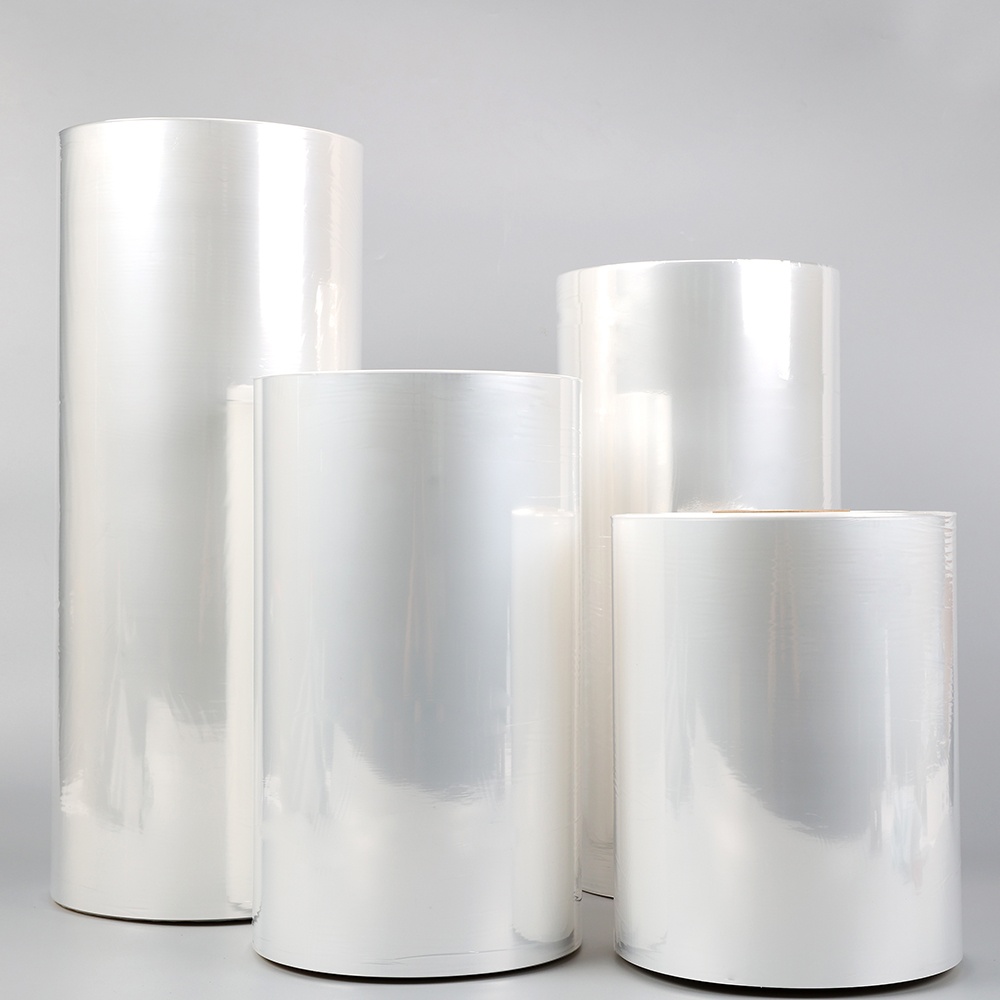
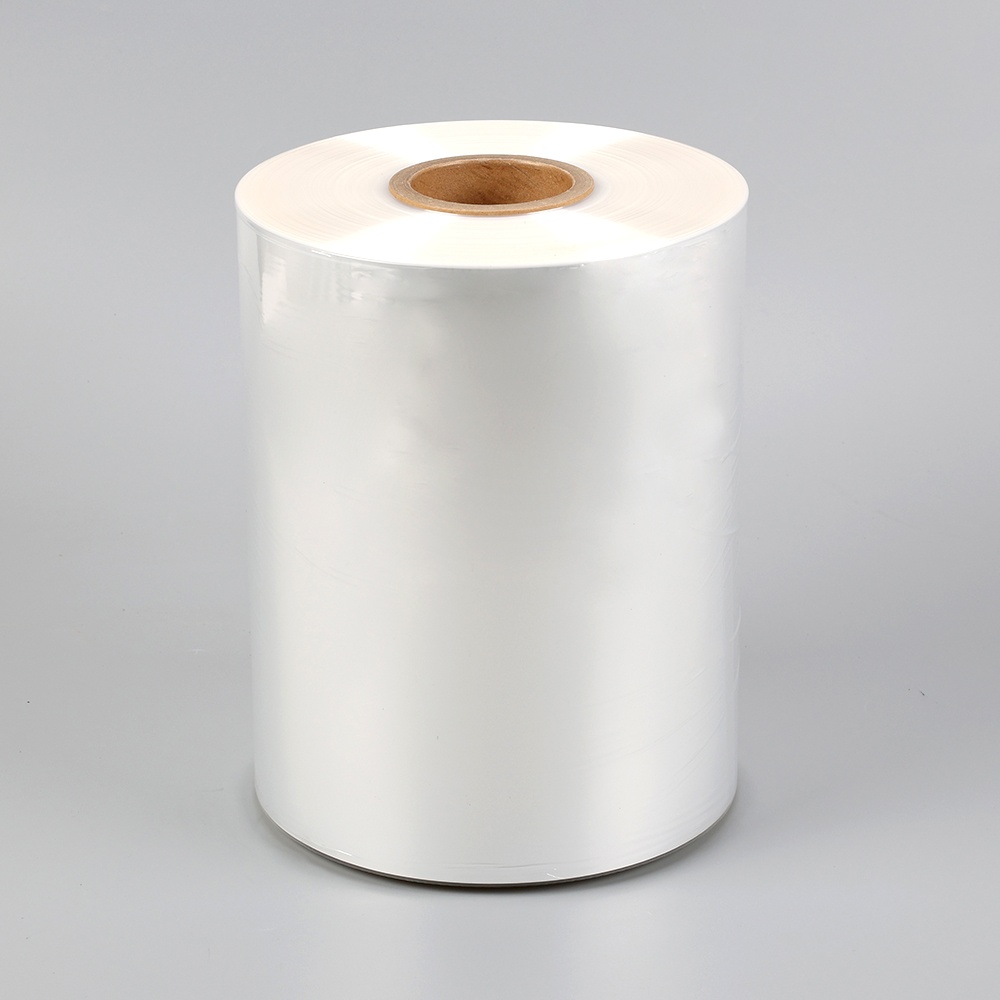
POF shrink film, short for Polyolefin Shrink Film, is widely recognized for its balanced performance in strength, clarity, and safety. Unlike traditional PVC shrink film, POF does not release harmful odors during shrinking and complies with food-grade packaging standards in many markets. Compared with PE shrink film, it offers higher transparency and more consistent shrinkage, making it ideal for retail-oriented packaging.
Its multi-layer co-extruded structure allows POF shrink film to combine toughness and softness in one material. This structure ensures excellent puncture resistance while maintaining smooth sealing performance on both manual and automatic packaging lines.
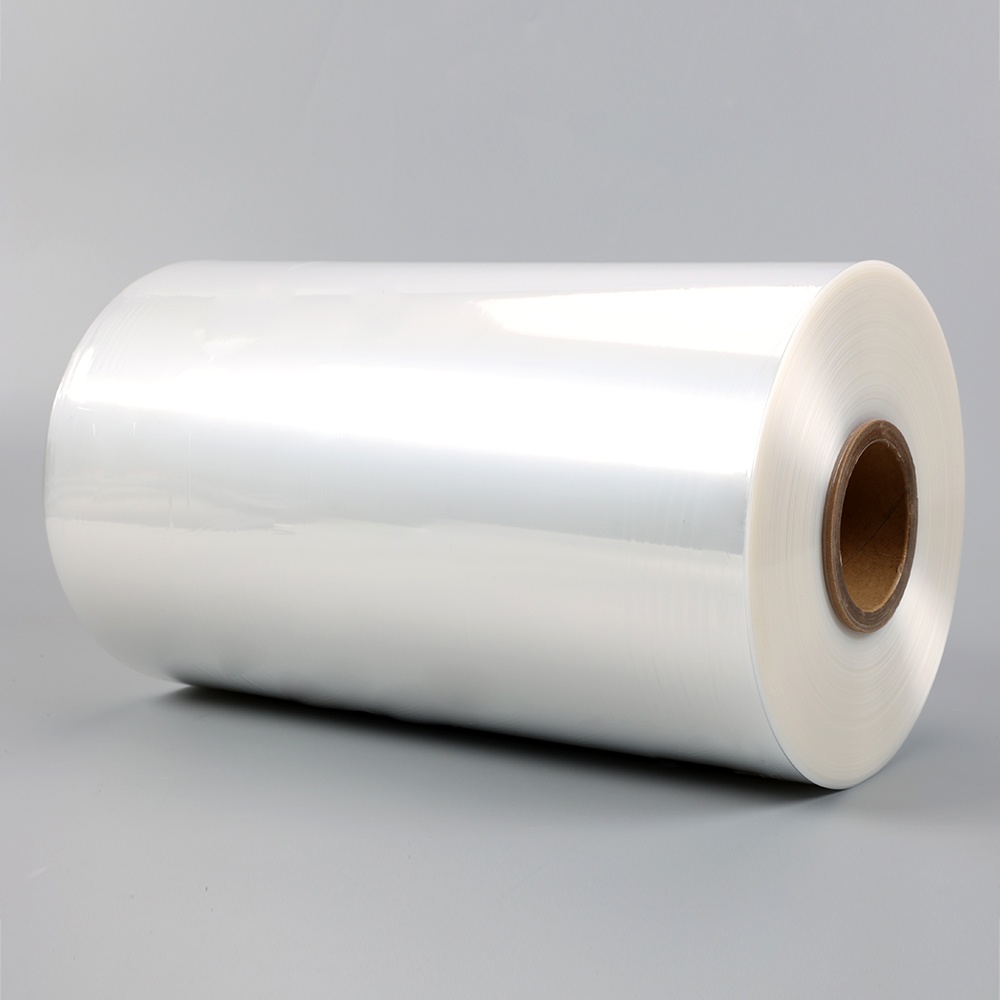
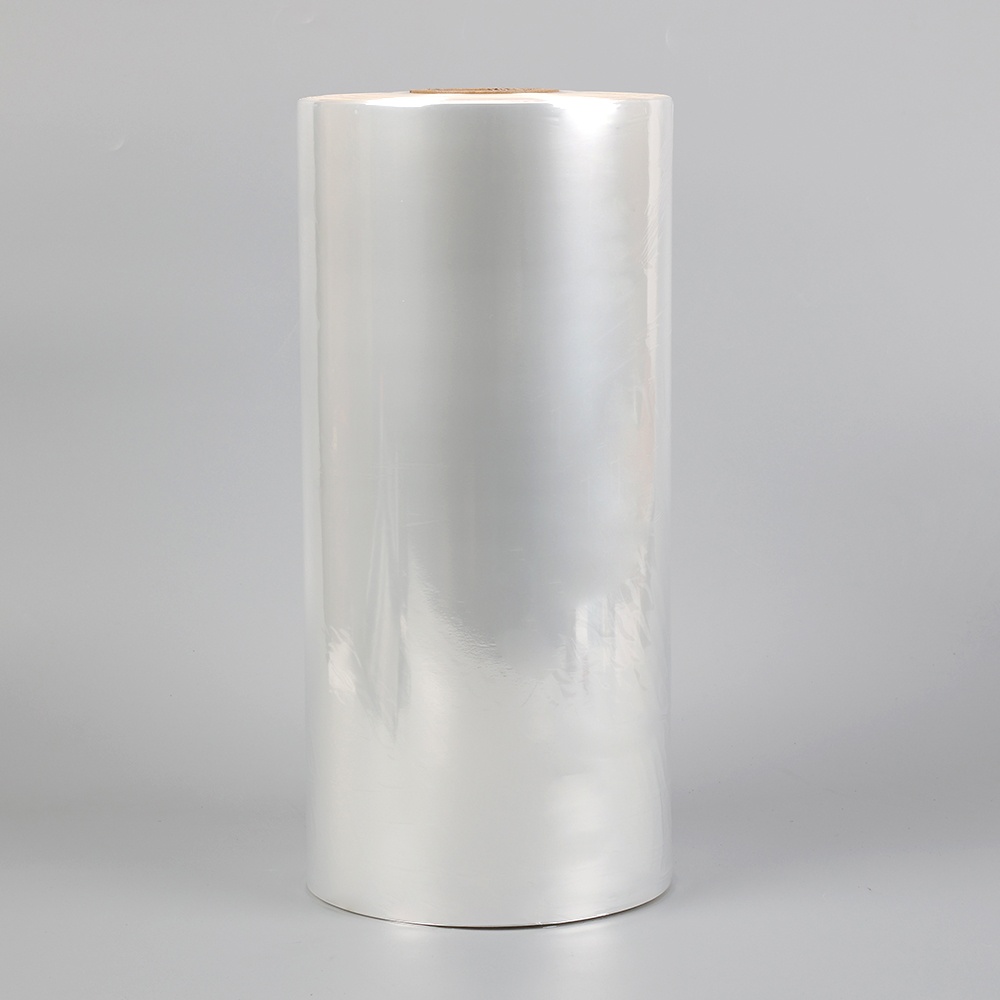
POF shrink film delivers glass-like transparency, which is critical for consumer products where appearance influences purchasing decisions. Clear film enhances shelf appeal and allows customers to inspect products without opening the package.
Uniform shrinkage in both machine and transverse directions ensures tight wrapping without deformation. This stability is especially important for bundled products, boxed items, and irregular shapes that require even tension distribution.
POF shrink film seals cleanly at lower temperatures and resists tearing during transportation. This reduces packaging failures, minimizes product returns, and improves overall logistics reliability.
POF shrink film is widely used due to its versatility and compatibility with different packaging systems. Its adaptability allows manufacturers to standardize materials across multiple product lines.
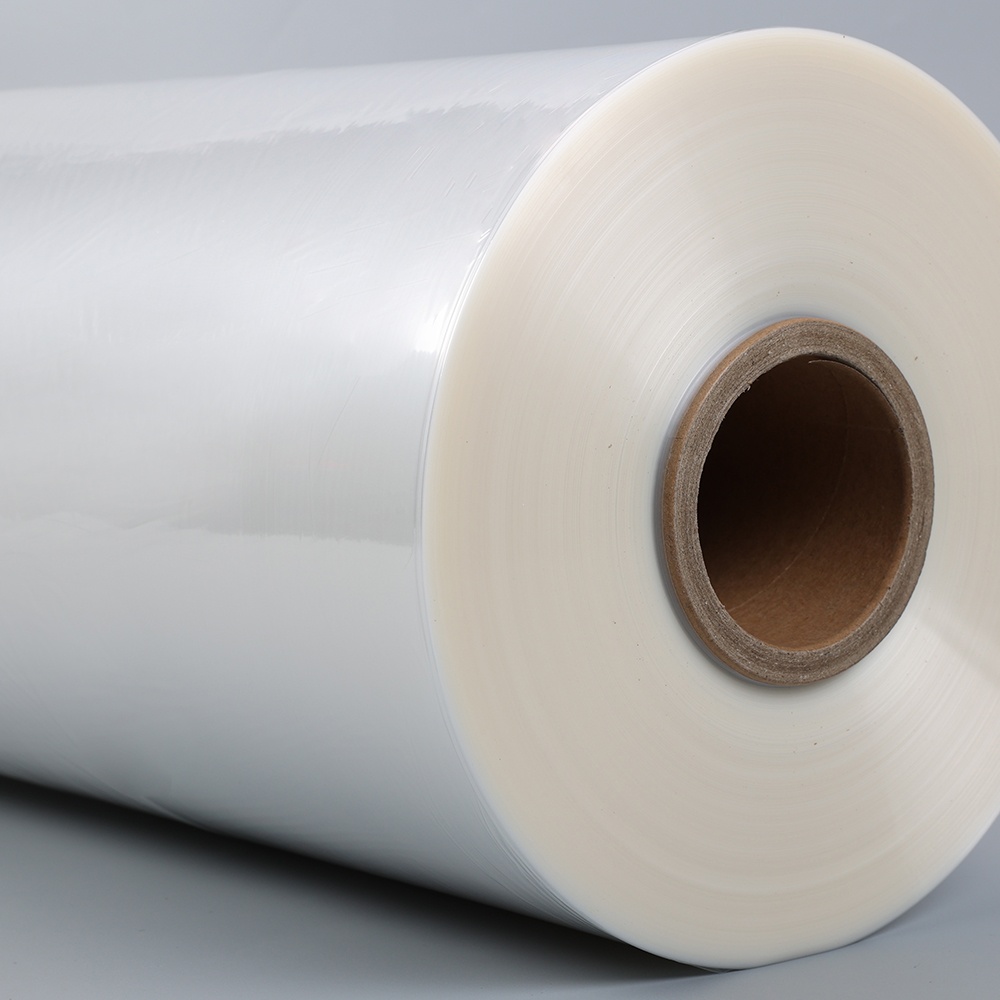
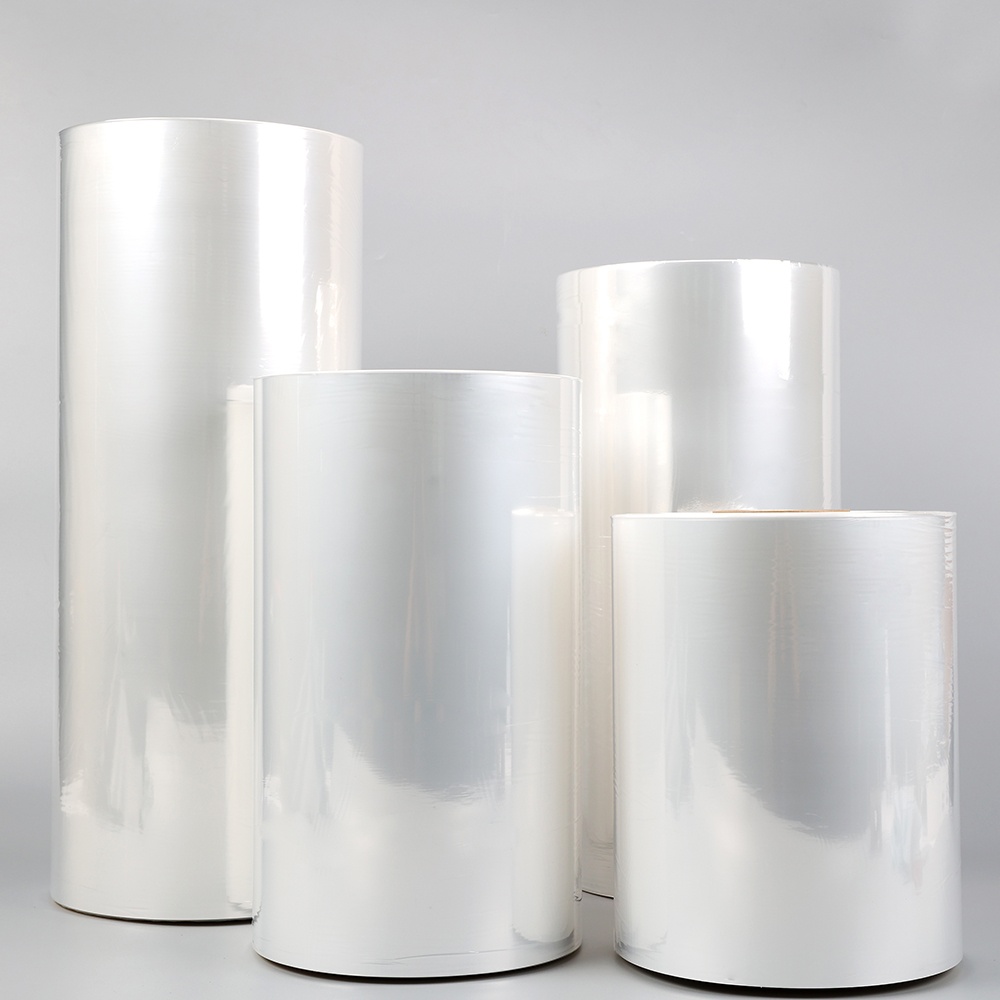
Selecting the correct thickness is essential for balancing cost and protection. Thinner films offer material savings, while thicker films provide enhanced durability for heavier or sharper products.
| Film Thickness | Recommended Use |
| 12–15 microns | Lightweight products and single-item packaging |
| 19–25 microns | Standard retail products and multipacks |
| 30 microns and above | Heavy or irregular-shaped products |
POF shrink film performs well on L-sealers, side sealers, and fully automatic high-speed shrink wrapping machines. Its low shrink temperature reduces energy consumption and shortens heating tunnel time, improving overall production efficiency.
For manufacturers aiming to upgrade automation levels, POF shrink film provides consistent results even at high line speeds, making it a preferred material for scalable packaging operations.
POF shrink film is recyclable and free from plasticizers such as phthalates, making it a safer alternative to PVC. Its clean shrinking process improves workplace air quality and aligns with increasingly strict environmental regulations.
For brands focused on sustainable packaging strategies, POF shrink film offers a practical balance between performance, compliance, and environmental responsibility.
Unlocking Packaging Efficiency: A Deep Dive into Polyolefin (POF) Shrink Film Applications
POF Film Explained: Performance Advantages, Application Scenarios, and Buying Considerations for Modern Packaging
Mobile site

alibaba
Copyright © 2023 Zhejiang Zhongcheng Packing Material Co., Ltd. All Rights Reserved. Privacy Polyolefin Shrink Film Manufacturers