
 English
 русский
 Español
Home / News / Industry News / Shading Cross-Linked Shrink Film: What It Does, Who Needs It, and How to Choose the Right Type
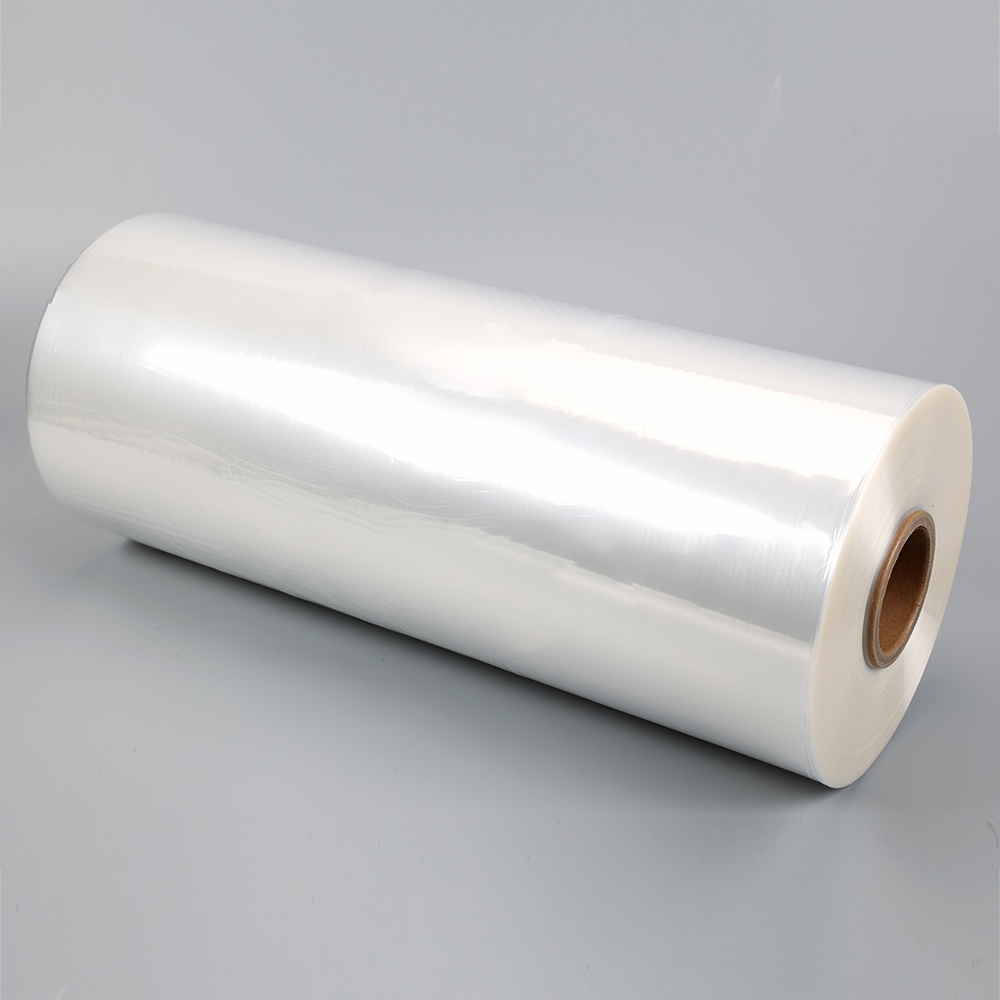
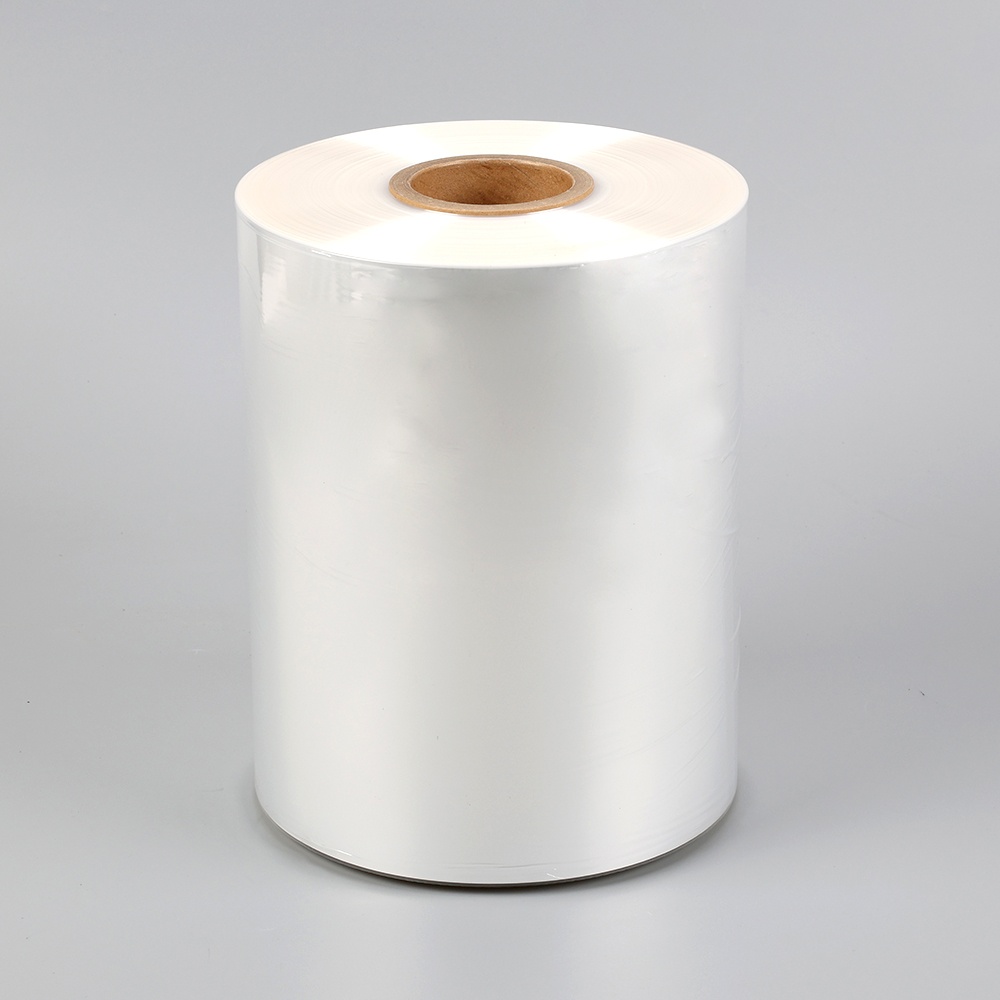
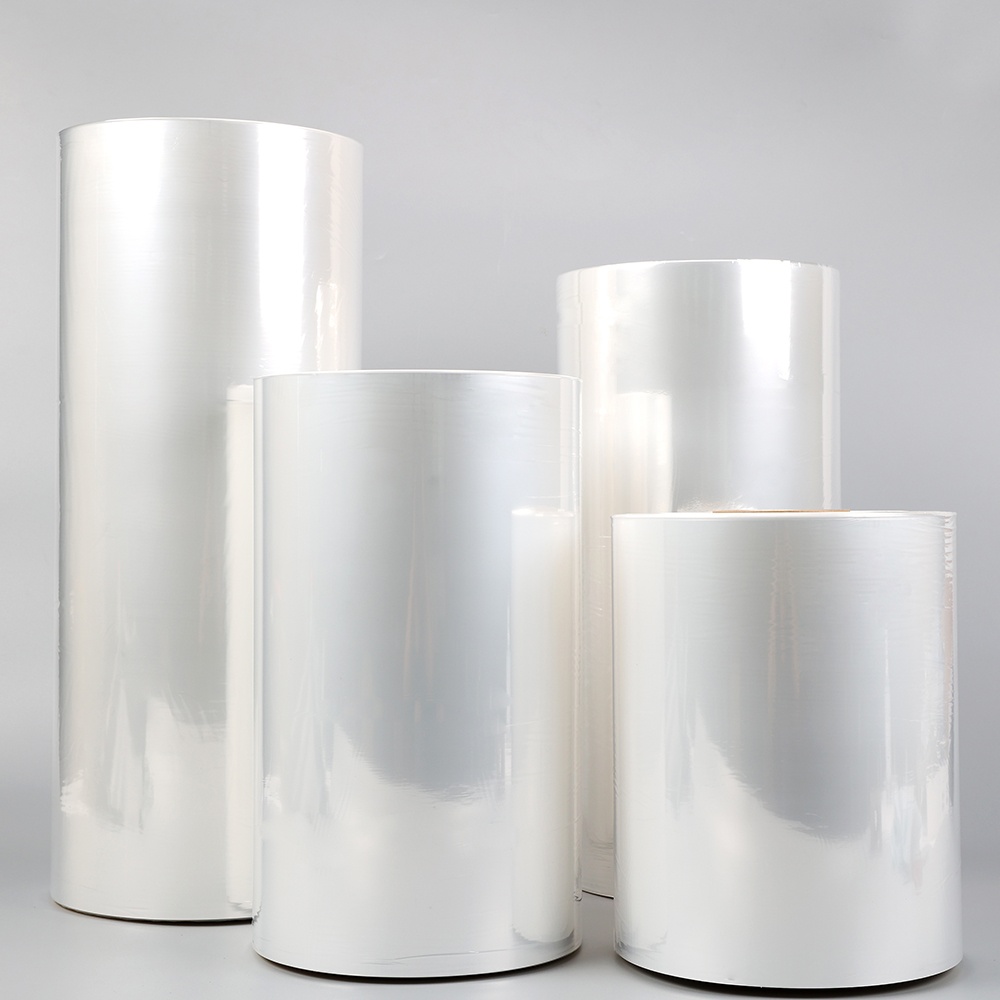
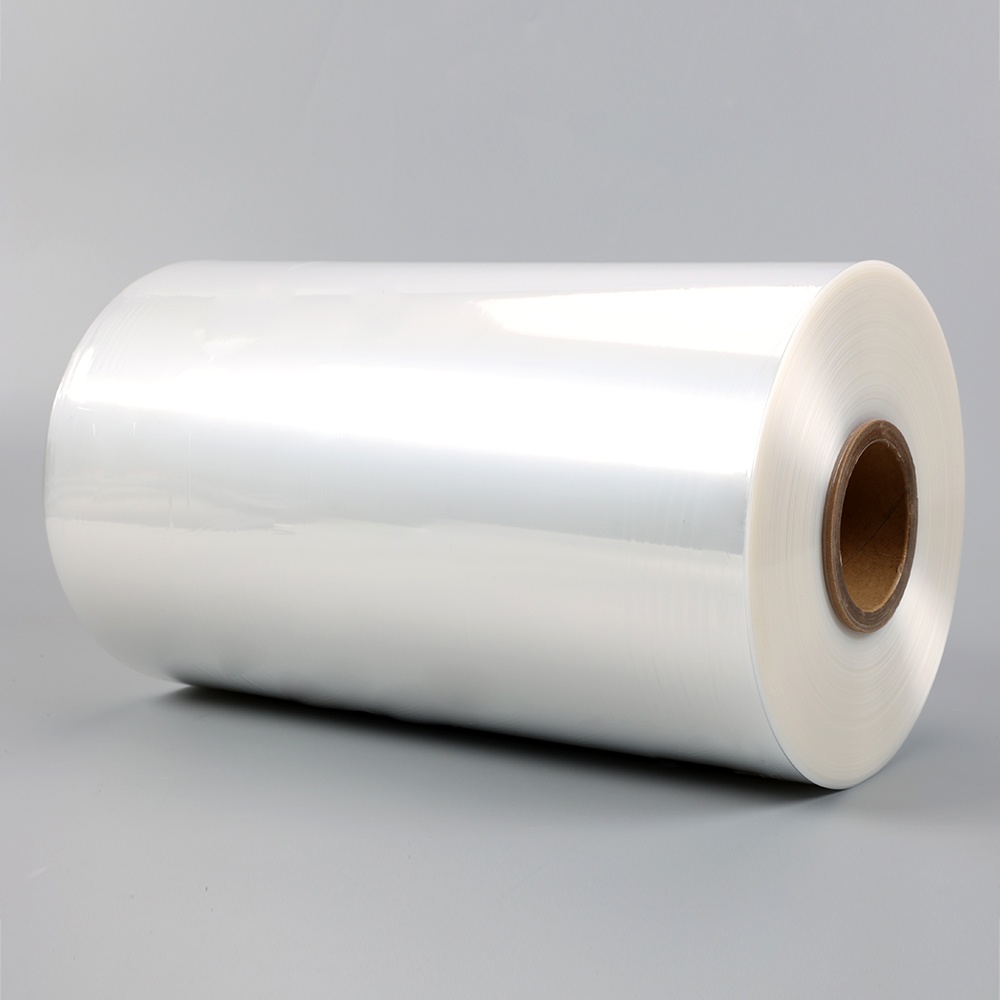
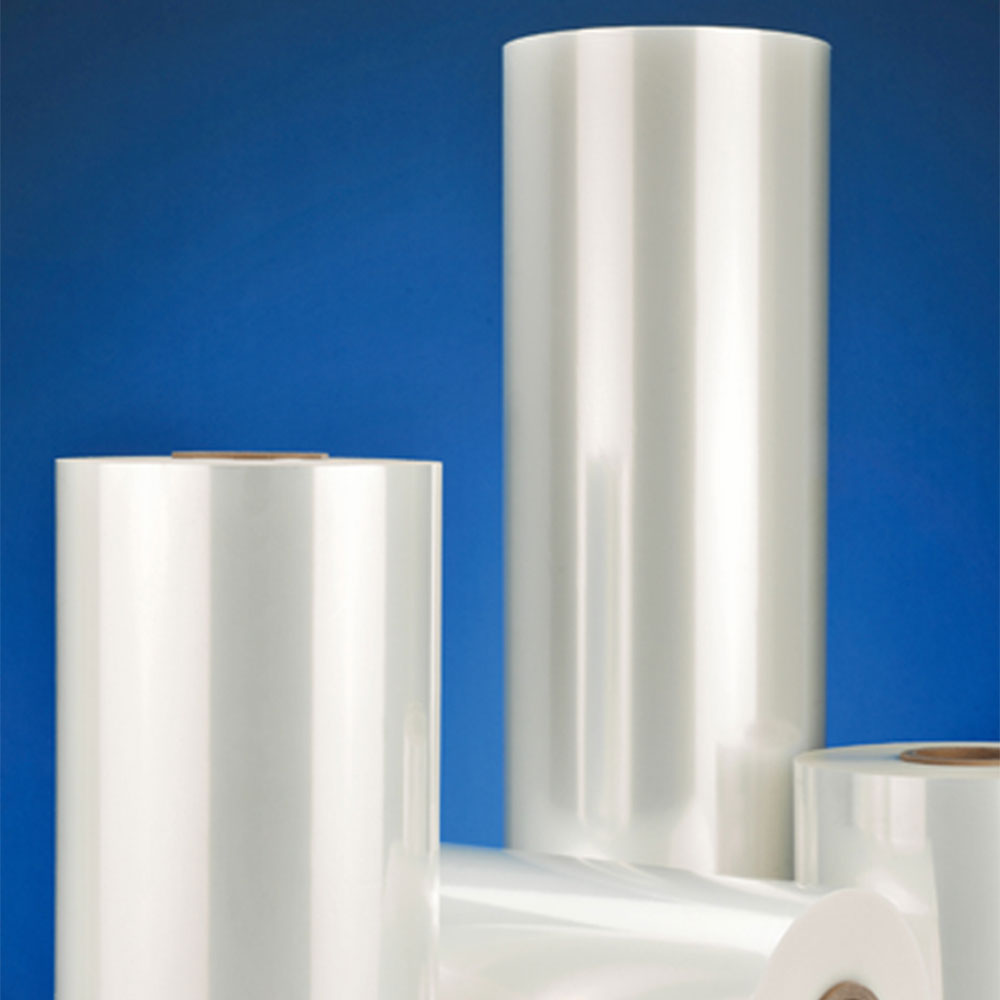
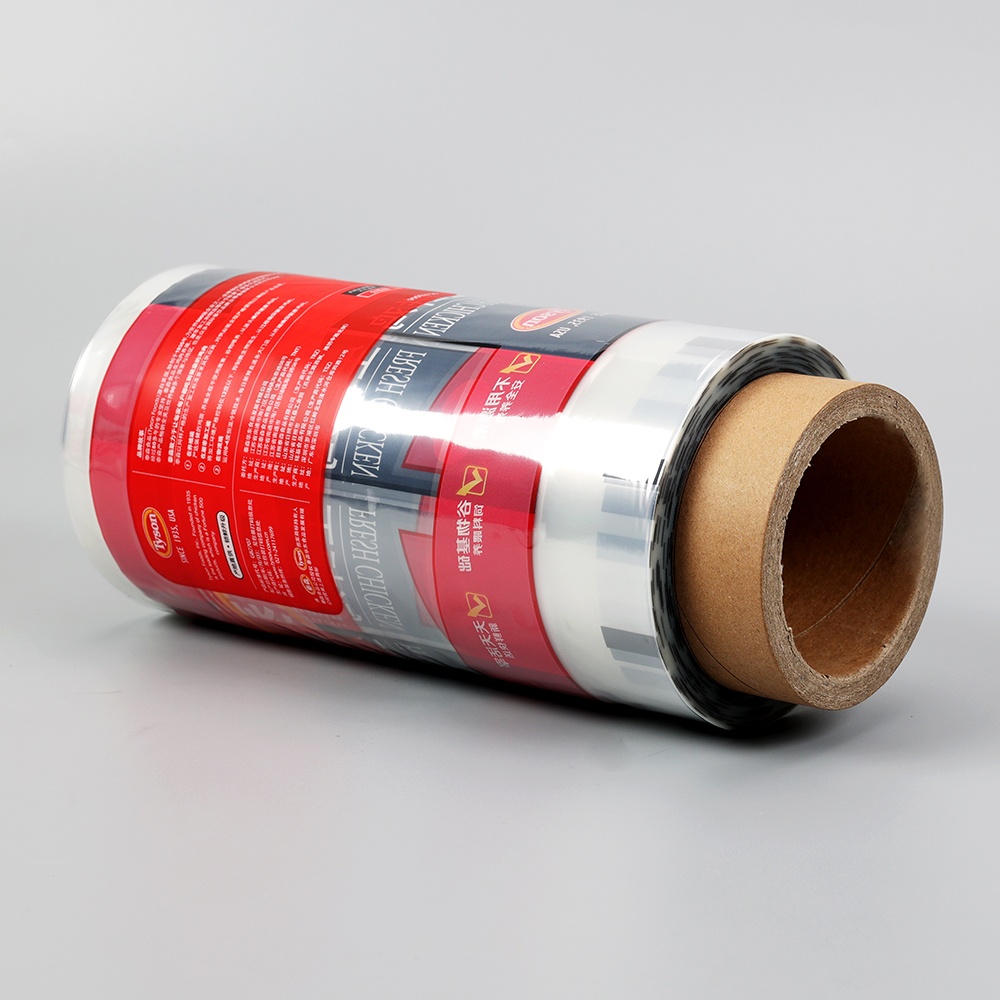
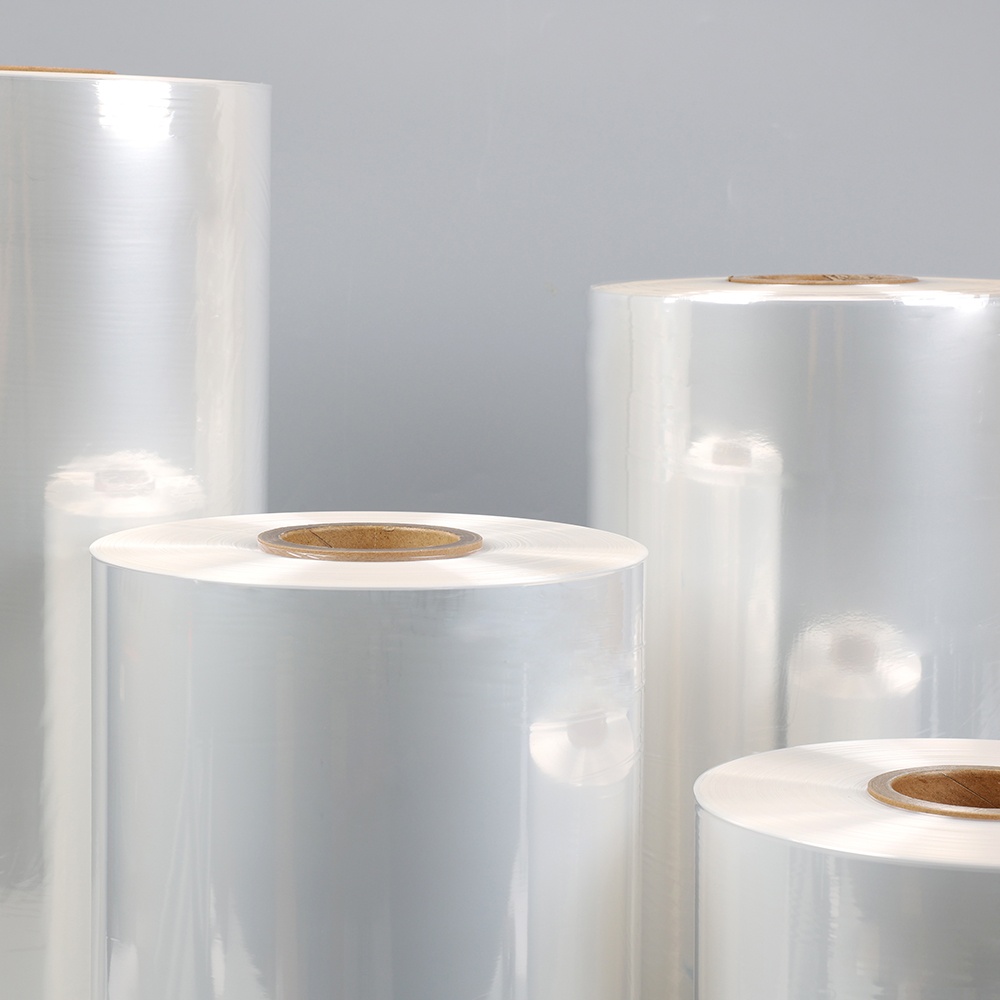
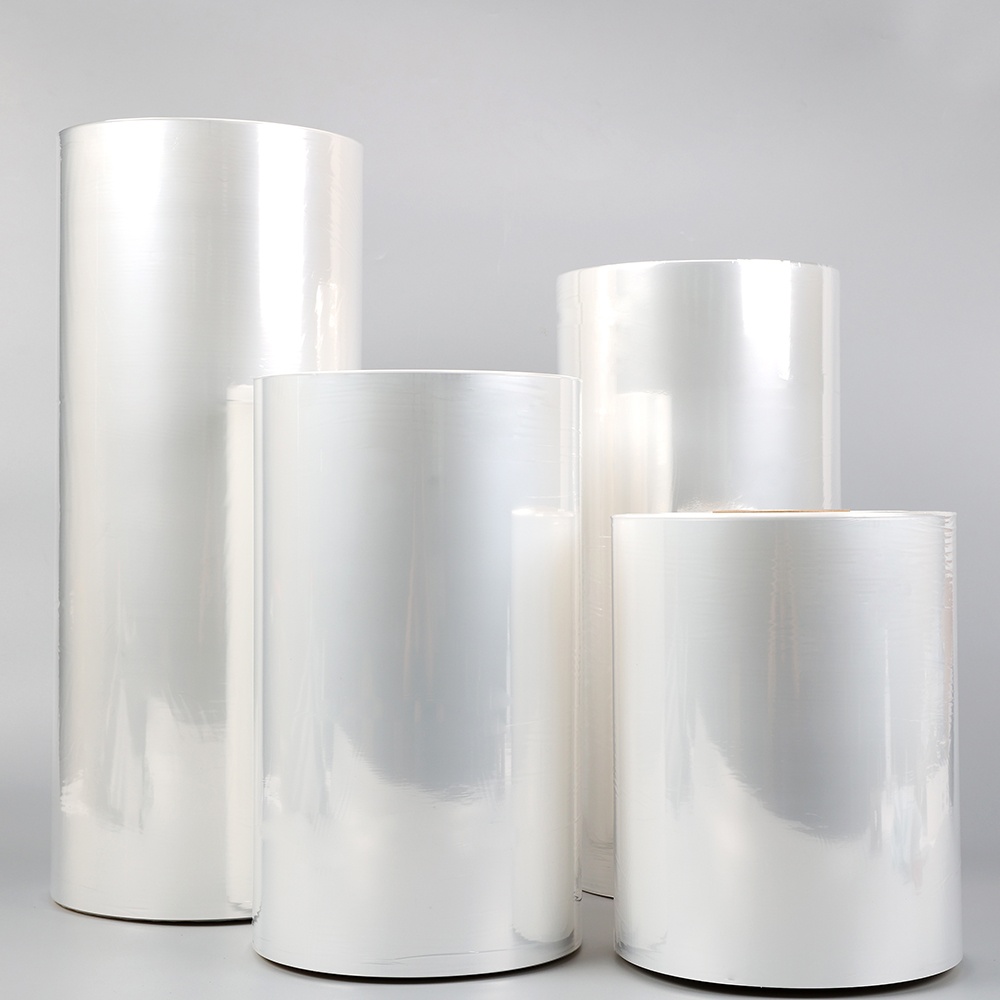
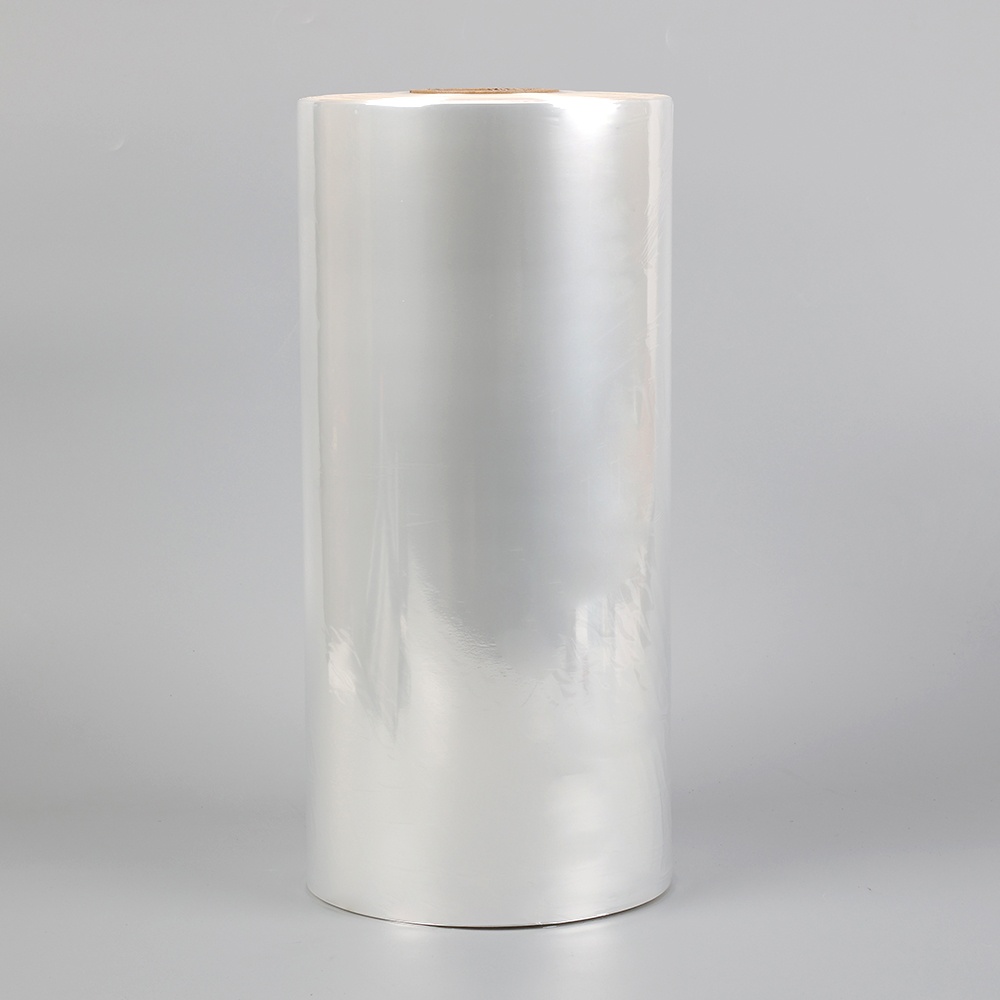
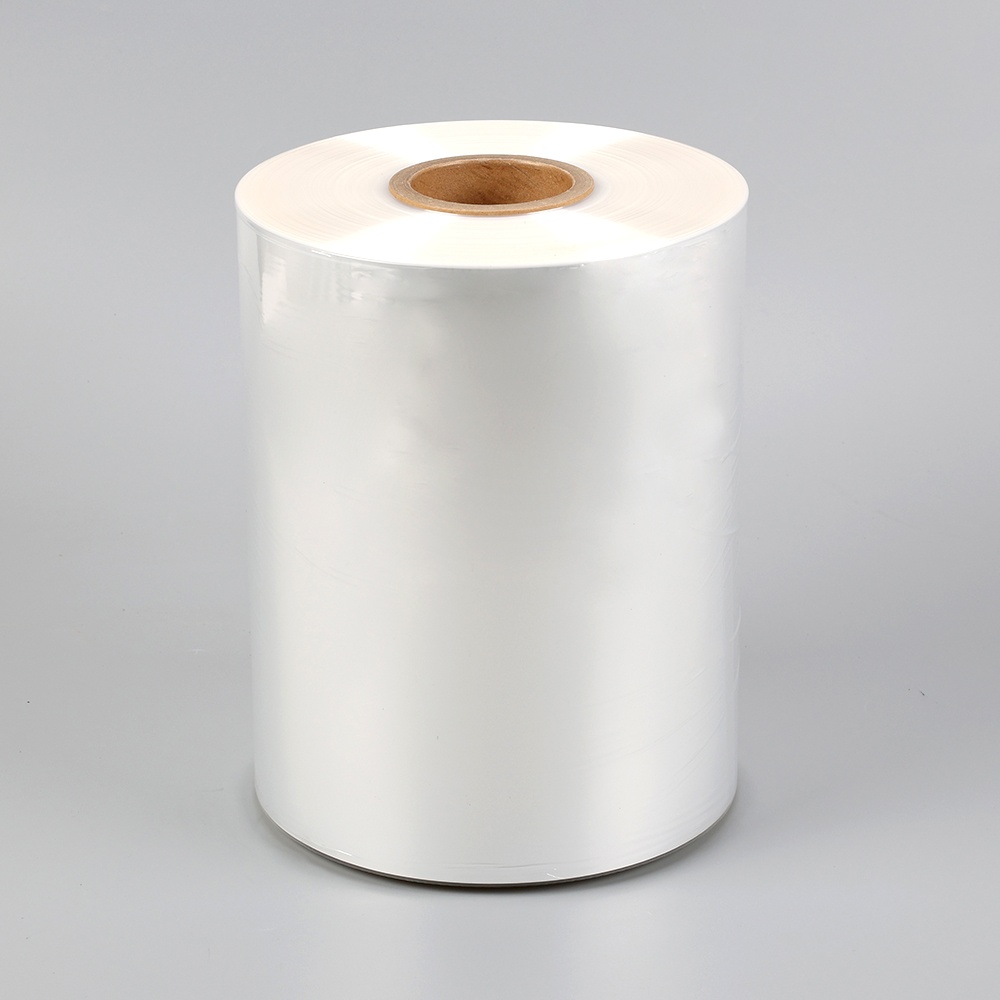
Shading cross-linked shrink film is a specialized variant of irradiation cross-linked polyolefin shrink film that incorporates light-blocking or UV-filtering properties directly into the film structure. While standard cross-linked shrink film is engineered for mechanical performance — puncture resistance, shrink uniformity, seal strength — shading cross-linked shrink film adds a second functional layer to the equation: controlling how much light passes through the packaging and reaches the product inside. This makes it a distinctly different specification from commodity shrink wrap, and understanding why that light control matters is the starting point for knowing whether this film type belongs in your packaging line.
The need for shading properties in shrink film arises from a straightforward problem that affects a wide range of products. Light — particularly ultraviolet radiation in the 280–400 nm range and visible light in the blue spectrum — accelerates oxidation, degrades pigments, triggers photochemical reactions, and causes flavor and aroma compounds to break down. For products packaged in clear or translucent film and displayed under fluorescent or LED retail lighting for hours or days at a time, cumulative light exposure during the sales cycle can measurably reduce product quality before the item even reaches the consumer. Shading cross-linked shrink film addresses this by building light attenuation into the packaging material itself, without requiring secondary opaque overwrapping or light-blocking shelf displays.
The cross-linking component is what gives this film its mechanical backbone. Produced via electron beam irradiation — the same process used for standard cross-linked shrink film — the polymer chains in shading cross-linked film form a network structure that delivers higher tensile strength, better hot tear resistance, and a wider heat tunnel processing window than non-cross-linked alternatives. The shading function is incorporated through pigment loading, UV-absorber additives, or specialized coatings applied during or after extrusion, and the two functions work independently without compromising each other when the film is properly formulated.
There are several distinct technical approaches to incorporating shading properties into cross-linked shrink film, and each produces a different balance of light attenuation, visual appearance, and processing behavior. Knowing which method was used to produce a given film helps predict how it will perform in your specific packaging and retail environment.
The most straightforward approach is incorporating inorganic or organic pigments directly into the polyolefin resin during extrusion. Carbon black is the most effective pigment for broad-spectrum light blocking — even at loadings of 1–3% by weight, carbon black-pigmented cross-linked shrink film can achieve greater than 99% light blockage across the visible and UV spectrum. This is the specification used when total light exclusion is required, such as for light-sensitive pharmaceutical products, photographic materials, and certain food products where any light exposure causes rapid quality degradation.
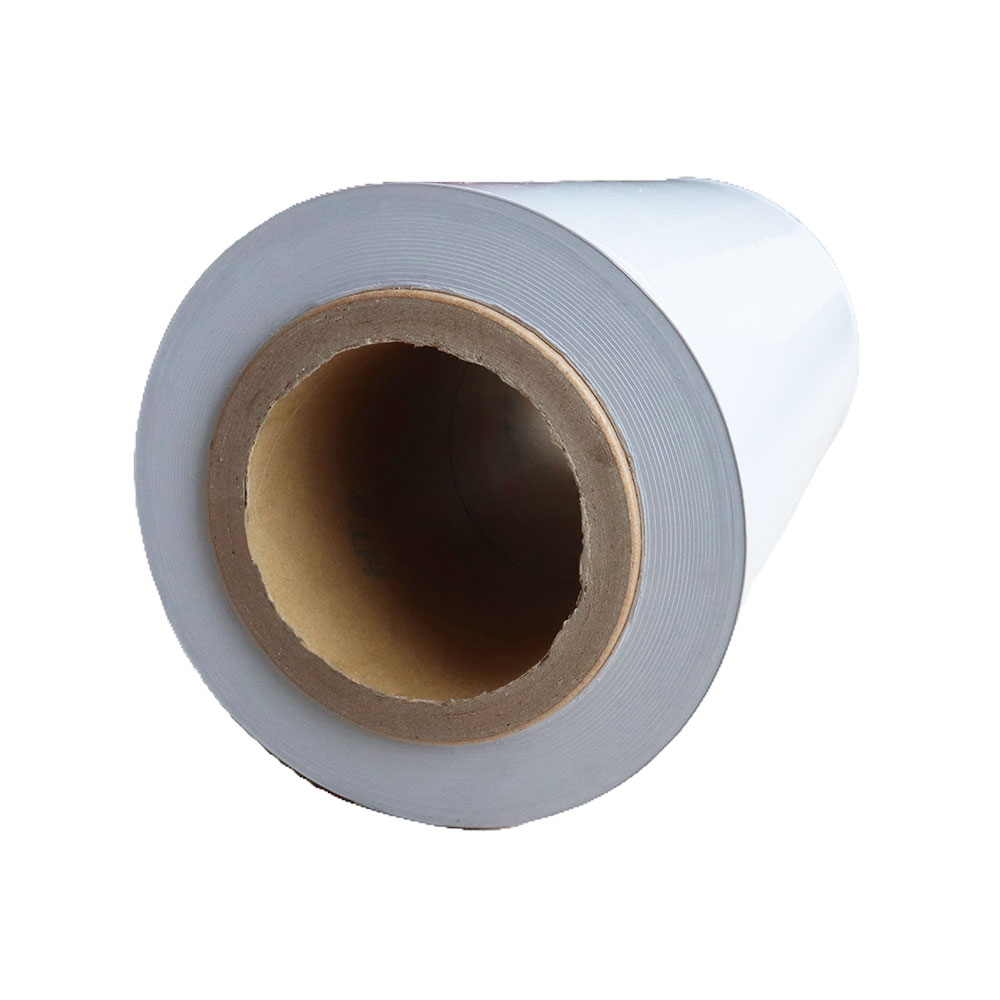
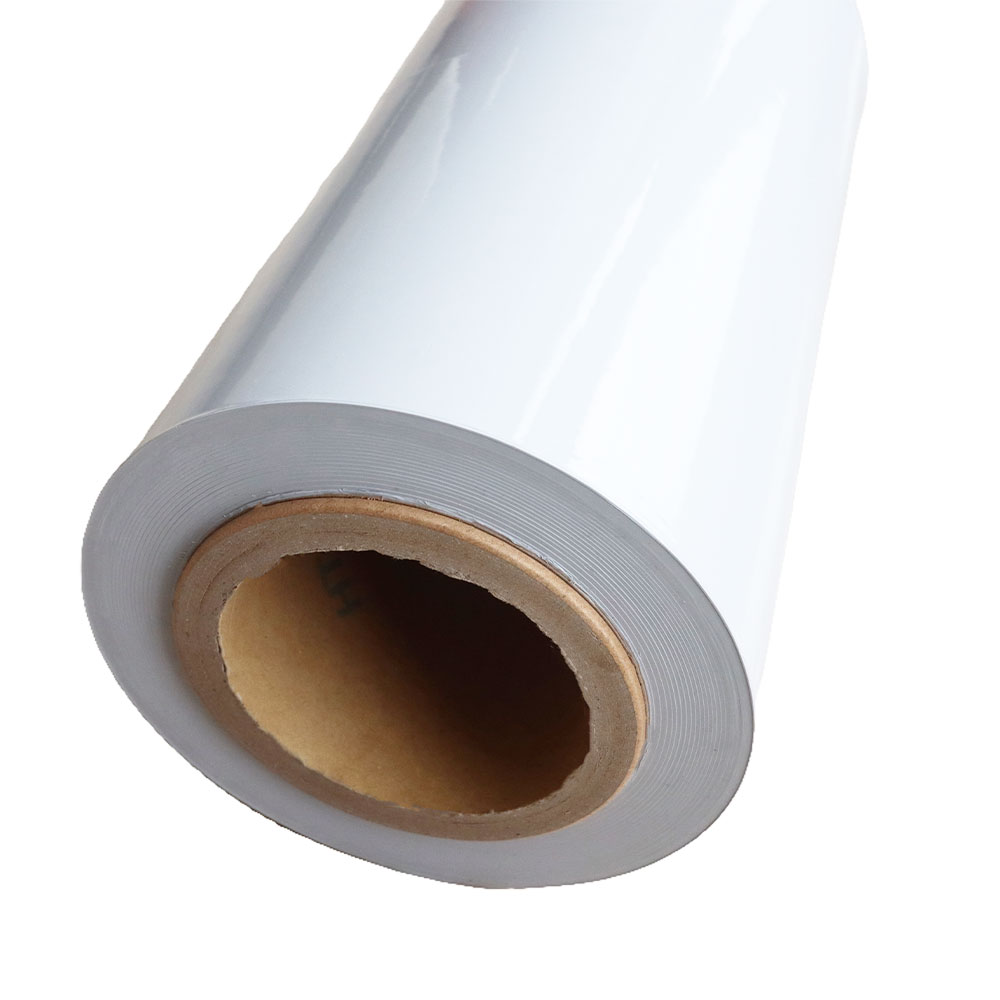
White-pigmented shading cross-linked shrink film uses titanium dioxide (TiO₂) at loadings typically between 5–15% to achieve high opacity with a clean, retail-friendly appearance. White opaque cross-linked shrink film reflects rather than absorbs incident light, which means it also provides a degree of thermal protection — reducing the temperature rise inside the package from radiant heat sources. This makes white shading film particularly relevant for refrigerated display cases where overhead lighting causes localized warming of the top surface of wrapped products. Other pigment colors — black, silver, gold, and custom brand colors — are available and serve both functional shading and brand differentiation purposes simultaneously.
For applications where product visibility is commercially important — fresh meat at the retail counter, produce, cosmetics, and bottled beverages — total opacity is not an acceptable solution. UV-absorbing cross-linked shrink film maintains optical transparency in the visible range while selectively blocking ultraviolet radiation. This is achieved by incorporating UV absorber compounds such as benzophenones, benzotriazoles, or hindered amine light stabilizers (HALS) into the film formulation. These additives absorb UV photons and dissipate the energy as heat rather than allowing it to pass through to the product.
A well-formulated UV-blocking cross-linked shrink film can achieve greater than 95% UV blockage in the 280–380 nm range while maintaining haze values below 3% — meaning the film looks effectively clear to the consumer while providing meaningful photodegradation protection to the product. The limitation of this approach is that it does not block visible light, so products that are sensitive to the full light spectrum rather than just UV require either a higher pigment loading or a combination approach using both UV absorbers and partial pigment tinting.
A third approach uses vacuum metallization or barrier coating applied to the cross-linked shrink film surface to create a reflective, partially opaque layer. Metallized shading cross-linked shrink film provides a distinctive silver appearance that communicates premium positioning on shelf while simultaneously blocking a substantial portion of incident light. Aluminum metallization at optical density levels of 1.5–2.5 typically achieves 90–99% light blockage depending on coating uniformity. The metallized surface also acts as a partial moisture and oxygen barrier, adding a secondary protective function to the shading performance.
Not every product needs light-protective packaging, but for categories where light-induced degradation is a documented quality or safety issue, shading cross-linked shrink film represents a meaningful functional upgrade over standard clear film. The following product categories are where the specification is most commonly and most justifiably applied.
Light-induced discoloration is one of the primary quality complaints in fresh meat retail. Oxymyoglobin, the bright red pigment responsible for the consumer-preferred color of fresh beef, oxidizes to metmyoglobin — a brown compound — when exposed to light and oxygen simultaneously. The process is accelerated significantly by blue light in the 430–450 nm range, which is prevalent in LED retail case lighting. UV-absorbing or partially tinted cross-linked shrink film applied to retail beef, lamb, and pork cuts extends the saleable display window by slowing this color change, reducing markdown rates and unsaleable product losses that represent a significant cost center for fresh meat retailers and processors.
Light oxidation in dairy products generates off-flavors — described as "light-struck," "cardboard," or "metallic" — through the photo-oxidation of riboflavin (vitamin B2) and subsequent chain reactions involving unsaturated fatty acids. Shading cross-linked shrink film applied to cheese blocks, sliced cheese portions, and processed dairy products significantly reduces riboflavin-mediated photo-oxidation. Studies in packaged cheese have demonstrated that UV-blocking shrink film extends flavor stability by 30–60% compared to standard clear film under equivalent display lighting conditions, which directly translates to extended shelf life and reduced consumer complaints.
Many active pharmaceutical ingredients (APIs) and dietary supplement compounds are photolabile — they undergo chemical degradation when exposed to UV or visible light. Vitamins A, B₂, C, D, and K are all documented to degrade under light exposure, as are certain antibiotics, antihistamines, and cardiovascular medications. Opaque or UV-blocking cross-linked shrink film used as an overwrap for blister packs, bottle multipacks, and unit-dose bundles provides an additional light barrier layer beyond the primary packaging without adding significant bulk or weight. The cross-linked construction is particularly valued in pharmaceutical packaging because the e-beam irradiation process simultaneously sterilizes the film, satisfying regulatory requirements for sterile overwrap applications.
Beer is acutely sensitive to UV and blue light exposure. The isomerized alpha acids from hops react with UV photons to produce 3-methyl-2-butene-1-thiol — the compound responsible for the "skunked" flavor that develops in light-struck beer within minutes of exposure. While brown glass bottles provide substantial UV protection, clear glass and PET bottle formats are highly vulnerable. Shading cross-linked shrink film applied as a label carrier or bottle bundle wrap on clear-packaged beer provides a meaningful UV exposure reduction during retail display. Wine is similarly affected by UV light through photodegradation of sulfur dioxide preservatives and tannin oxidation. Bottled juice products lose color vibrancy and vitamin C content under prolonged light exposure, making shading film relevant for premium juice multipacks displayed in transparent retail environments.
Active ingredients in cosmetic formulations — retinol, ascorbic acid, certain peptides, and botanical extracts — are frequently photosensitive. Shading cross-linked shrink film used as an overwrap for cosmetic sets, gift packaging, and multipack configurations provides UV protection during the retail display period and shipment. The film's optical clarity options allow brands to choose between fully transparent UV-absorbing variants that maintain product visibility and lightly tinted or metallized variants that add a premium visual effect while delivering stronger light attenuation.
When evaluating shading cross-linked shrink film options from different suppliers, the following specifications are the most practically relevant for matching film performance to application requirements. Requesting these data points in writing before committing to a trial or production run is standard practice.
| Specification | What It Measures | Typical Range | Relevant Test Method |
| UV Transmittance (%) | Percentage of UV light (280–380 nm) passing through the film | <1% to 15% depending on additive level | ASTM D1003 / spectrophotometer scan |
| Visible Light Transmittance (%) | Transparency in the 400–700 nm visible range | 0% (opaque) to >90% (clear UV-only) | ASTM D1003 |
| Haze (%) | Optical clarity — lower is clearer | 1–5% (UV-absorber type); N/A (opaque) | ASTM D1003 |
| Gel Content (%) | Degree of cross-linking achieved | 60–85% typical for packaging grade | ASTM D2765 |
| Free Shrink (%) | Shrink percentage at specified temperature (MD and TD) | 40–80% at 120°C depending on gauge | ASTM D2732 |
| Puncture Resistance (N) | Force required to puncture the film | 8–25 N depending on gauge and cross-link density | ASTM F1306 |
| Seal Strength (N/15mm) | Peel force required to open heat seal | 10–30 N/15mm | ASTM F88 |
| Food Contact Compliance | Regulatory clearance for direct food contact | EU 10/2011 or FDA 21 CFR §177.1520 | Supplier declaration of conformity |
One specification that is sometimes overlooked but practically important is additive migration — the potential for UV absorber compounds incorporated into the film to migrate into direct food contact products over time. For transparent UV-blocking cross-linked shrink film used in direct food contact applications, request migration test data specifically for the UV absorber compounds used in the formulation, validated against the food simulants relevant to your product category. Reputable suppliers of food-grade shading cross-linked shrink film will have this data available as part of their regulatory compliance package.
Shading cross-linked shrink film processes on the same L-bar sealers, side-seal machines, and heat tunnels used for standard cross-linked polyolefin shrink film. The cross-linked polymer backbone means the processing window guidance for standard cross-linked POF broadly applies — activation temperatures in the 120–175°C range, wide dwell time tolerance, and good hot tear resistance on tunnel exit. However, pigment-loaded shading variants introduce some specific processing considerations that are worth understanding before running your first production trial.
Carbon black and dark-pigmented shading cross-linked shrink film absorbs radiant heat more efficiently than clear or white film. In practice, this means dark shading film may reach shrink activation temperature faster for a given tunnel setting, potentially requiring a slight reduction in tunnel temperature or an increase in conveyor speed compared to your existing clear film baseline. White opaque shading film behaves in the opposite direction — the TiO₂ pigment reflects radiant heat, which can require marginally higher tunnel temperatures or slower conveyor speeds to achieve equivalent shrink activation. These adjustments are typically small — 5–15°C or equivalent conveyor speed changes — but running a dedicated qualification trial with the specific shading film grade before production commitment avoids surprises.
Pigment loading can affect the thermal conductivity of the film at the seal zone, which in turn affects the heat transfer efficiency from the sealer jaw to the film. If your existing sealer jaw temperature and dwell time settings were optimized for clear cross-linked film, the same settings on a heavily pigmented shading variant may produce slightly weaker seals or, in some cases, over-sealed, brittle seals. Check seal strength against the minimum specification for your application after the initial setup and adjust jaw temperature in 2–3°C increments as needed. This is a one-time calibration step rather than an ongoing issue, and the wide processing window of cross-linked film makes it manageable.
Highly pigmented shading cross-linked shrink film — particularly carbon black grades — can exhibit higher static charge buildup during unwinding and feeding than standard clear film, especially in low-humidity production environments. Static charge causes film to cling to itself, mistrack on film guides, and attract dust contamination that becomes visible in the finished pack. Anti-static bars positioned at the film unwind station are the standard solution and are a worthwhile investment if you run opaque shading film regularly. Many shading cross-linked shrink films are formulated with anti-static additives to mitigate this, so ask your supplier whether anti-stat is included in the formulation before adding external equipment.
The decision between transparent UV-absorbing cross-linked shrink film and fully opaque shading cross-linked shrink film comes down to three factors: the light sensitivity profile of your product, the commercial importance of product visibility at retail, and the degree of light protection required. Neither option is universally superior — the right choice depends on your specific application.
Shading cross-linked shrink film is not the only way to protect light-sensitive products in retail packaging, and understanding how it compares to alternative approaches helps justify the specification or identify where a different solution might be more practical.
Secondary opaque cartons or sleeves are the traditional approach to light protection — wrapping a clear primary package in a printed paperboard sleeve that blocks light entirely. This is effective but adds material cost, increases packaging line complexity, and adds pack weight. For products where the shrink film is already part of the packaging specification — multipack bundling, overwrapping, portion packaging — switching to a shading cross-linked shrink film variant adds light protection at minimal incremental cost compared to adding a separate carton or sleeve. The film gauge typically increases by only 1–2 microns for UV-absorber variants and 2–4 microns for pigmented opaque variants, which is a modest material cost increase relative to the commercial value of extended shelf life and reduced light-induced quality complaints.
UV-filtering retail case glass and LED lighting with reduced UV output are infrastructure-level solutions that some retailers implement to reduce light-induced quality degradation across all products in a display case. These are effective but require capital investment by the retailer rather than the brand, and they don't protect the product during transport, warehouse storage, or handling at non-controlled retail environments. Shading cross-linked shrink film protection travels with the product throughout the entire supply chain, providing consistent light attenuation regardless of the retail environment the product ends up in — a meaningful advantage for brands selling through multiple retail channels with varying display conditions.
Why POF Film Prevails as Traditional PVC Suffers Heavy Setbacks
Cross-Linked Shrink Film Explained: What It Is, How It Works, and When to Use It
Mobile site

alibaba
Copyright © 2023 Zhejiang Zhongcheng Packing Material Co., Ltd. All Rights Reserved. Privacy Polyolefin Shrink Film Manufacturers