
 English
 русский
 Español
Home / News / Industry News / Why is Shading Cross-Linked Shrink Film Revolutionizing the Protection of Light-Sensitive Products?
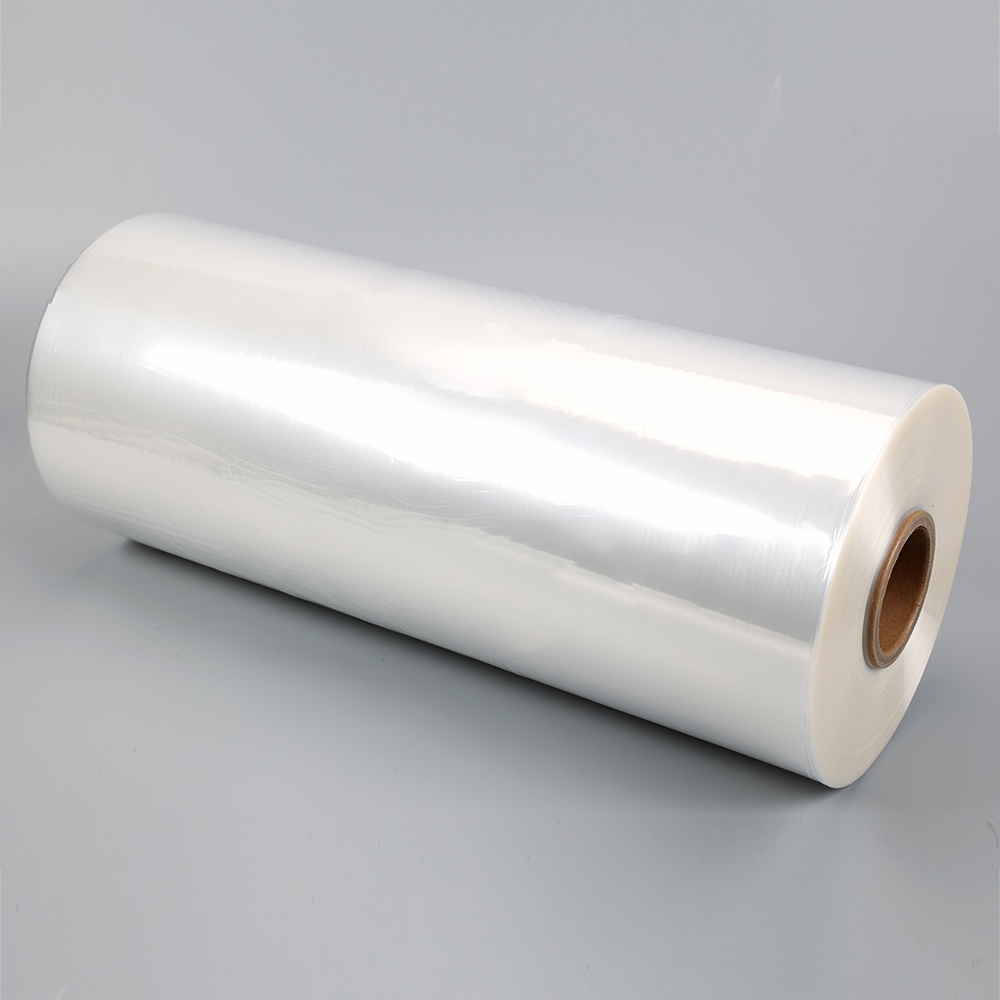
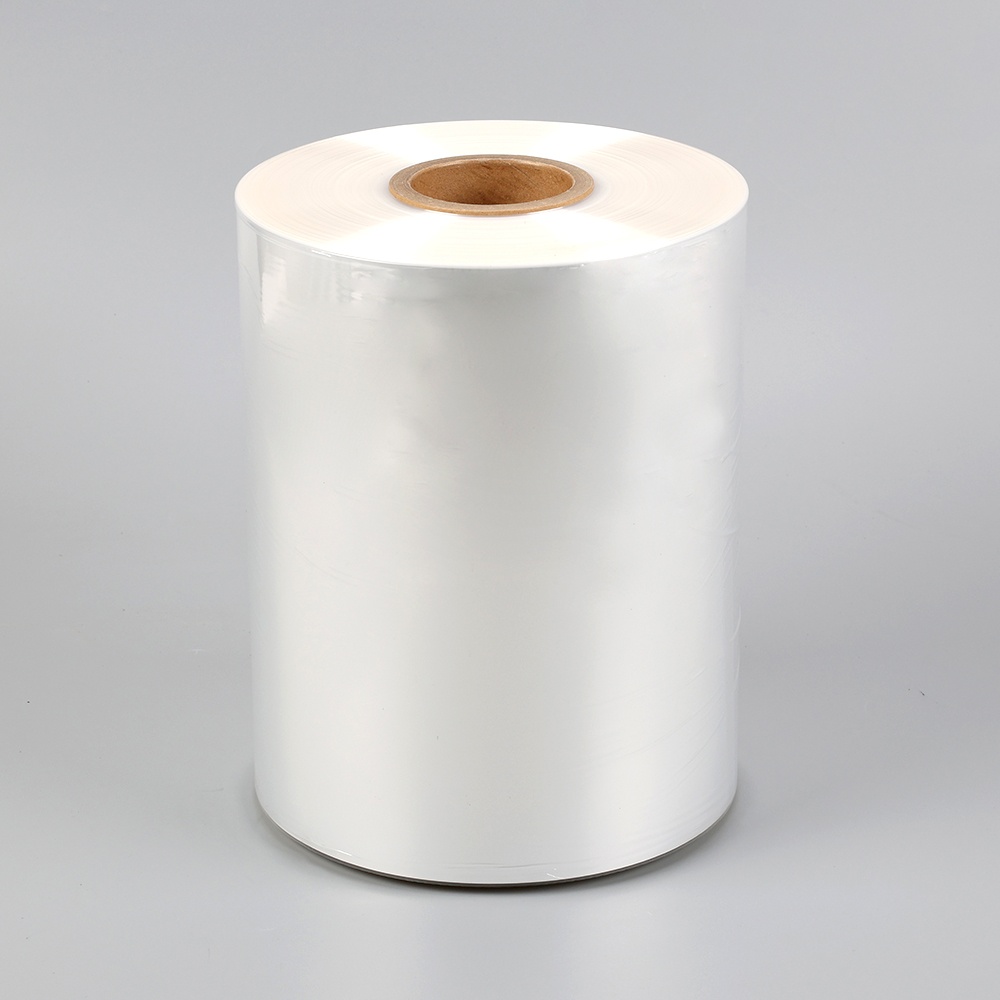
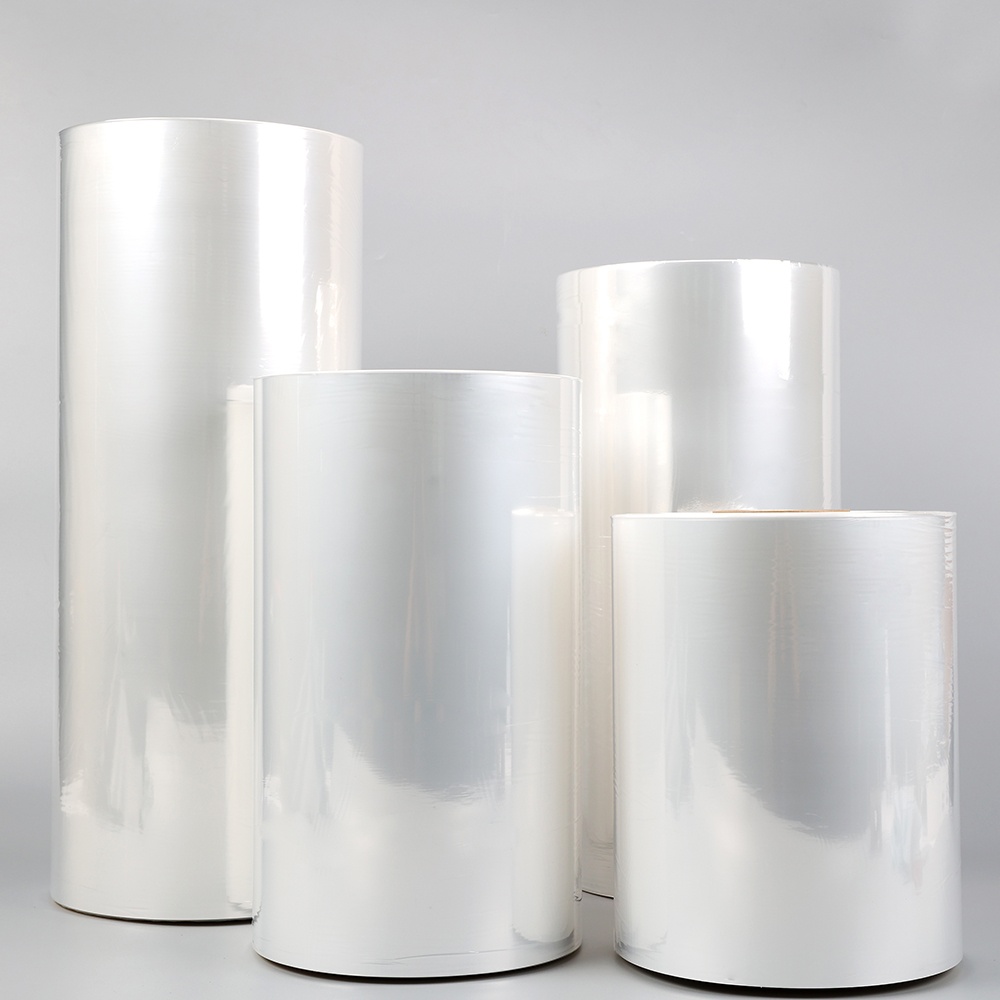
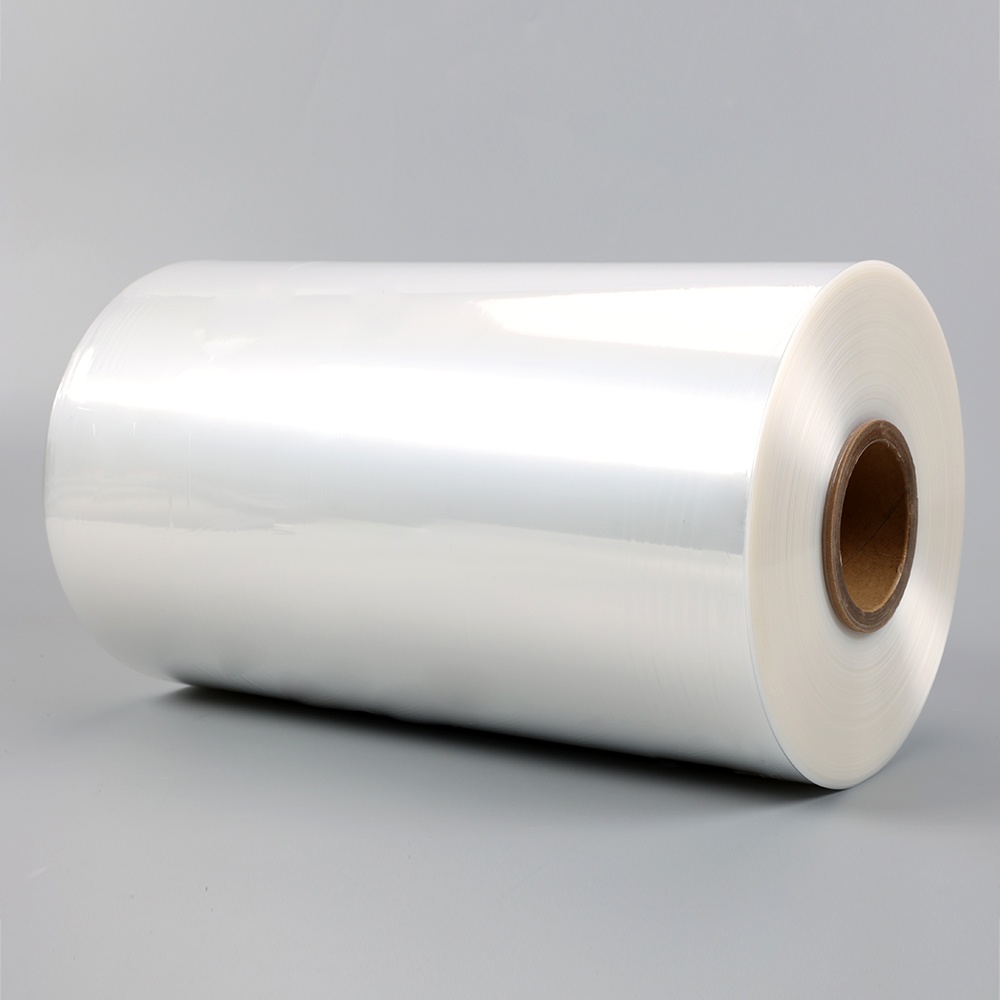
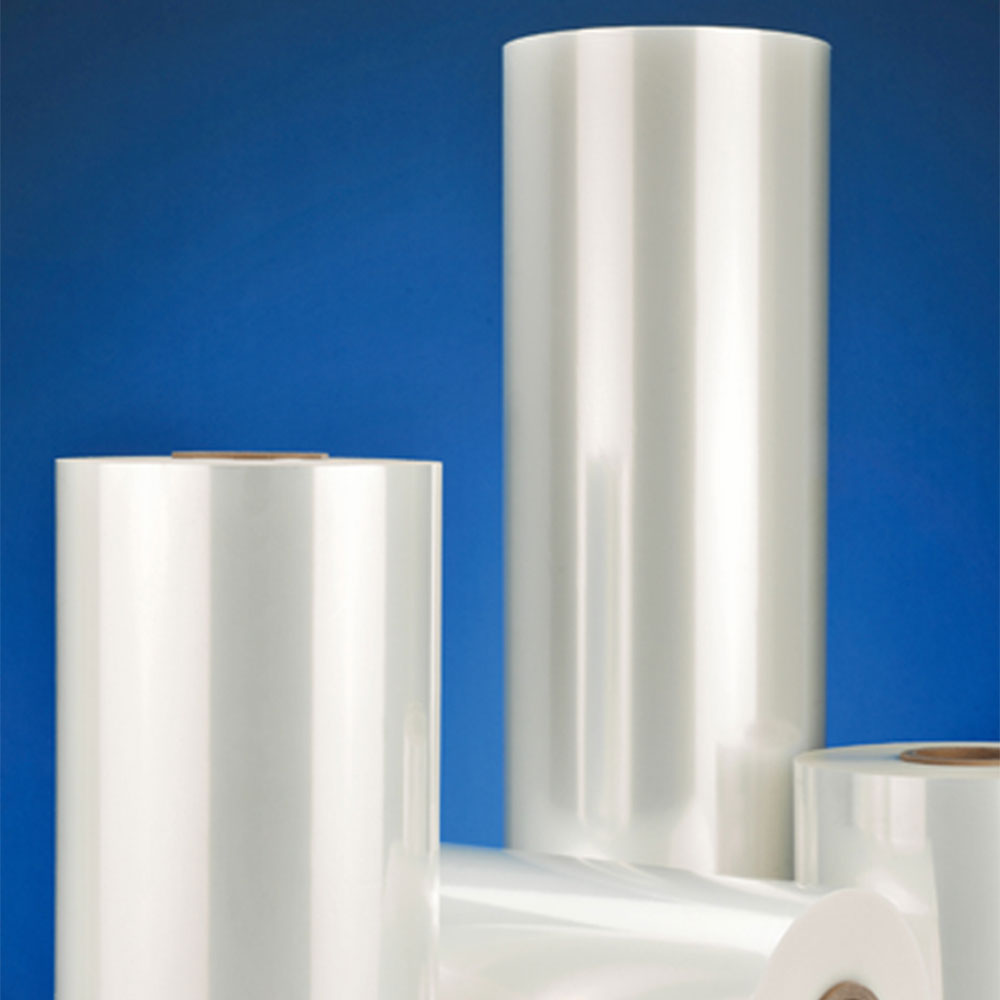
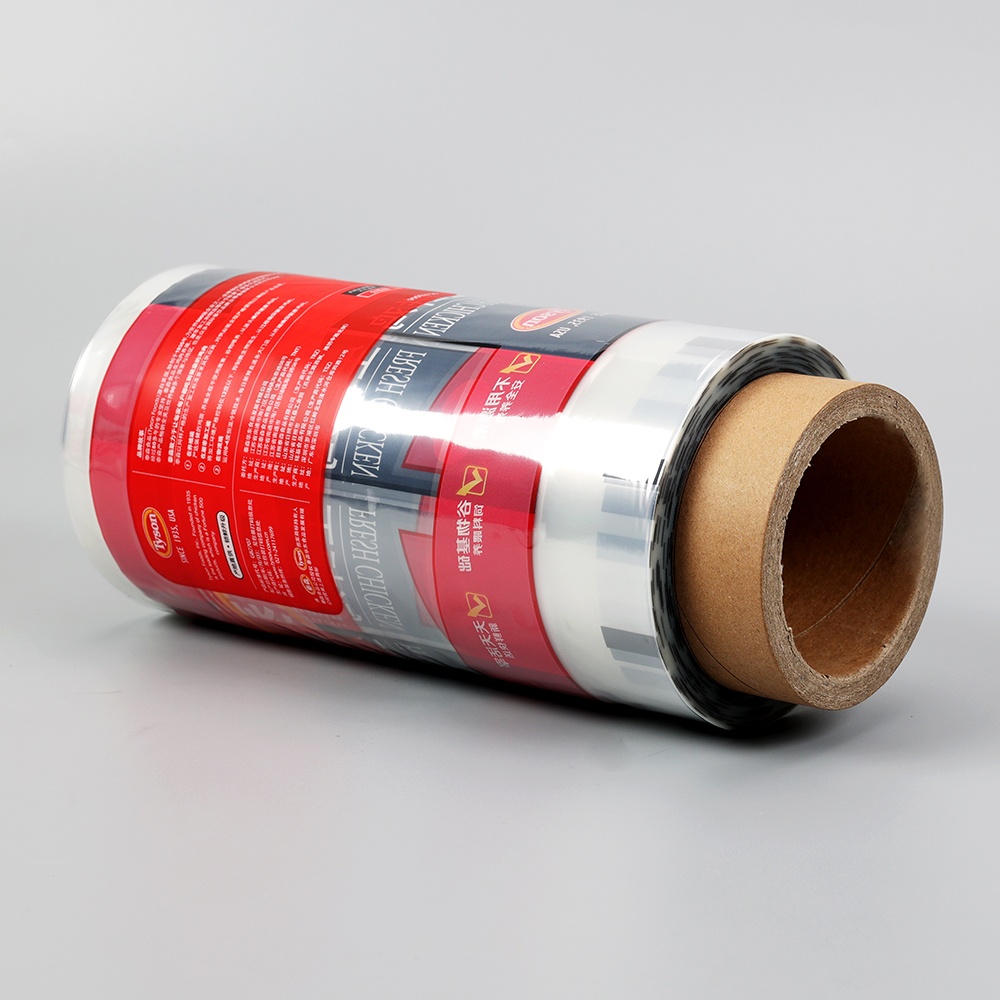
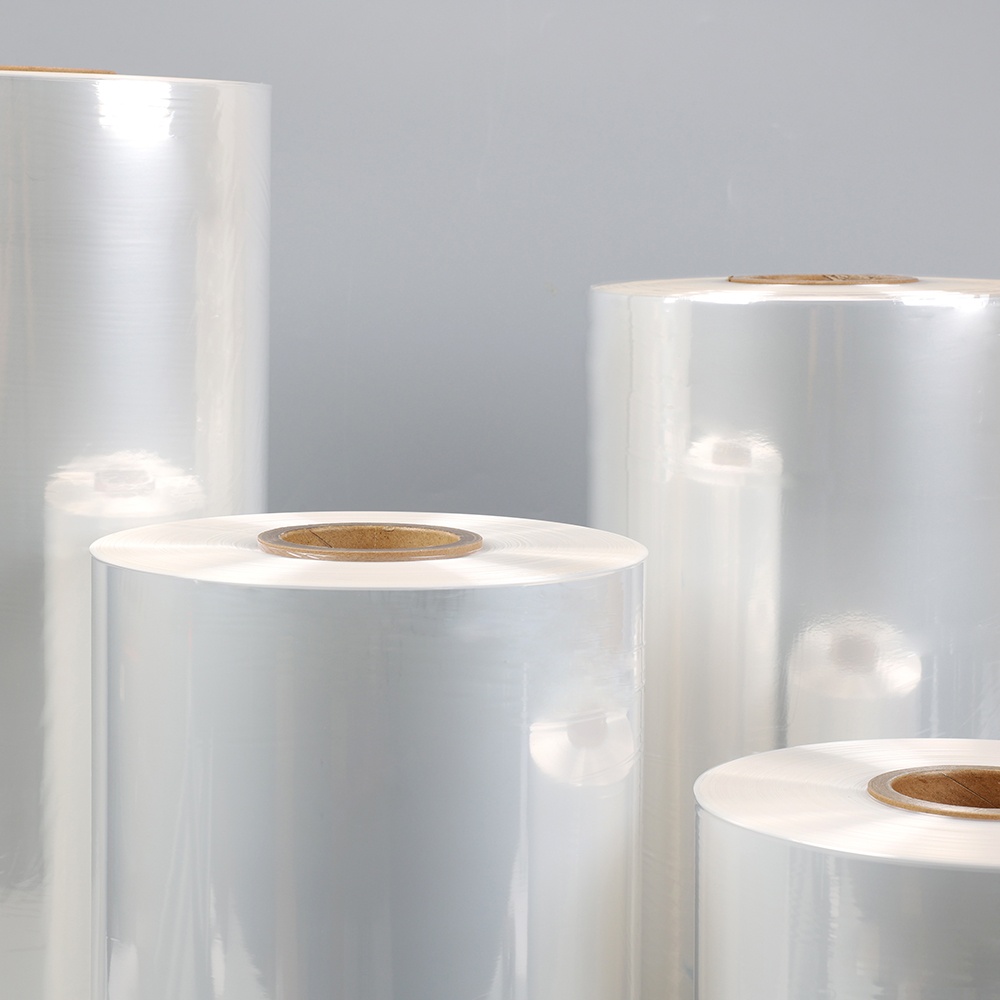
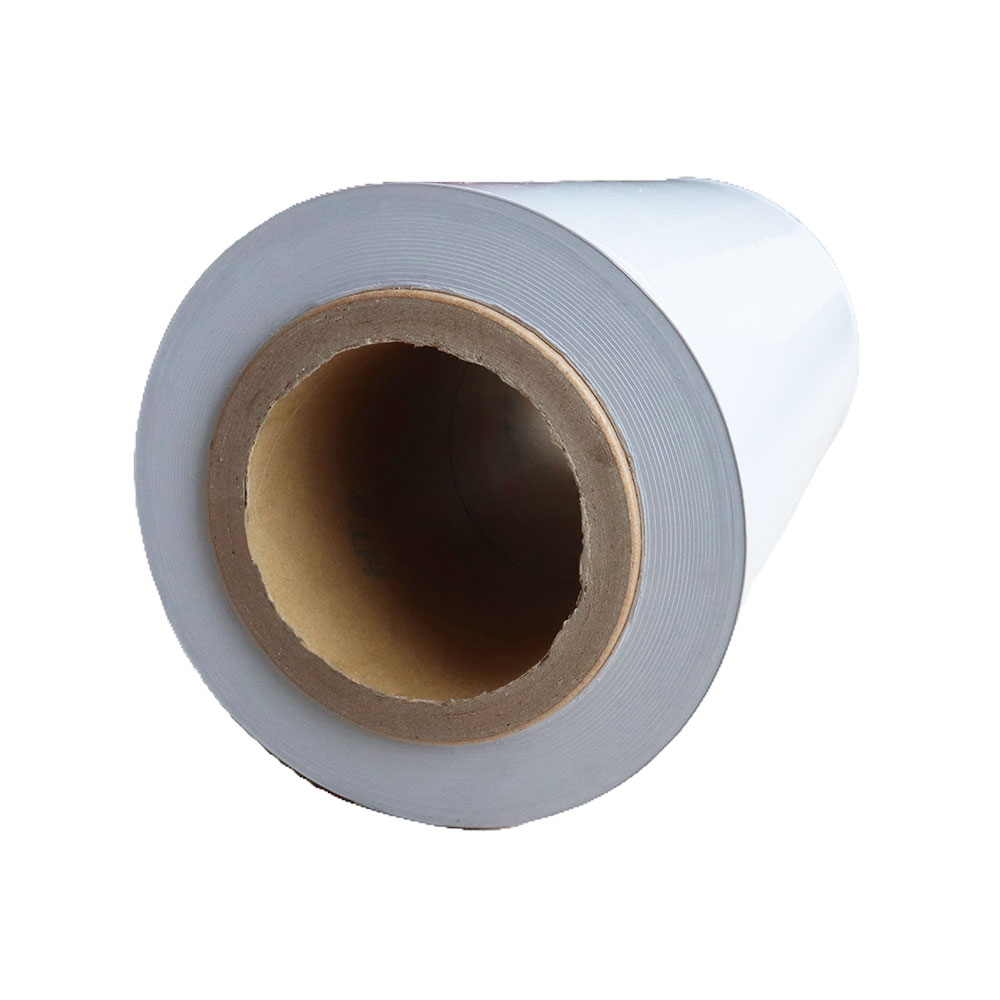
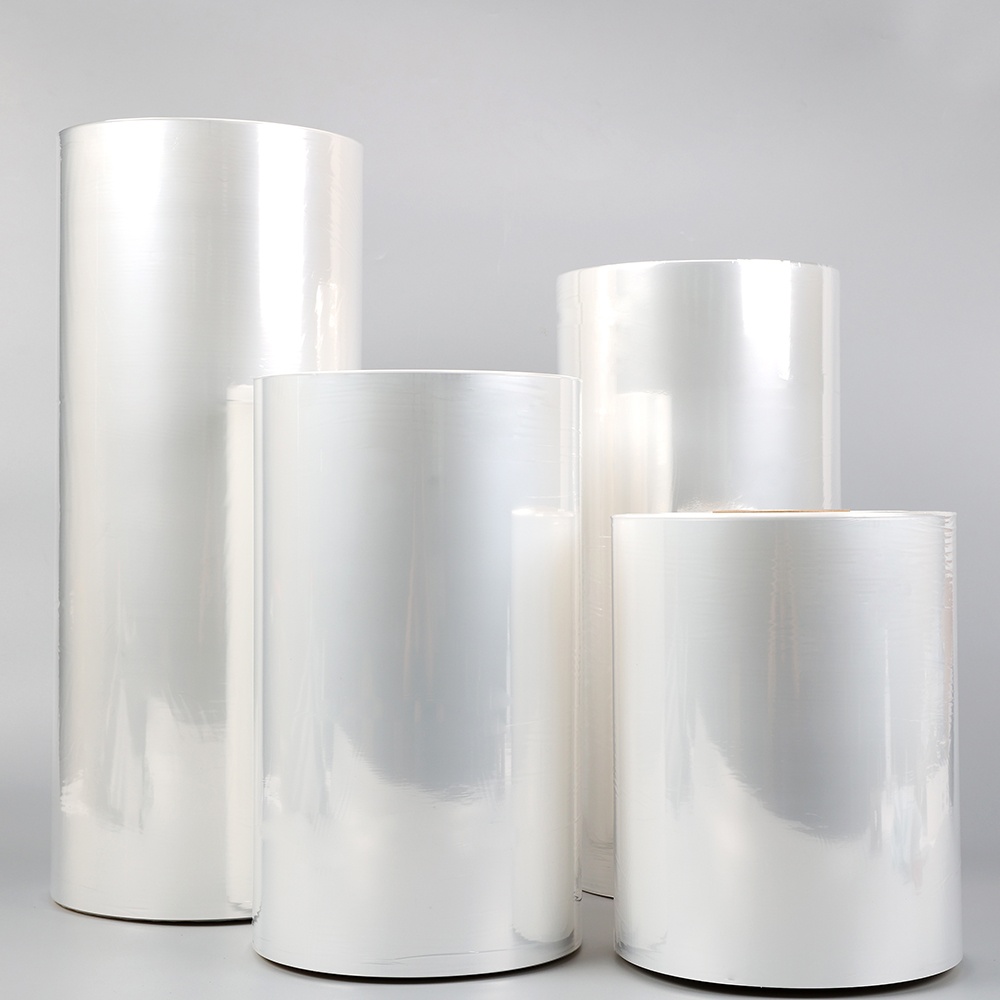
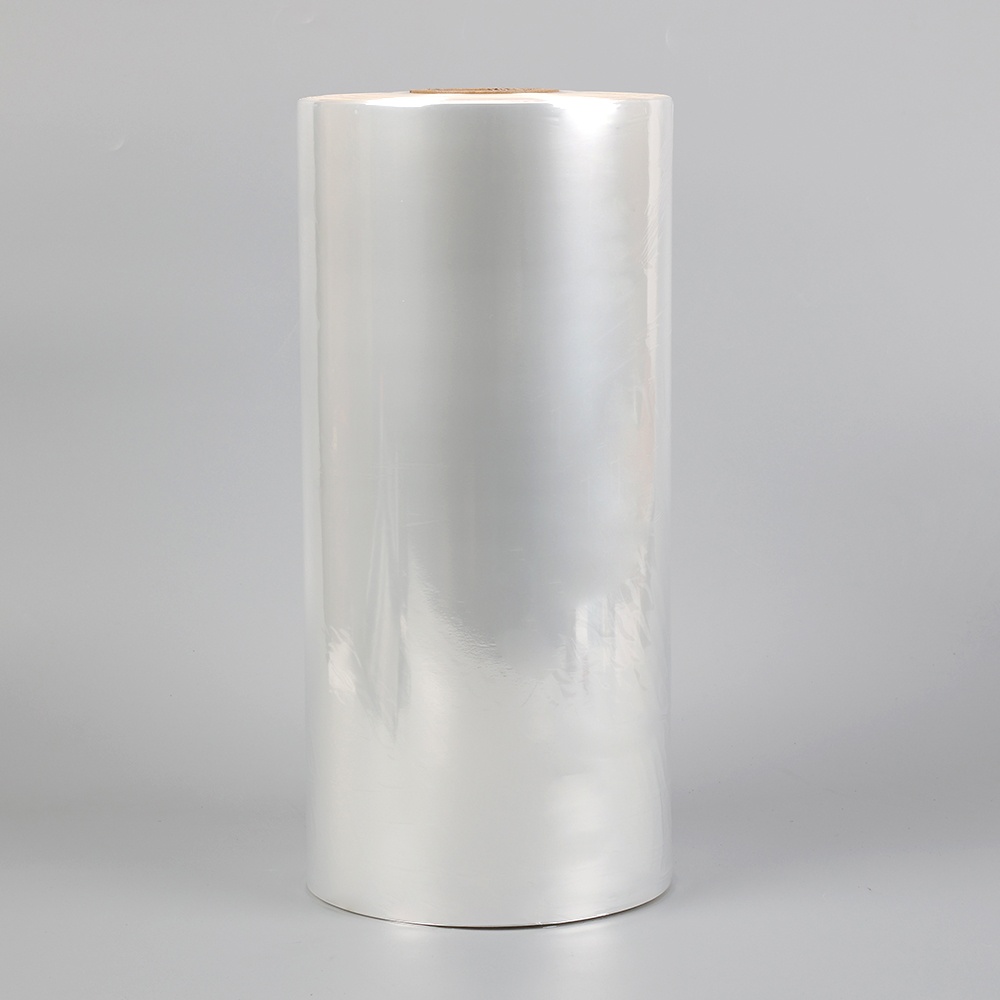
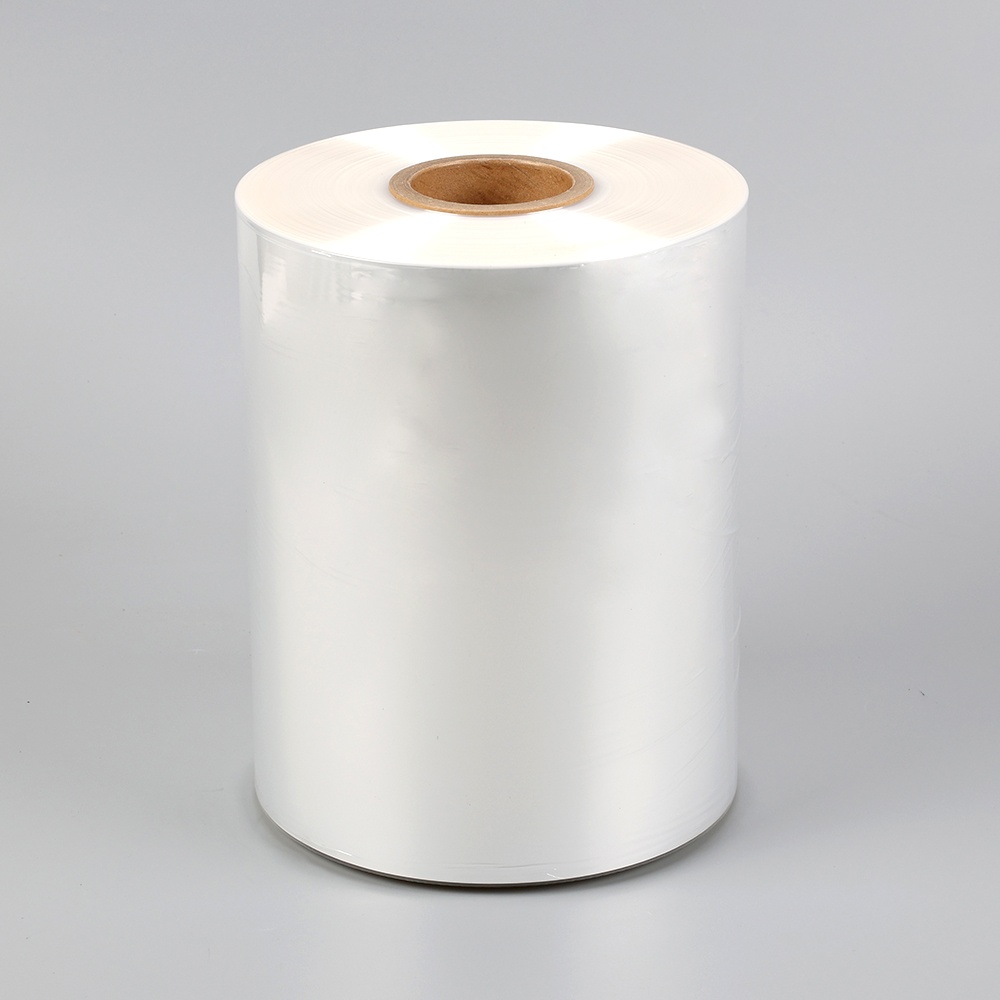
Shading cross-linked shrink film is a specialized packaging material engineered to provide both structural reinforcement and light-blocking capabilities. Unlike standard shrink wraps, the cross-linking process involves subjecting the polymer chain to electronic beam irradiation, which creates strong chemical bonds between the molecular chains. This modification results in a film that possesses superior puncture resistance, higher tensile strength, and more consistent shrinkage rates. The "shading" component is achieved by incorporating specific opacifying agents or pigments during the extrusion process, ensuring that the film acts as a barrier against ultraviolet (UV) and visible light, which is critical for light-sensitive commodities.
The primary advantage of cross-linked technology in shading films is the widened sealing temperature range and improved "memory" of the plastic. This means the film can be processed through high-speed packaging machinery without the risk of burn-through or tearing. Furthermore, the cross-linking prevents the film from becoming brittle over time, maintaining a tight, professional-looking contour around the product regardless of storage conditions or temperature fluctuations during transit.
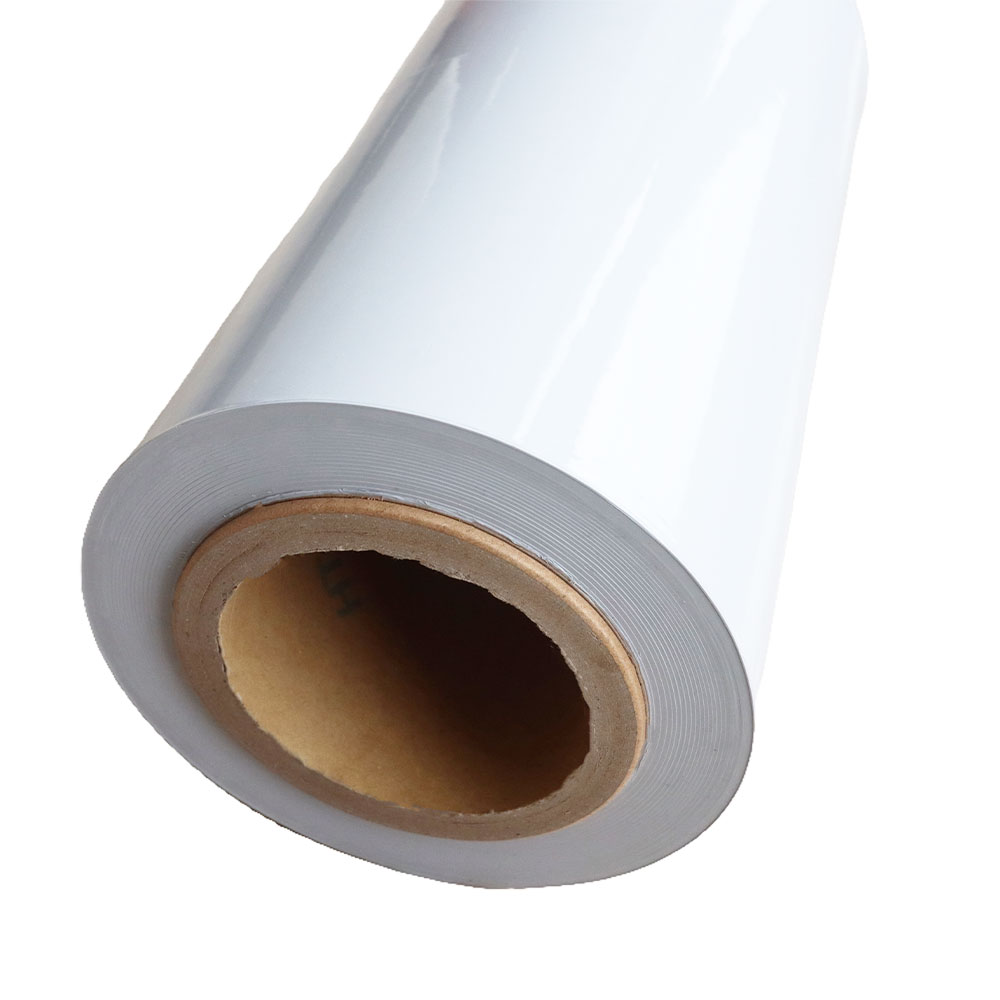
When selecting a shading cross-linked shrink film, it is essential to evaluate the material based on its physical properties and its ability to block light transmission. The following table outlines the standard performance expectations for high-grade industrial shading films:
| Property | Typical Value | User Benefit |
| Opacity Level | 95% - 99.9% | Maximum UV protection |
| Shrinkage Ratio | 60% - 75% | Conforms to irregular shapes |
| Seal Strength | High (>40N/15mm) | Prevents accidental opening |
| Thickness Range | 12 μm - 30 μm | Versatility for various weights |
The integration of shading properties into cross-linked film is not merely for aesthetics; it serves a vital functional role in preserving product chemistry. Exposure to light can trigger oxidation, fading, and nutrient degradation in a variety of high-value goods. By using a shading film, manufacturers can extend the shelf life of their products significantly while ensuring the contents remain hidden for security or branding purposes.
To achieve the best results with shading cross-linked shrink film, operators must calibrate their equipment to account for the film's specific density and opacity. Because shading films often contain pigments, they may absorb heat differently than clear films. It is recommended to conduct a "test run" to determine the optimal tunnel temperature and conveyor speed. Generally, a slightly higher heat setting or a slower conveyor speed may be required compared to standard polyolefin films to ensure a uniform shrink without distortion of the opaque finish.
Proper storage of the film rolls is equally important. Although the film is designed to be durable, rolls should be kept in a cool, dry environment away from direct sunlight before use. This prevents "pre-activation" of the shrink properties and ensures that the cross-linked bonds remain stable for the duration of the packaging process. High-quality shading films should also exhibit low "static" properties to prevent dust accumulation during the wrapping stage, which is particularly important for medical and electronic applications.
Is Your Production Line Ready for High-speed Packaging Polyolefin Shrink Film?
The Ultimate Guide to Cross-Linked Shrink Film: Why It’s the Gold Standard for Modern Packaging
Mobile site

alibaba
Copyright © 2023 Zhejiang Zhongcheng Packing Material Co., Ltd. All Rights Reserved. Privacy Polyolefin Shrink Film Manufacturers