
 English
 русский
 Español
Home / News / Industry News / Is Your Production Line Ready for High-speed Packaging Polyolefin Shrink Film?
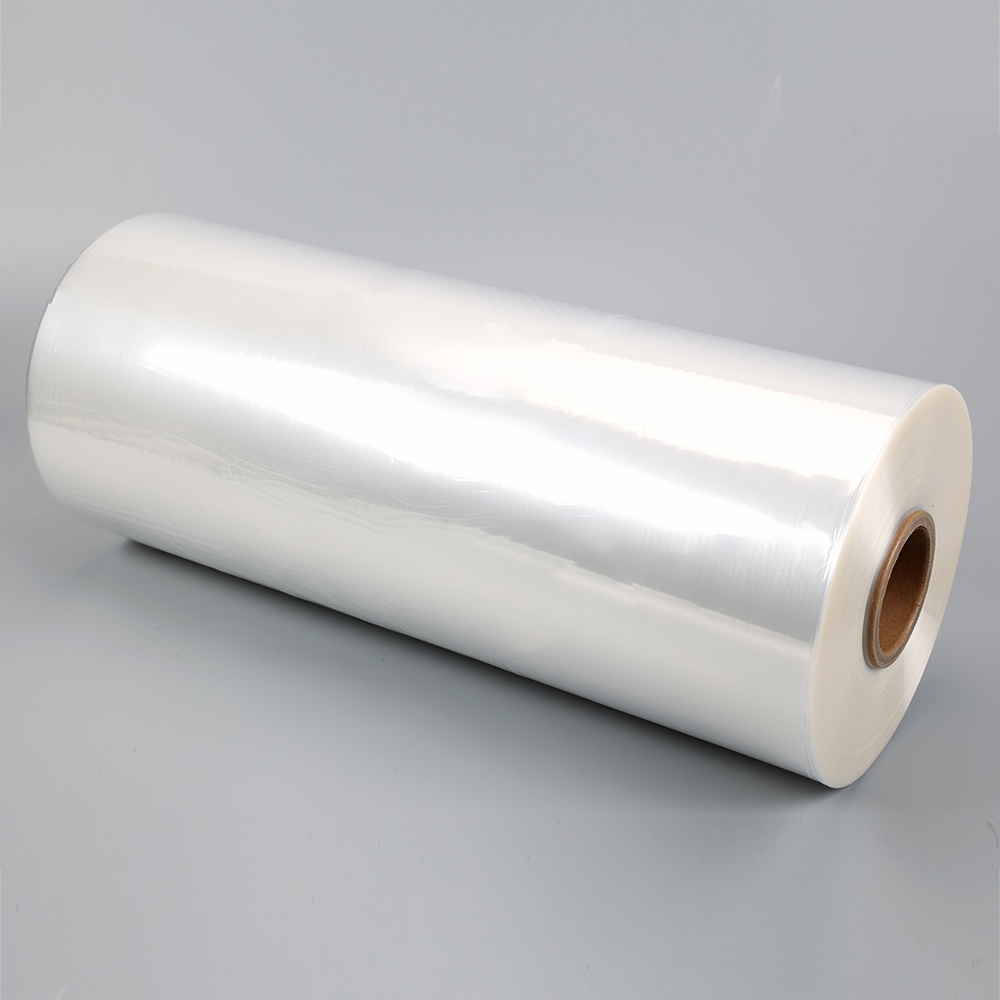
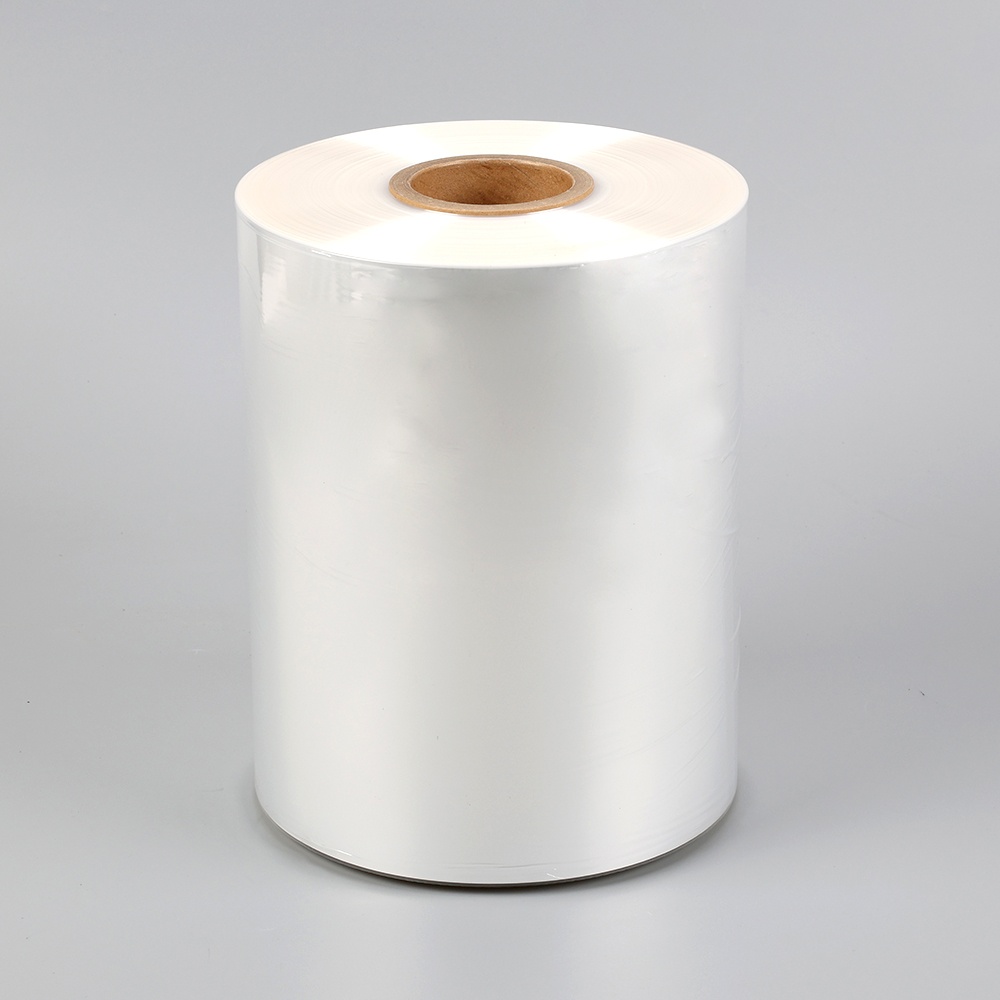
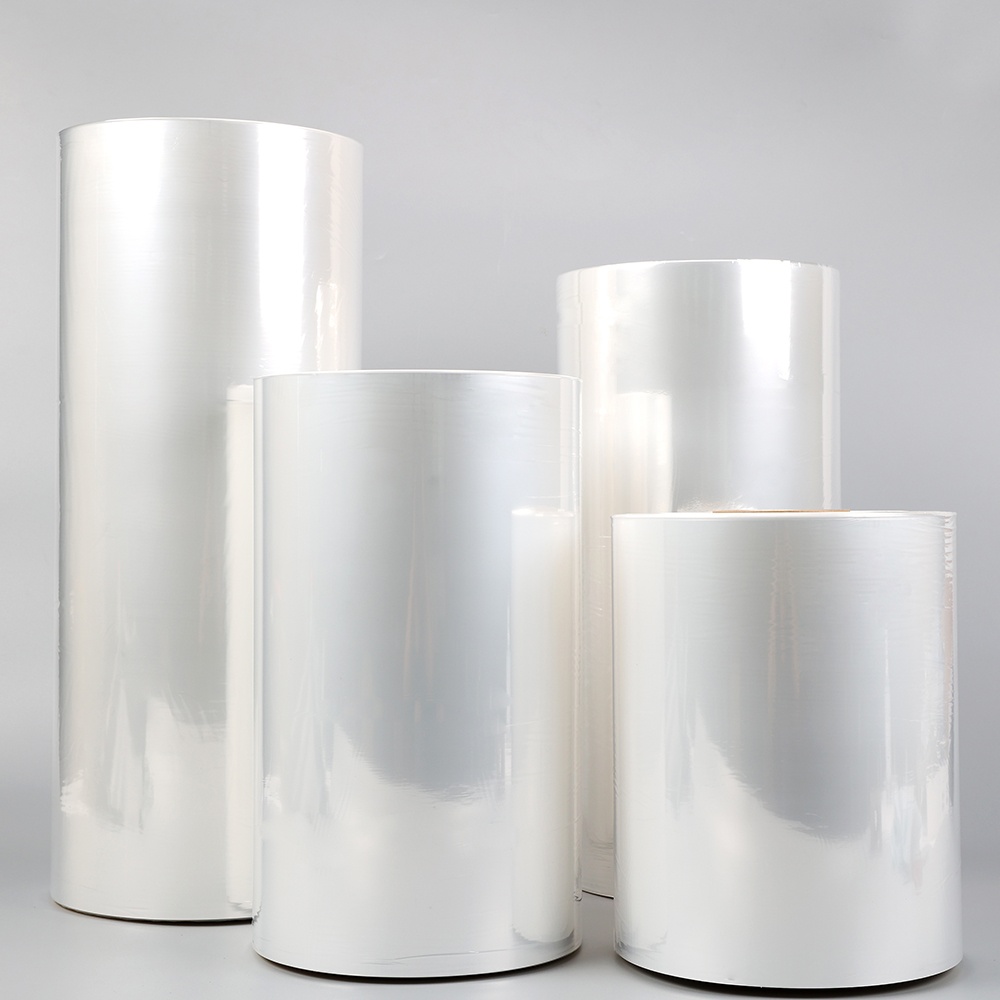
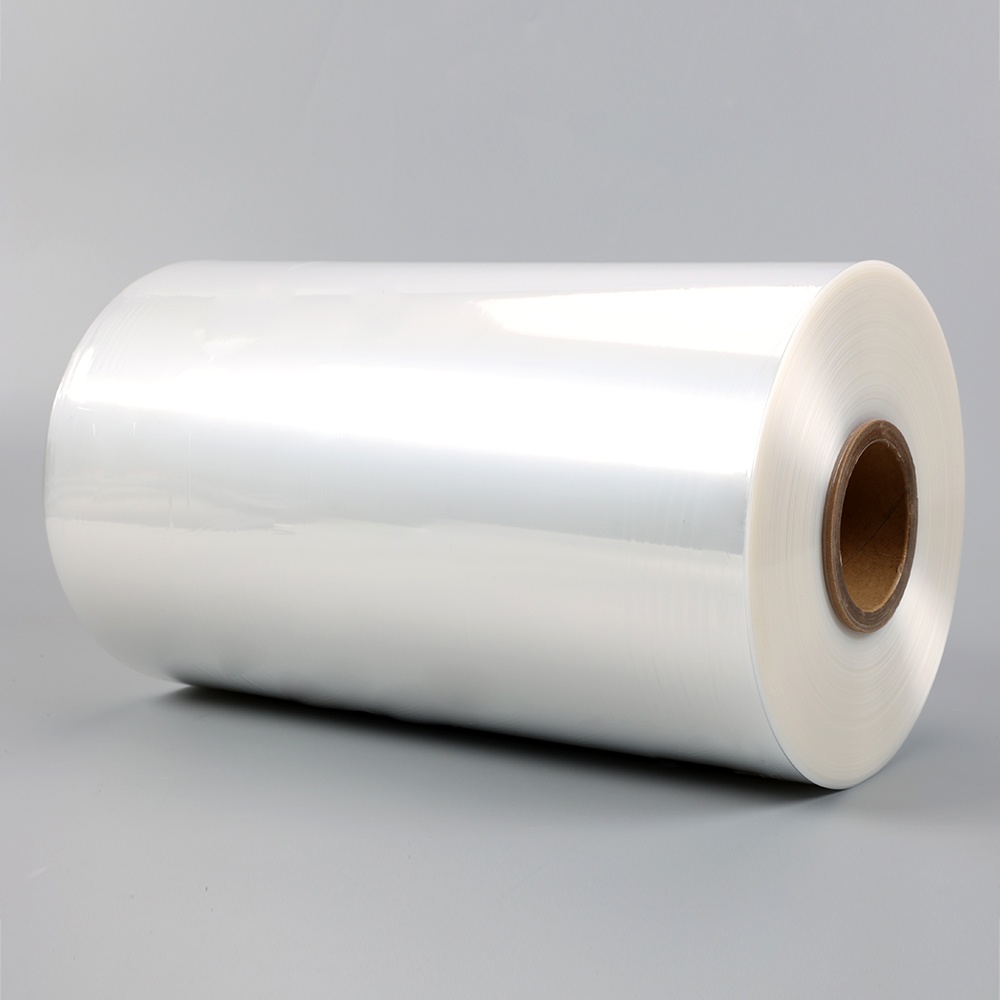
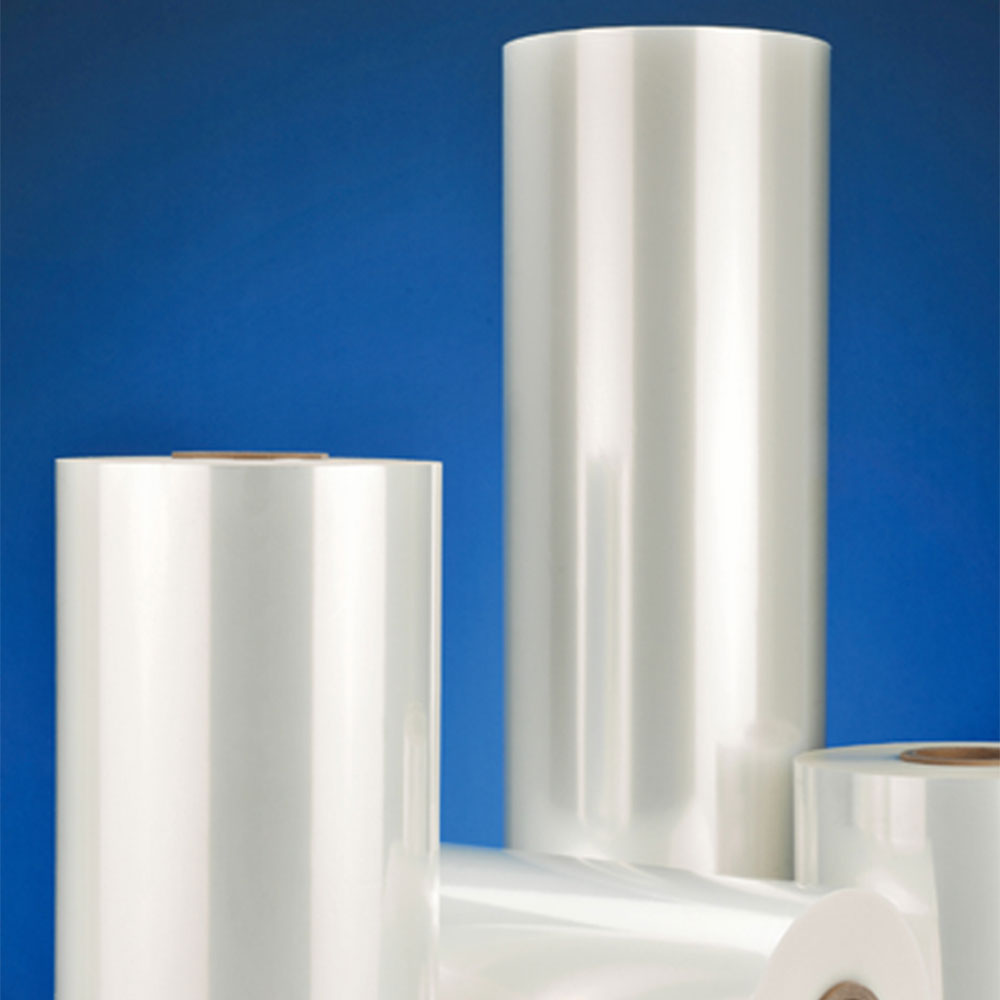
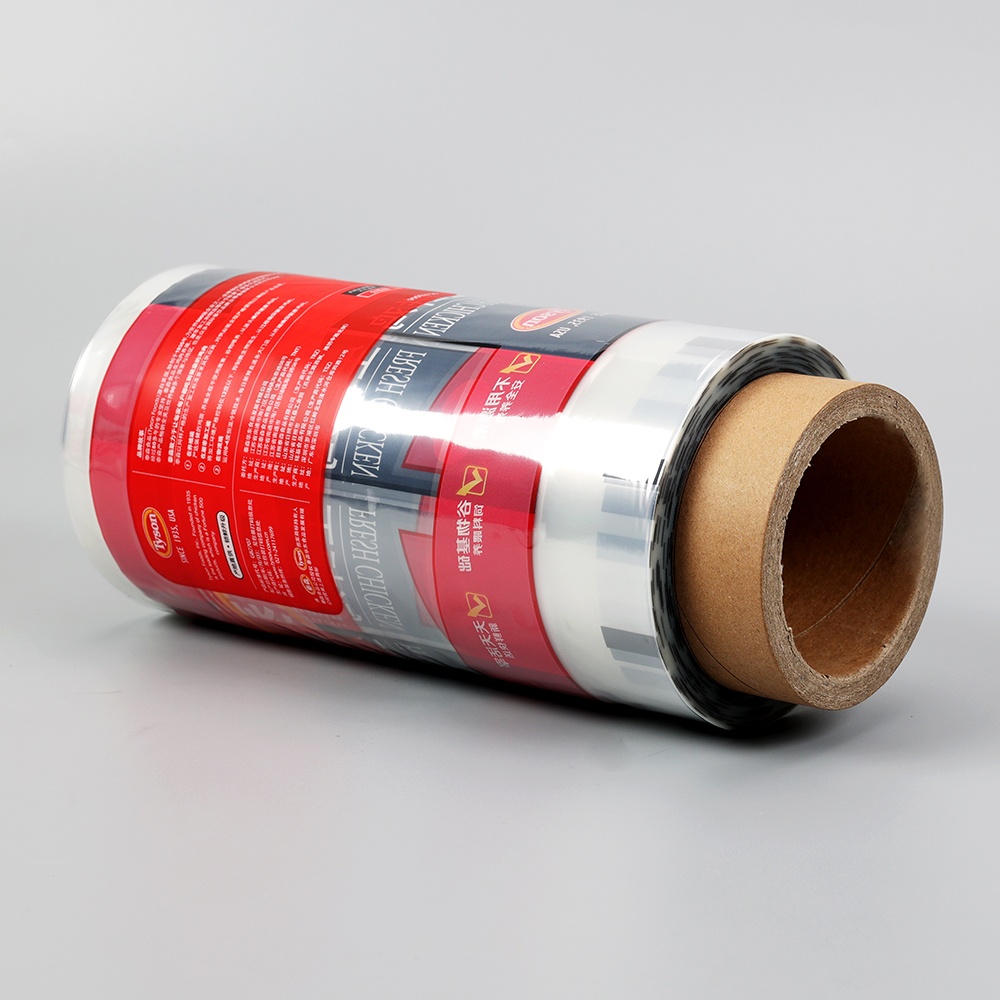
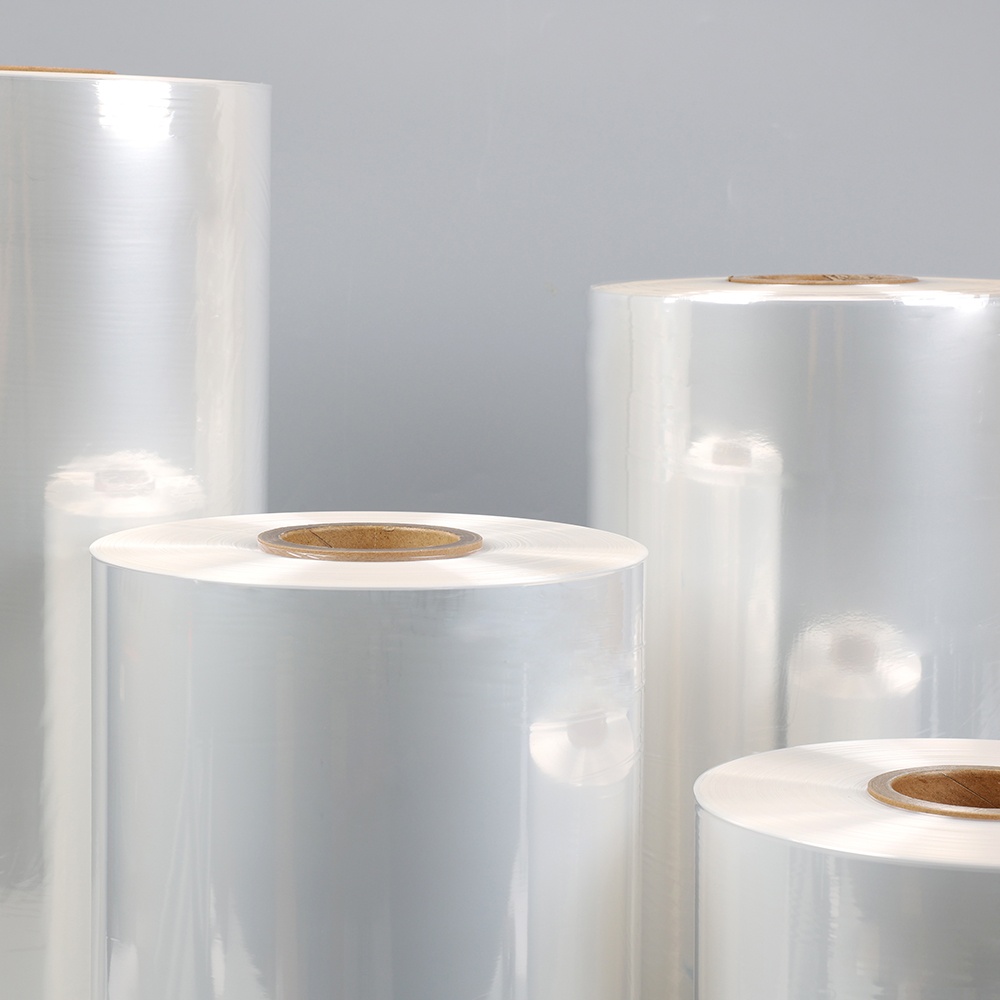
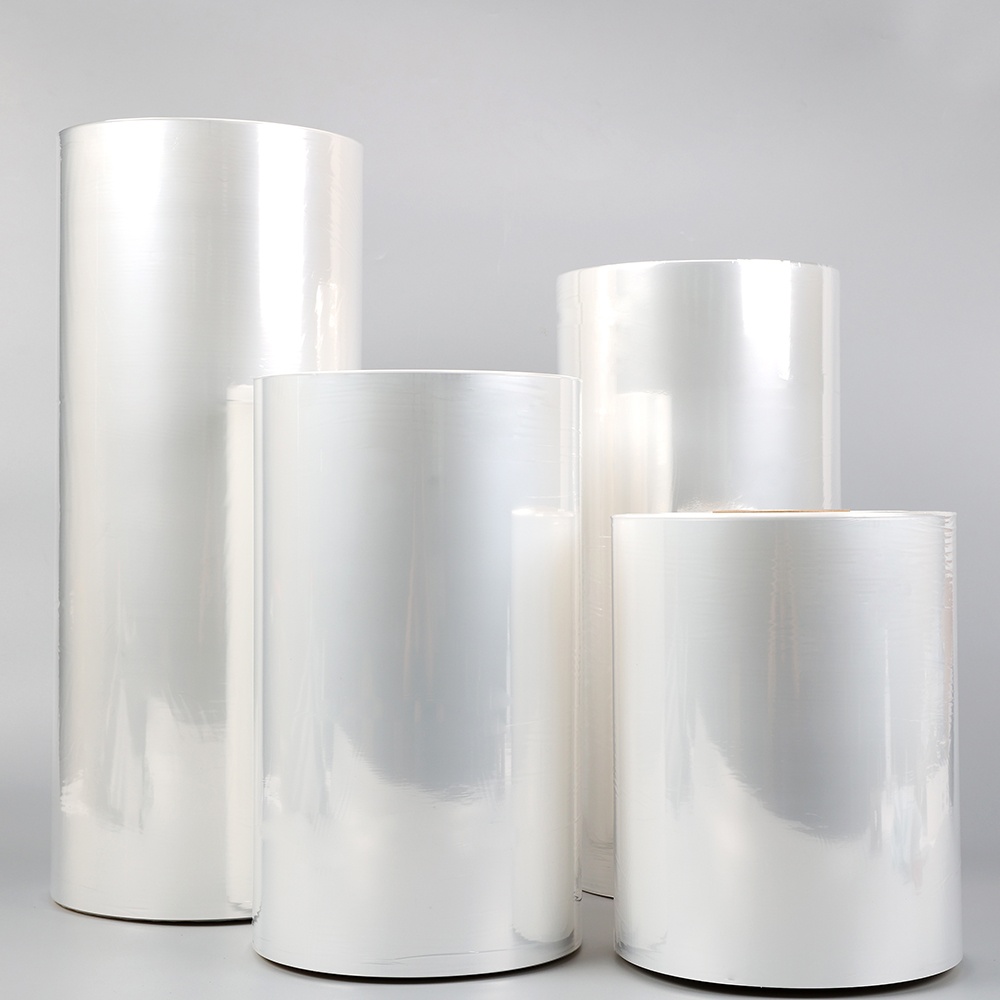
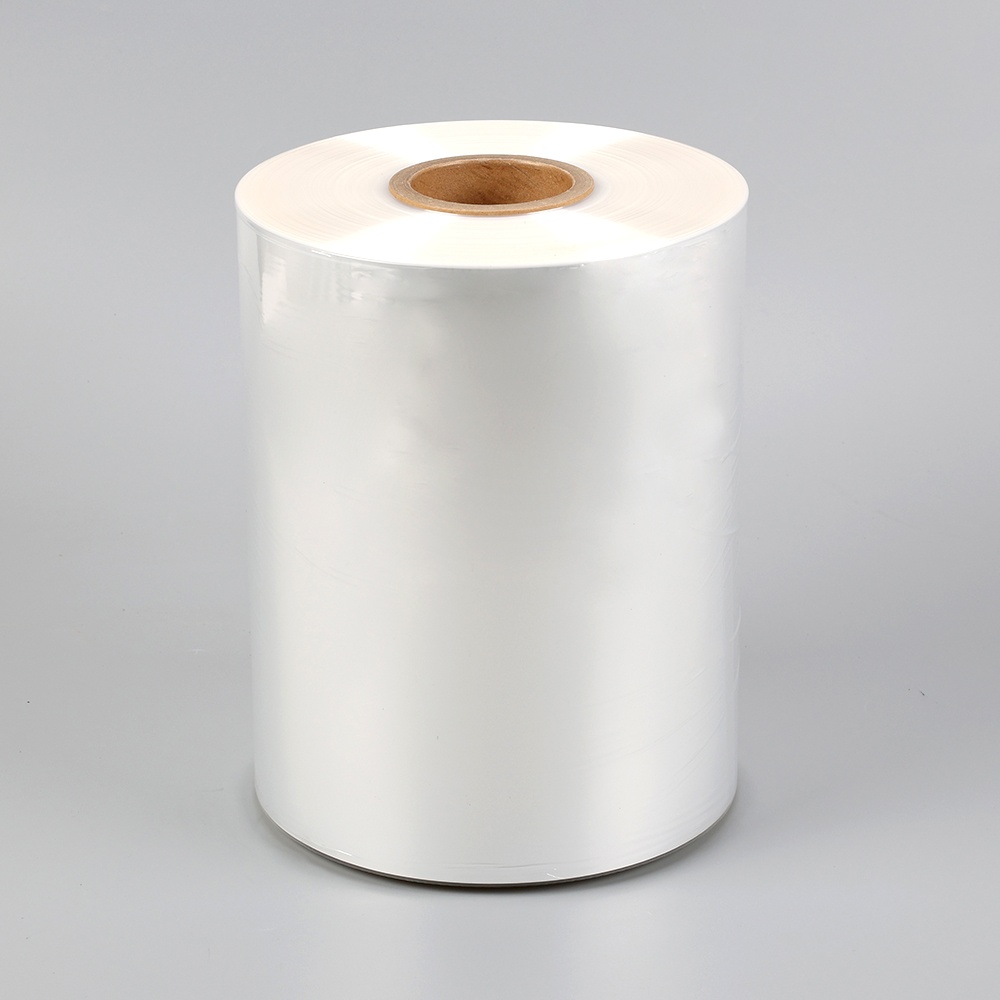
High-speed packaging environments demand materials that can keep pace with rapid mechanical cycles without compromising seal integrity or clarity. Polyolefin (POF) shrink film has emerged as the industry standard for these applications due to its unique multi-layered co-extrusion process. Unlike traditional PVC, high-performance POF is engineered to withstand the intense friction and heat of high-speed side sealers and continuous motion wrappers. Its ability to shrink quickly and uniformly ensures that products move through the heat tunnel at maximum velocity, preventing bottlenecks in the production line.
To operate effectively at speeds exceeding 100 packs per minute, POF film must possess specific physical properties. These parameters determine how the film interacts with the machinery and how it reacts to the rapid temperature shifts within the shrink tunnel. High-speed films are often cross-linked, a process that strengthens the molecular bonds to provide superior puncture resistance and a wider sealing temperature range.
| Property | High-Speed Requirement | Benefit |
| Coefficient of Friction (COF) | Low (typically < 0.25) | Prevents film dragging and jamming |
| Seal Strength | Instantaneous / High Tack | Maintains integrity during rapid transit |
| Shrink Force | Controlled High Force | Ensures tight "bullseye" or full enclosures |

Cross-linked polyolefin is specifically designed for high-speed equipment where the sealing wire or knife remains at a constant, high temperature. This irradiation process prevents the film from buildup on the sealing elements, which is a common cause of downtime in high-volume facilities. By using cross-linked POF, operators can achieve cleaner seals and reduce the frequency of maintenance cycles for the sealing bar.
In high-speed operations, the airflow and temperature inside the shrink tunnel must be precisely calibrated. High-speed POF films are engineered to have a "memory" that triggers quick retraction. This allows for shorter tunnel residence times, which is essential for preserving the quality of temperature-sensitive products like chocolates or pharmaceuticals while maintaining a throughput of thousands of units per hour.
Achieving the best results with high-speed polyolefin shrink film requires more than just the right material; it involves careful synchronization between the film and the machine settings. Even the highest quality film can fail if the tension or perforation settings are incorrect. To ensure peak performance, consider the following factors:
Modern high-speed POF films are increasingly focused on gauge reduction or "down-gauging." By using a thinner but stronger film, manufacturers can reduce their plastic consumption by up to 20% without sacrificing performance. Thinner films also require less heat to shrink, which leads to lower energy consumption at the tunnel level. This combination of speed and material efficiency provides a dual benefit of lower operational costs and a reduced environmental footprint, making it a preferred choice for large-scale distribution centers.
POF Film Explained: Performance Advantages, Application Scenarios, and Buying Considerations for Modern Packaging
Why is Shading Cross-Linked Shrink Film Revolutionizing the Protection of Light-Sensitive Products?
Mobile site

alibaba
Copyright © 2023 Zhejiang Zhongcheng Packing Material Co., Ltd. All Rights Reserved. Privacy Polyolefin Shrink Film Manufacturers